
Forest Nova Scotia AGM 2026: Building Knowledge, Connection, and Momentum
To help capture the event, we have a recap blog that summarizes the key moments, speakers and conversations.
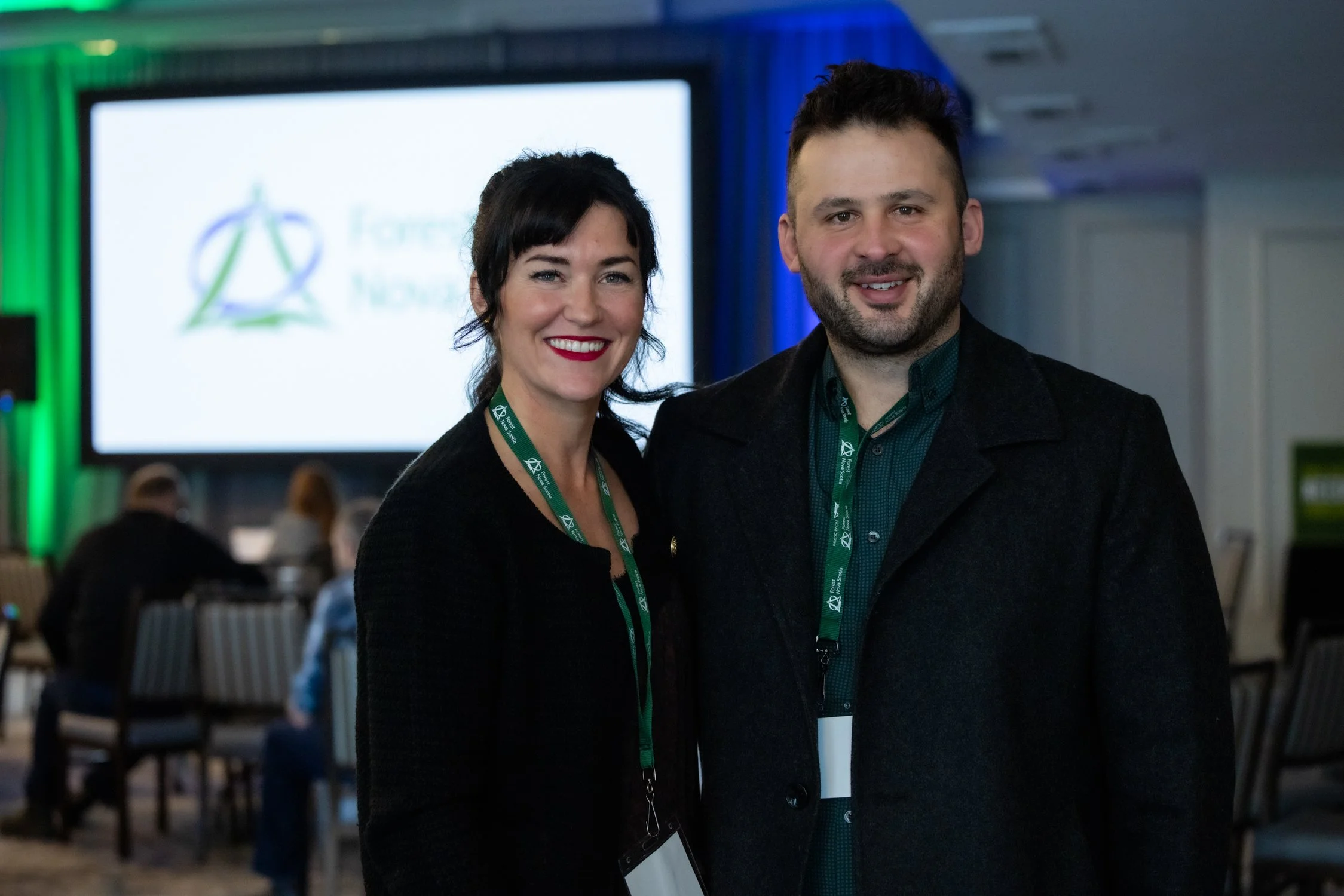
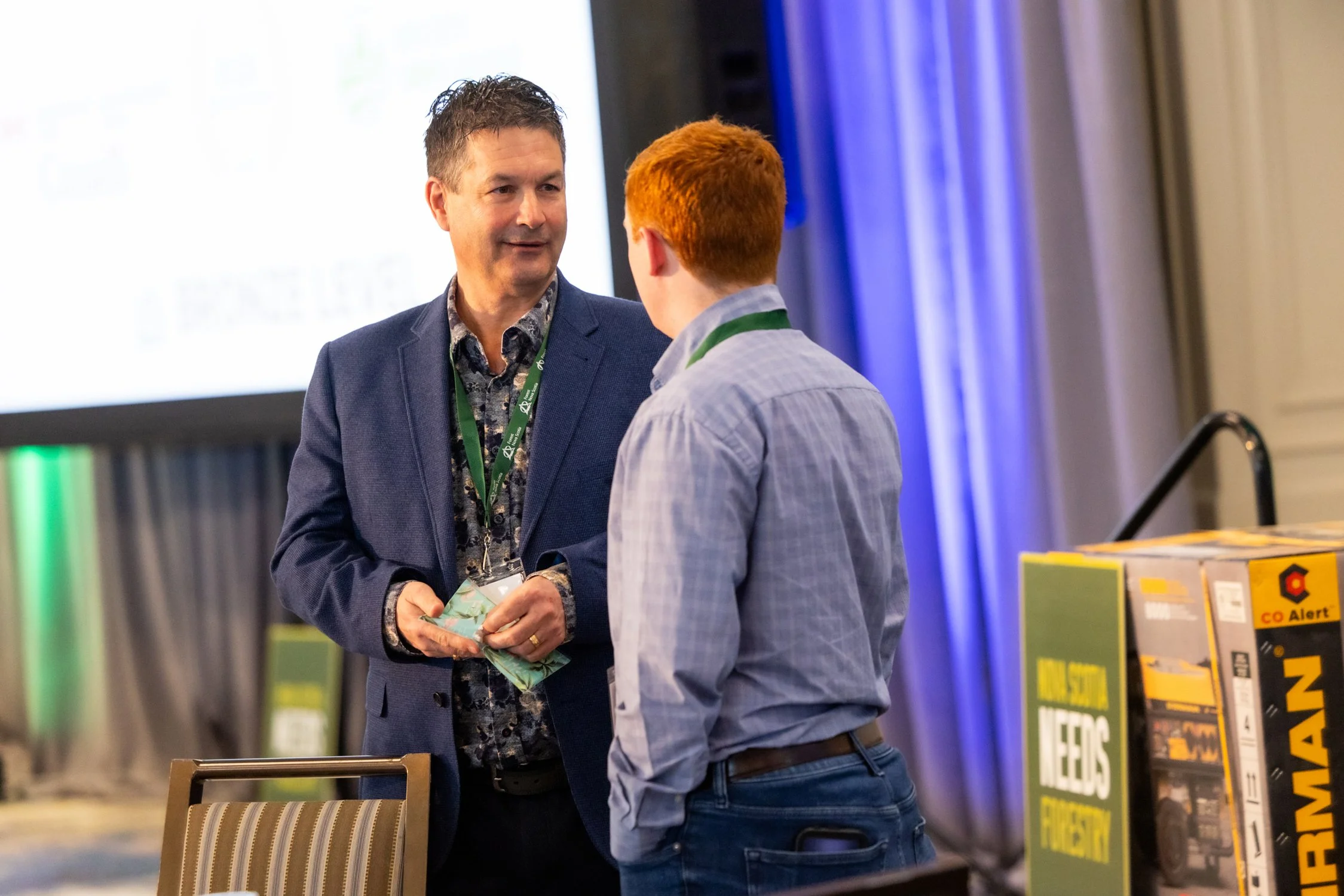
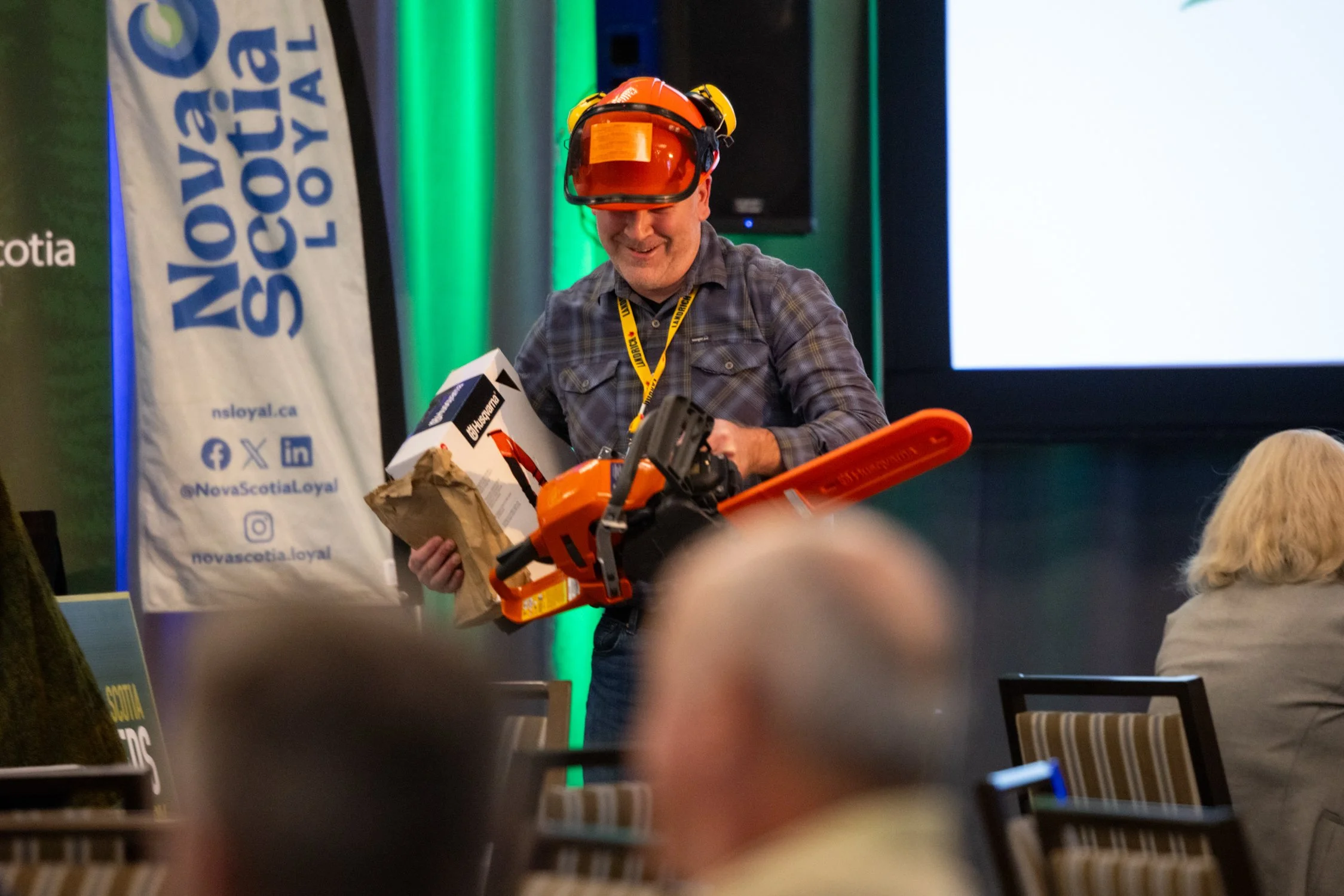
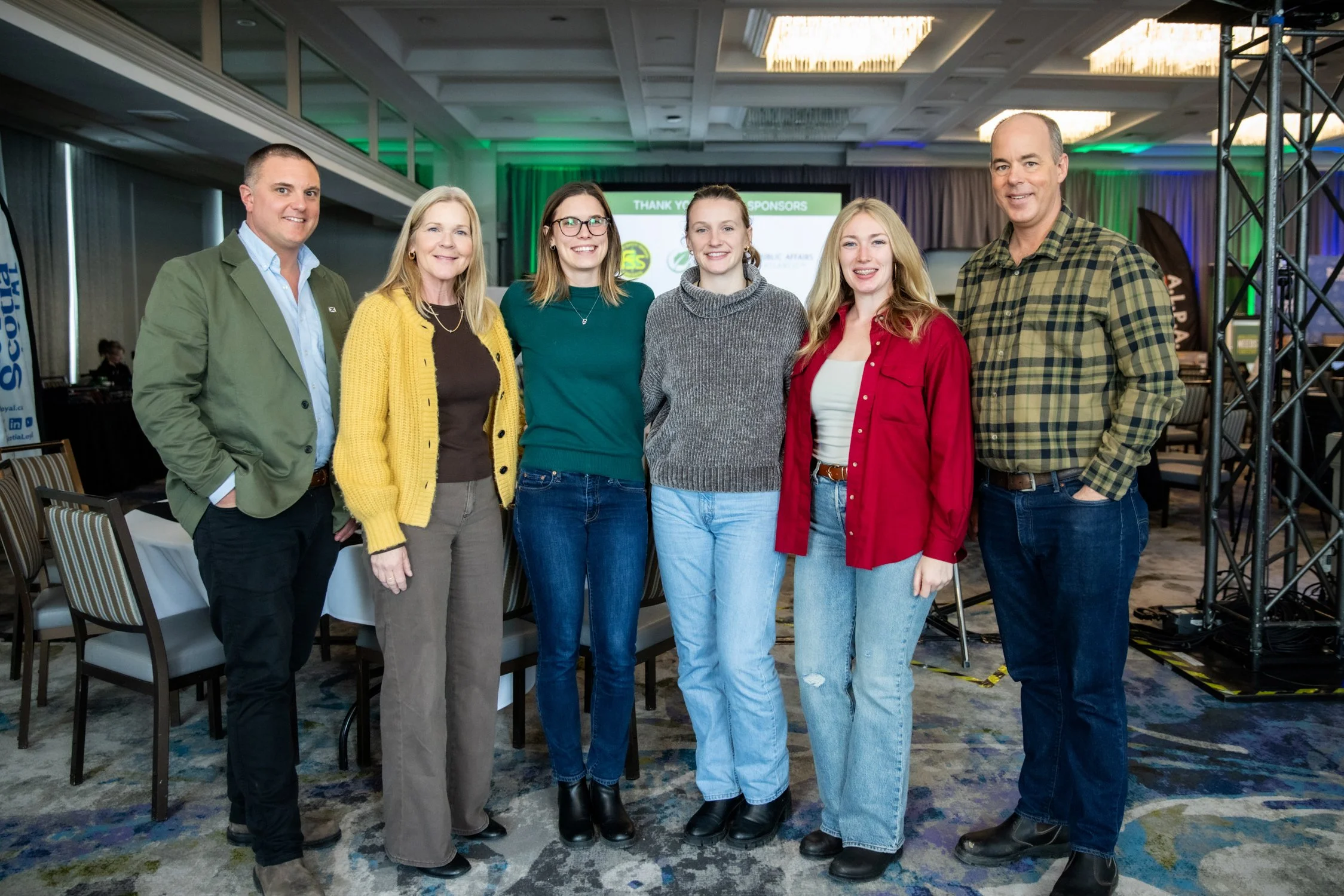
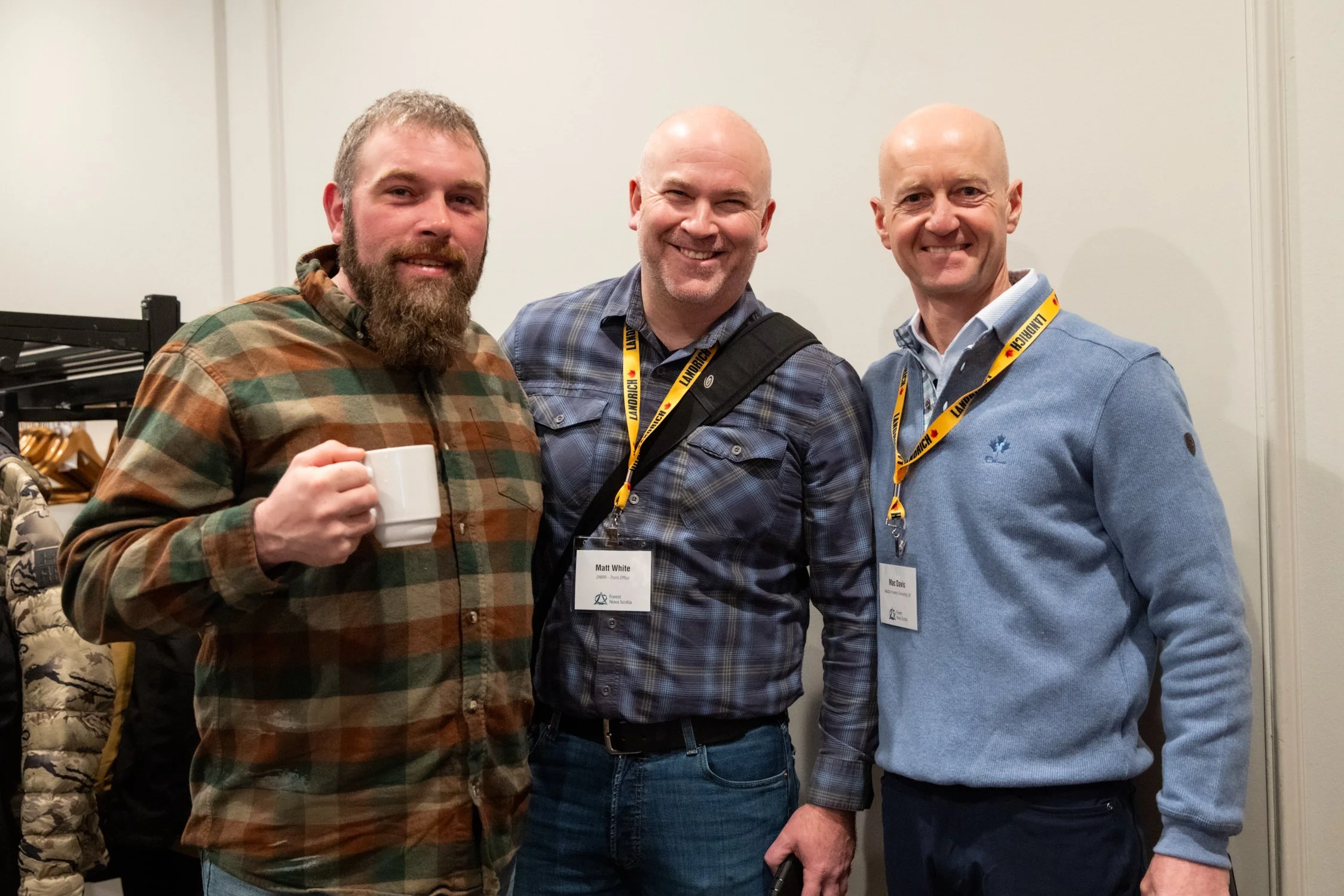
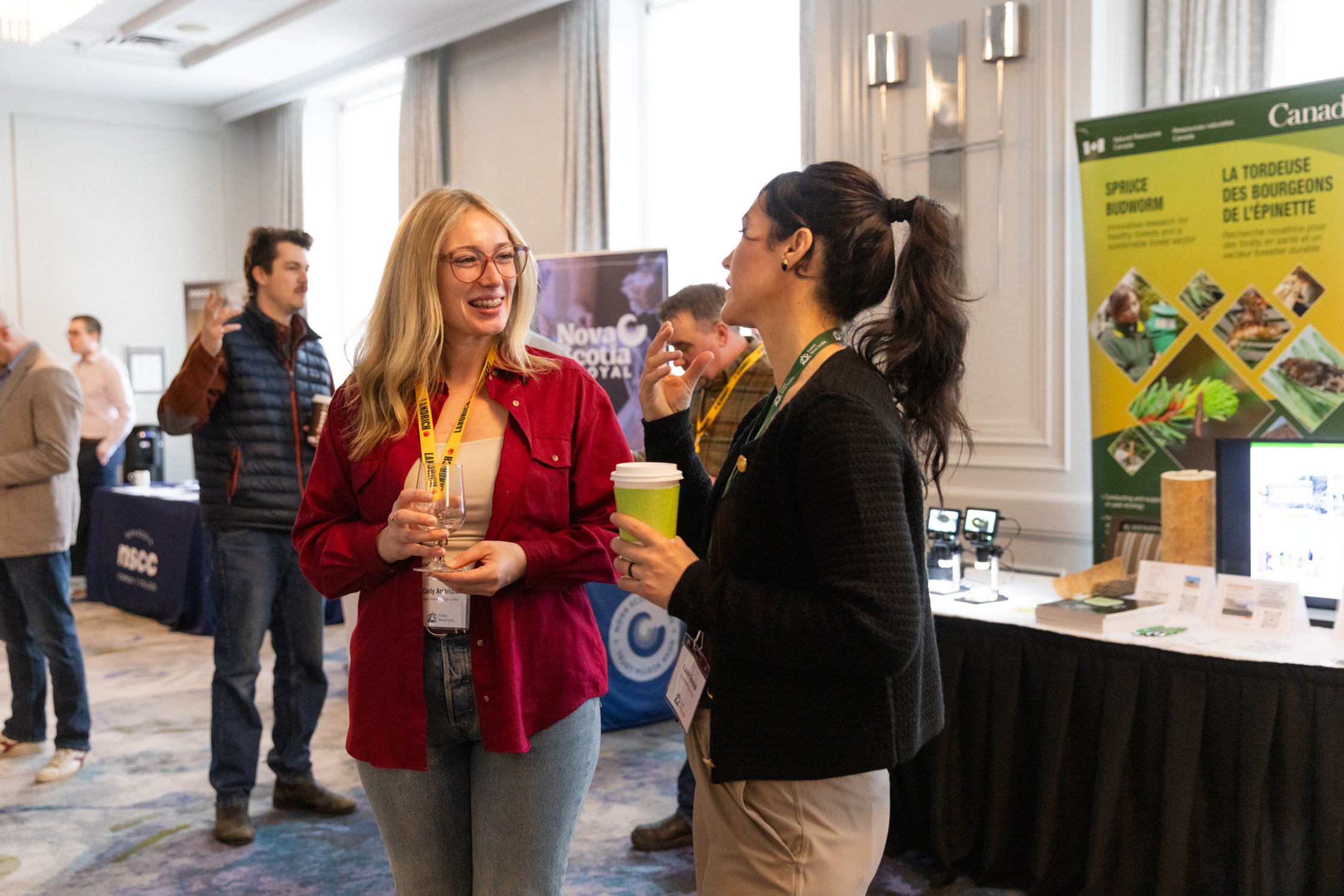
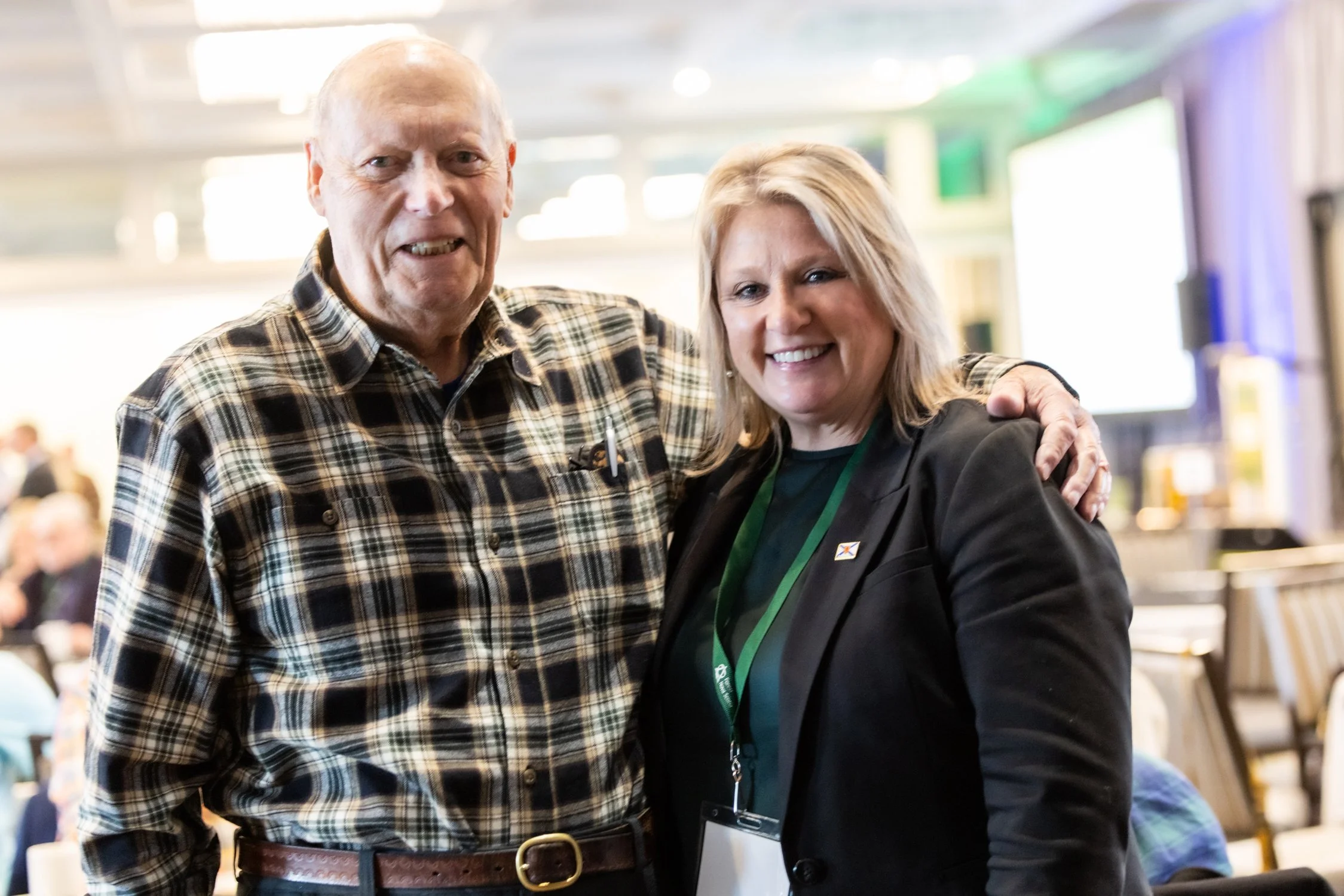
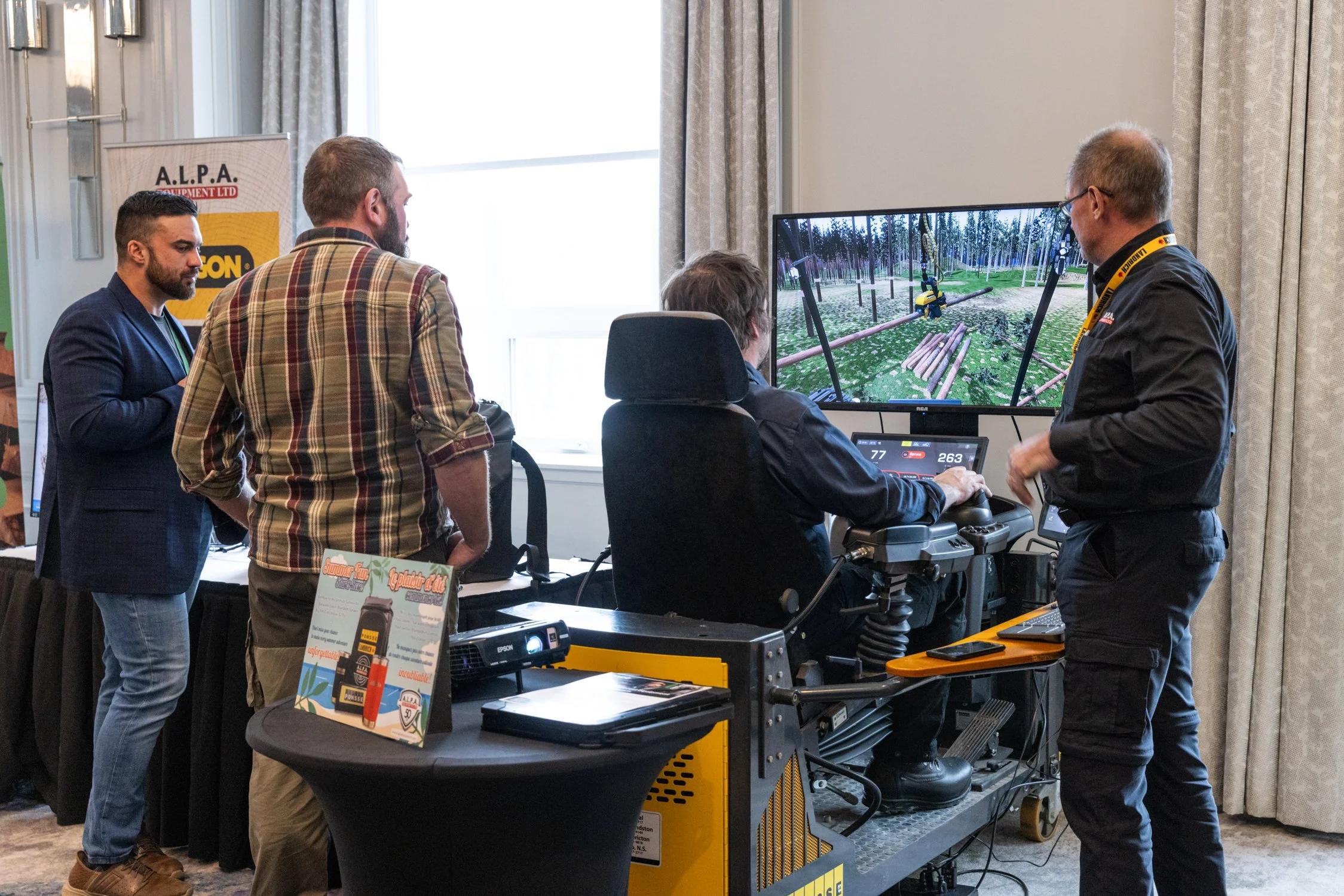
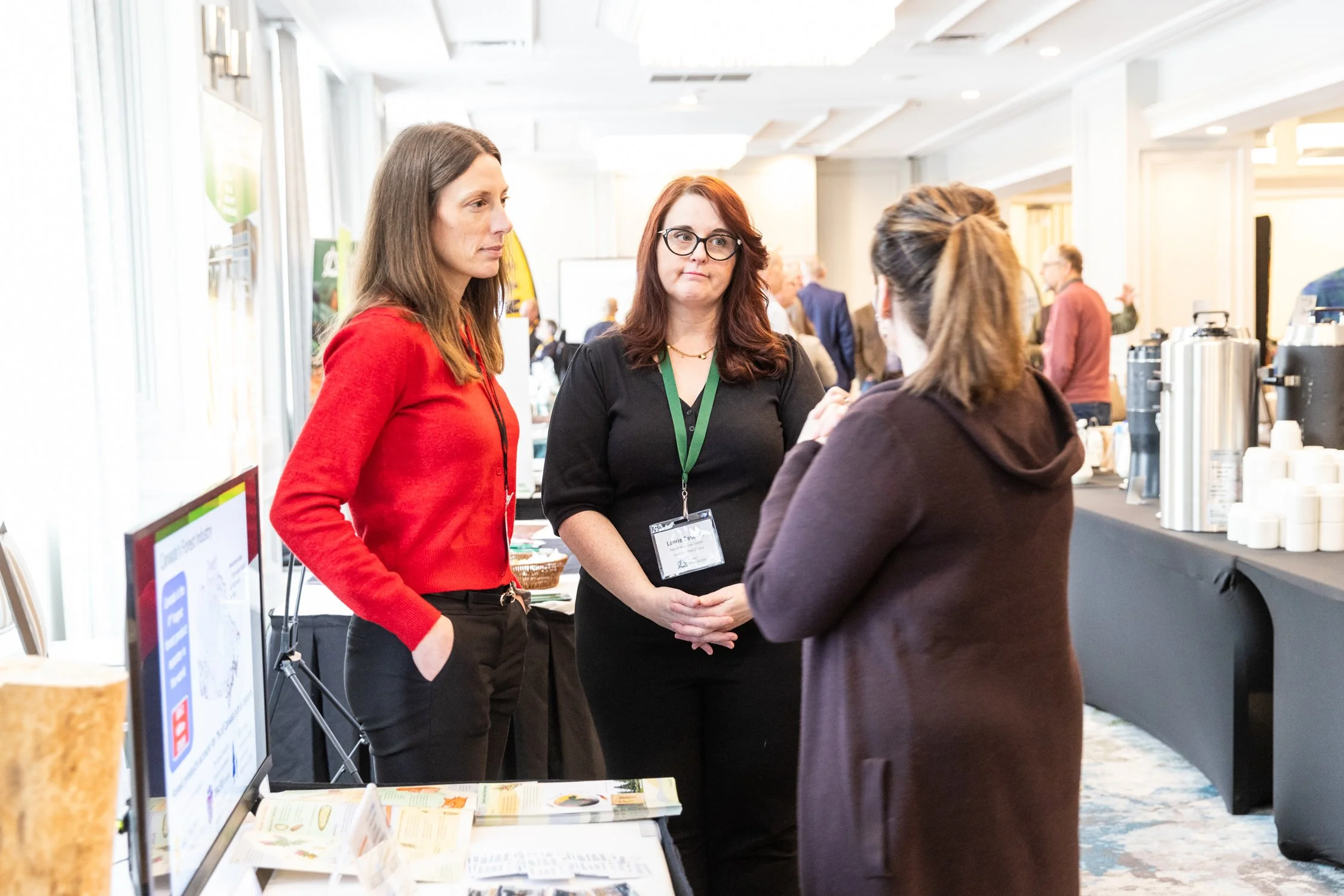
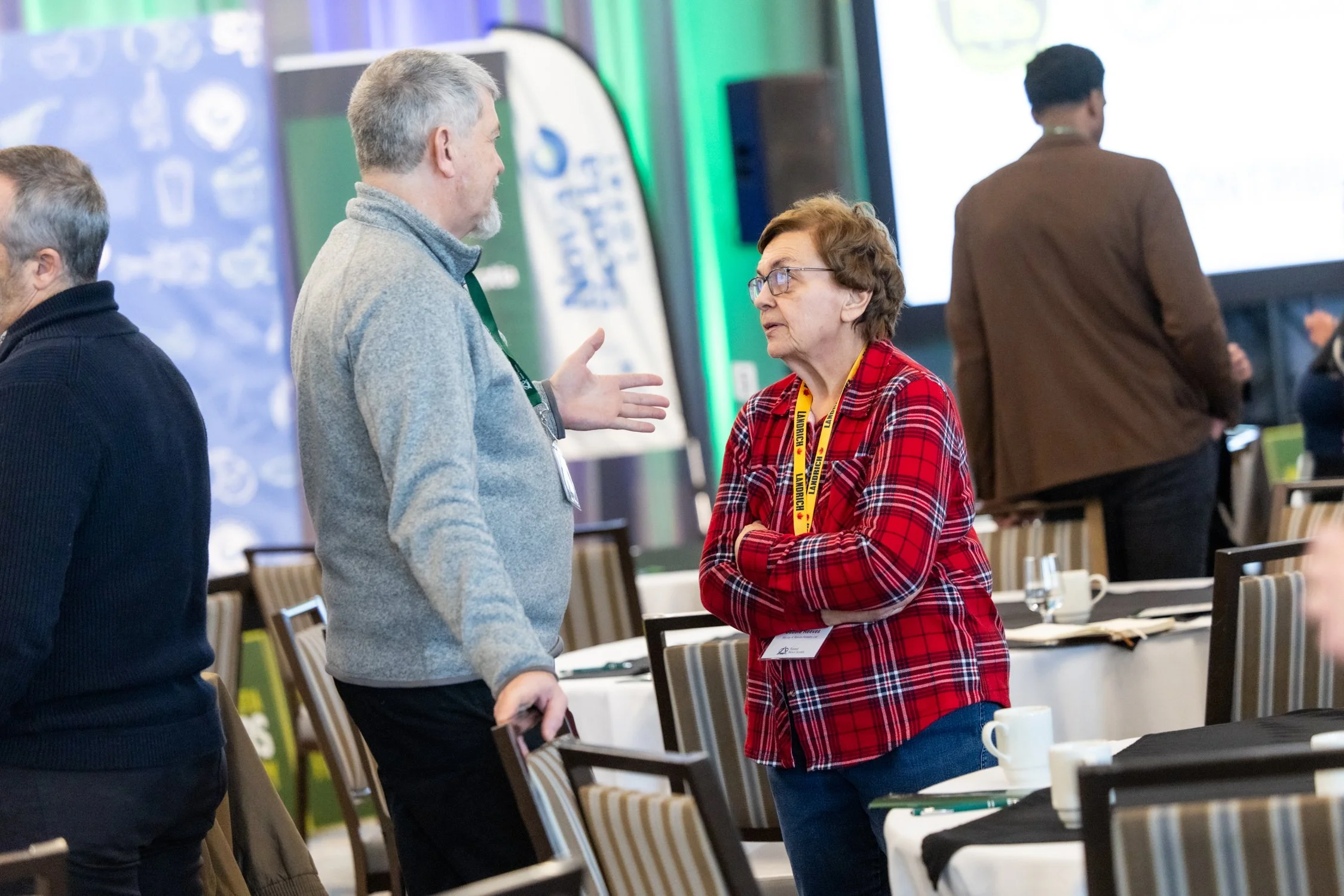
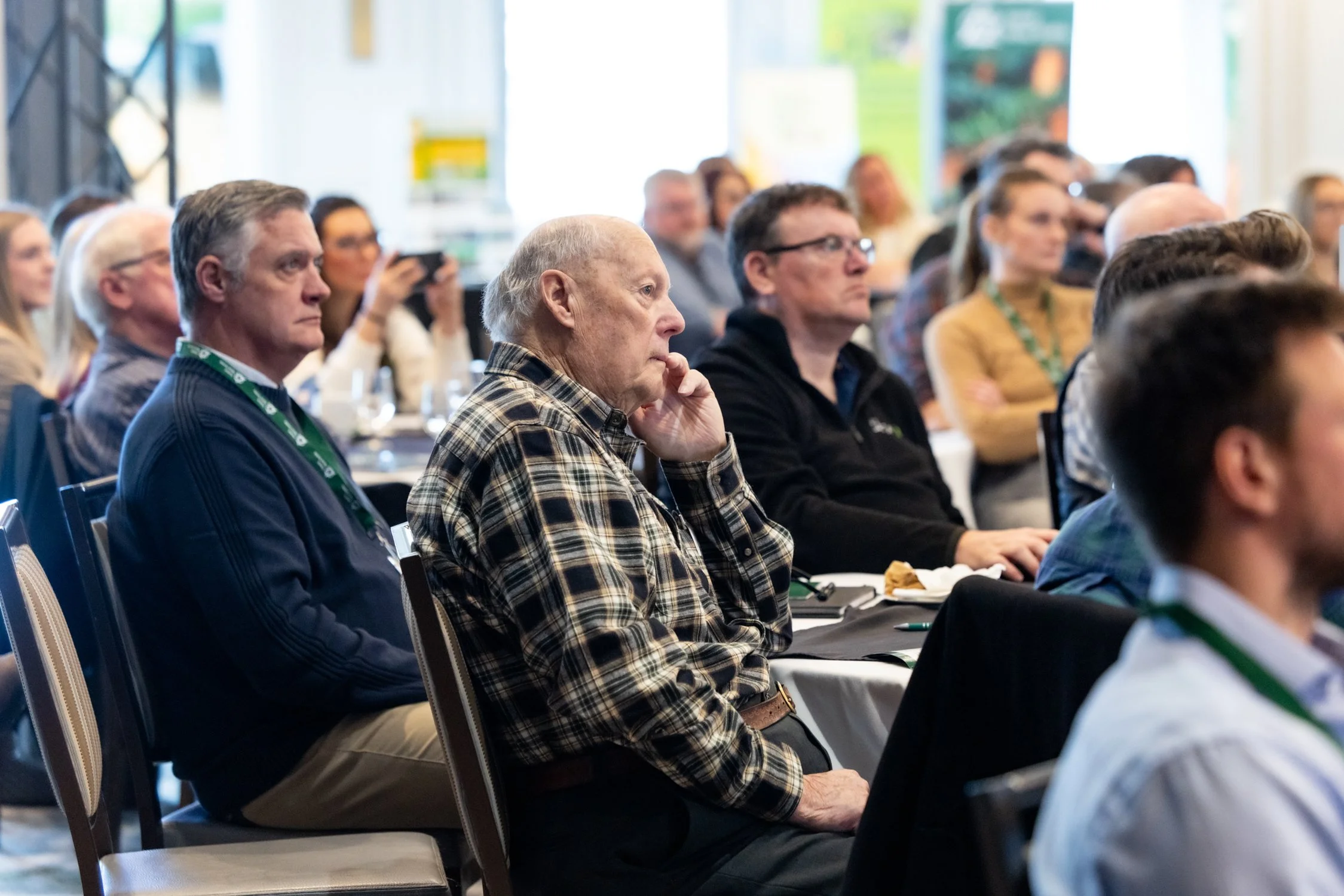
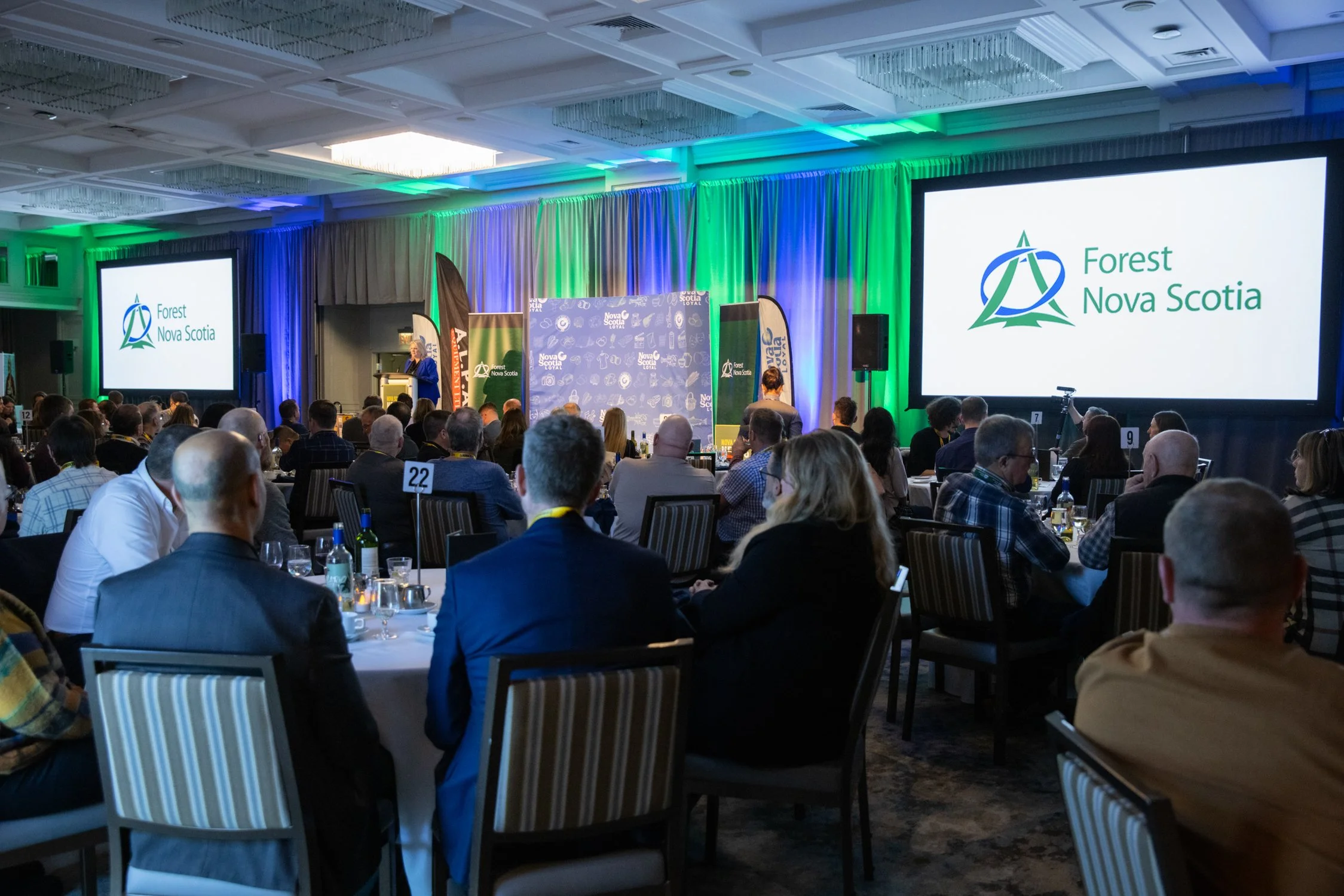
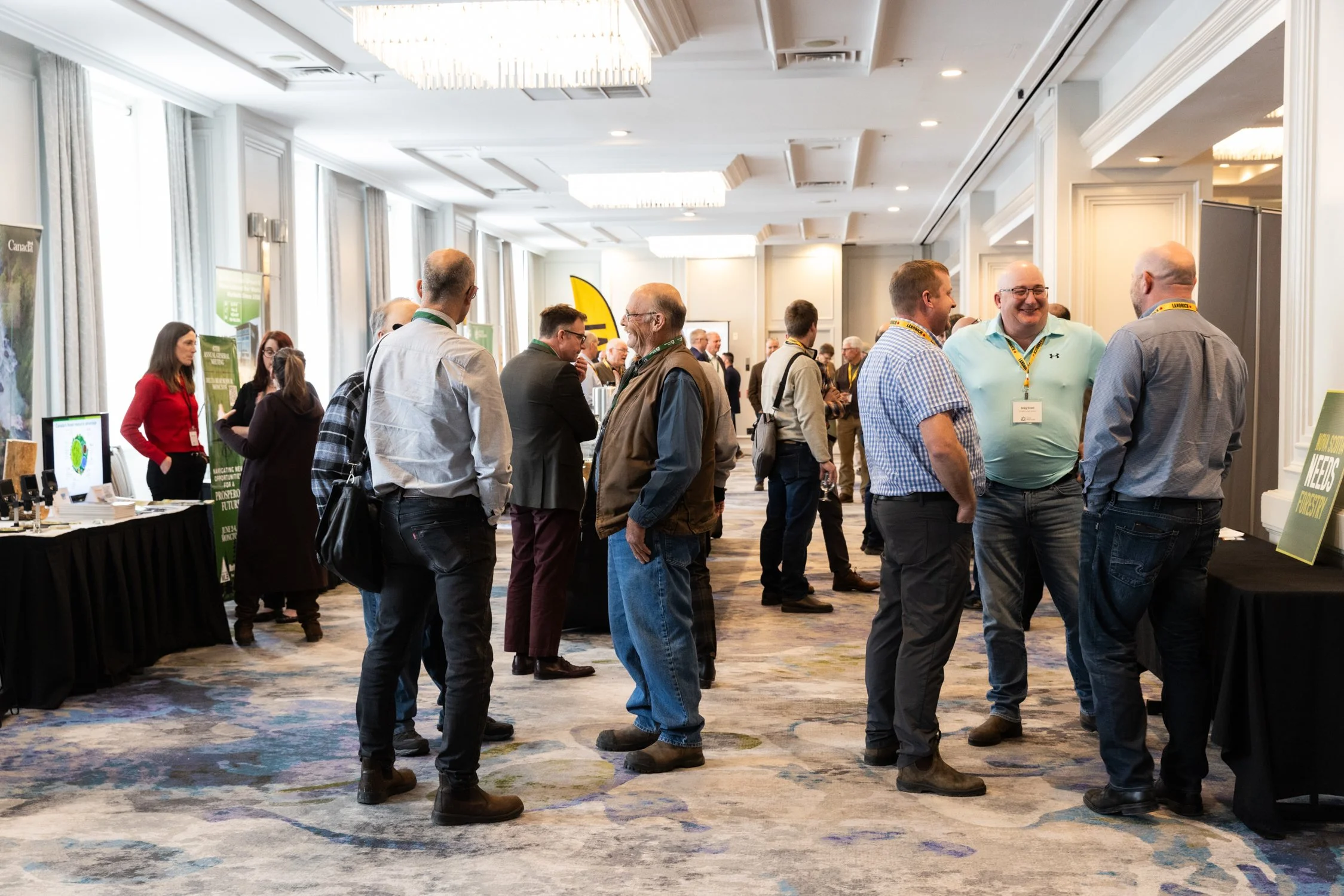
The Forest Nova Scotia Annual General Meeting took place on February 3 and 4, bringing together more than 200 members, guests, speakers, and elected officials, ranging in age from nine months to 91 years. The breadth of participation reflected the strength, diversity, and intergenerational nature of our forestry community.
Each year, the AGM seeks to cover a wide range of topics, from new scientific developments in wood products, to labour force development, to advancements in fire risk reduction, while still allowing ample time to address the core functions and challenges facing the forestry sector. This year, that goal was more than exceeded, with programming that balanced innovation, policy, and current concerns such as spruce budworm early intervention strategy.
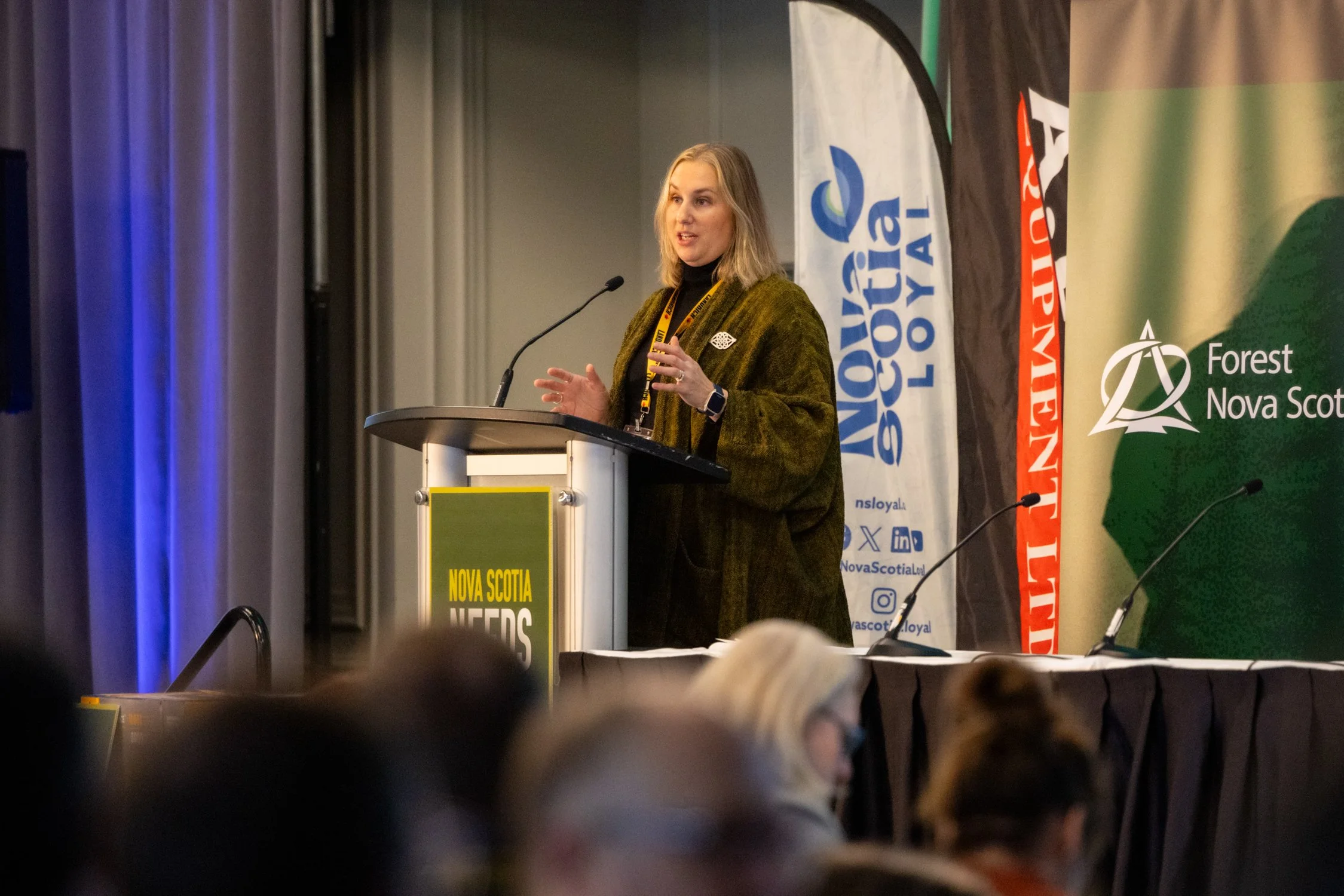
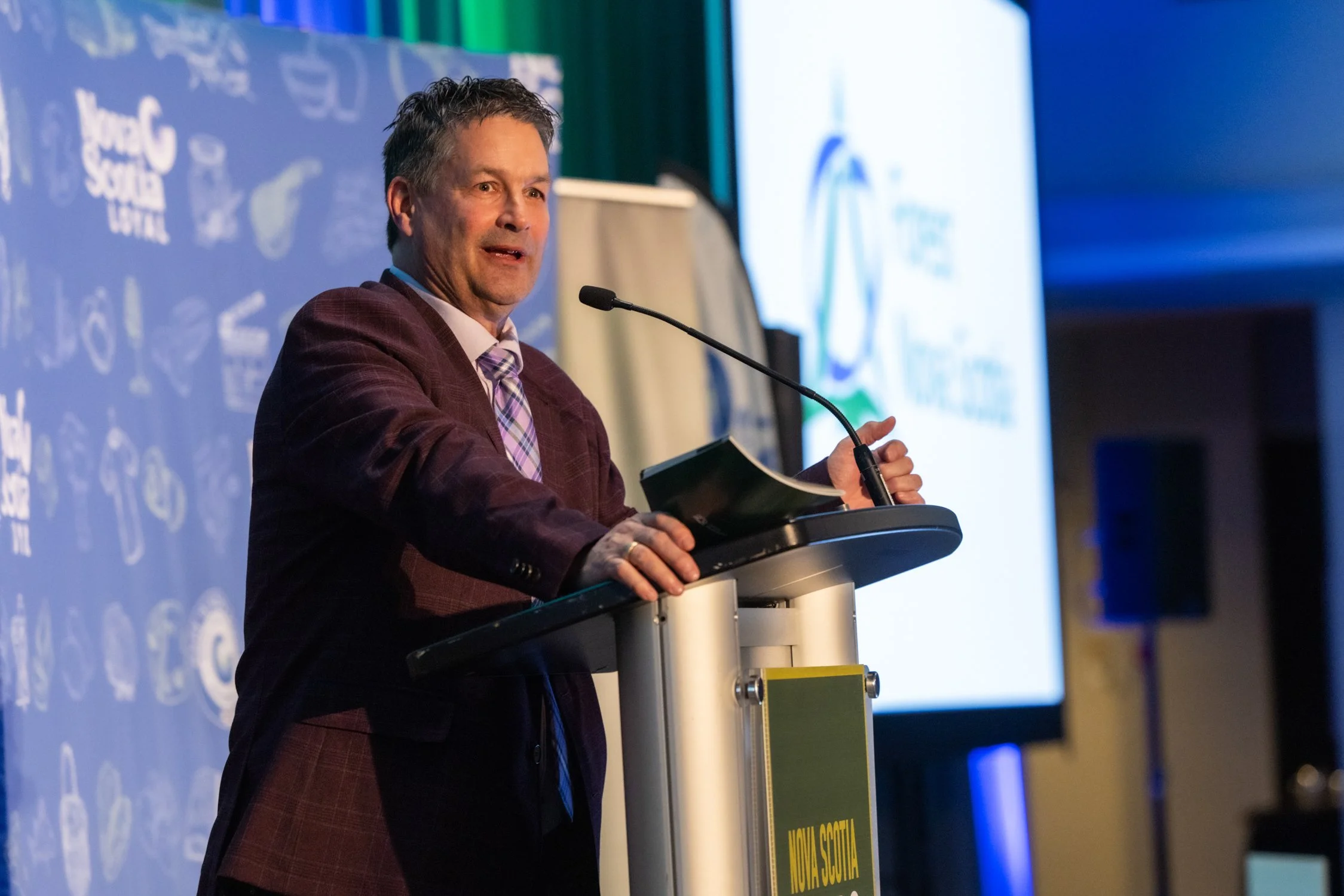
The event took place during a period of notable sector news, including the transition of stewardship of former Northern Pulp timberlands to the Bragg Group, an outcome many viewed positively for its potential to support continuity, local stewardship, and confidence in the sector’s future. The Honourable Kim Masland opened the AGM with remarks on this development, emphasizing the importance of keeping timberlands in Nova Scotian hands and reinforcing government support for a strong, resilient forestry sector. Minister Masland also addressed the impact of recent wildfires, noting that Nova Scotia’s forests, rural communities, and province are stronger because of the work of those in the industry, and highlighting the adaptability shown by forestry workers who shifted to nighttime operations during the most recent wildfire season. She affirmed that the government sees the sector, supports it, and believes in its future.
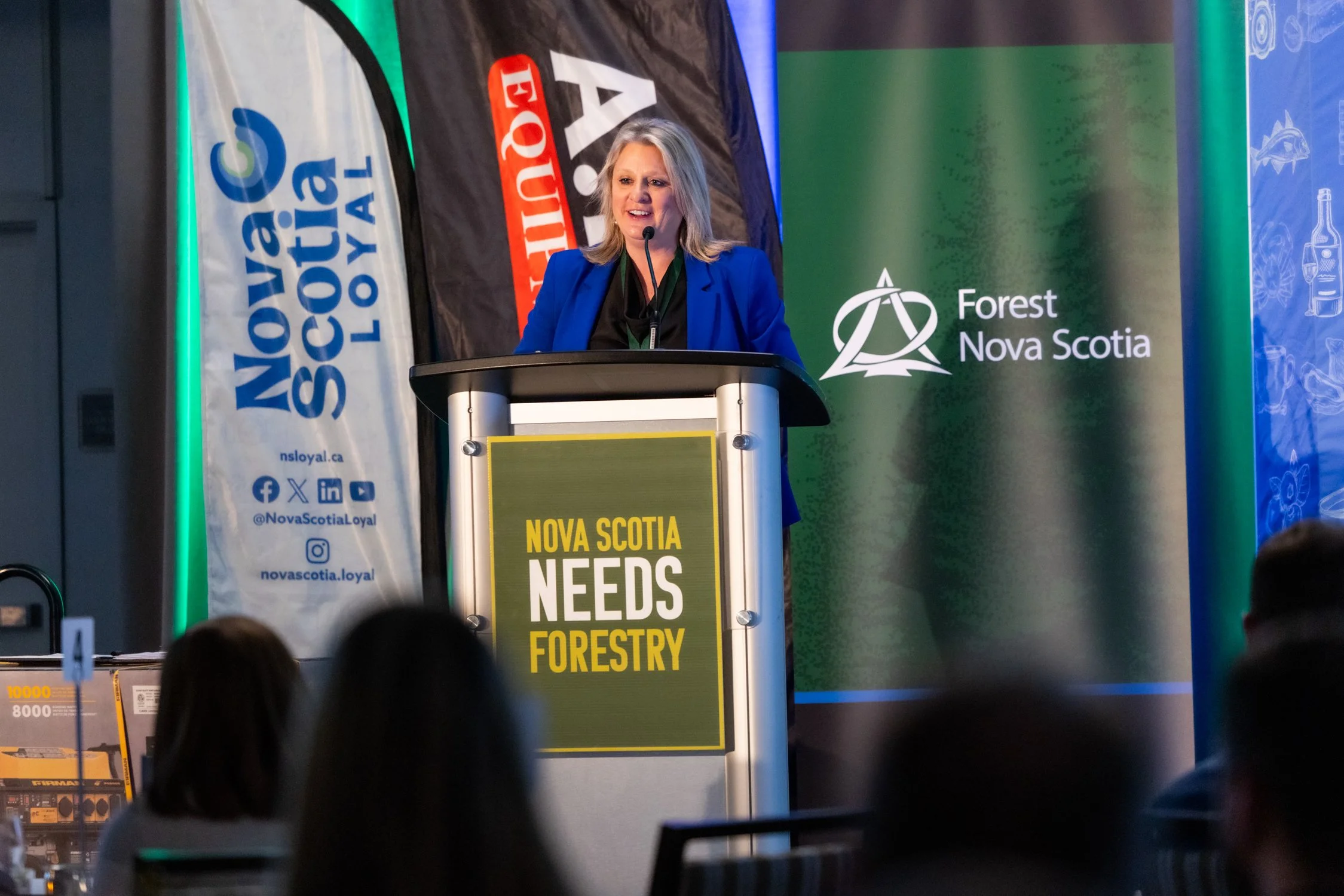
Honourable Kim Masland
Throughout the two days, speakers were candid and transparent about the challenges facing their respective sectors, as well as the opportunities ahead. Many emphasized the importance of connection and collaboration, and we were pleased to hear that numerous productive conversations and meetings took place, laying the groundwork for future partnerships and innovation.
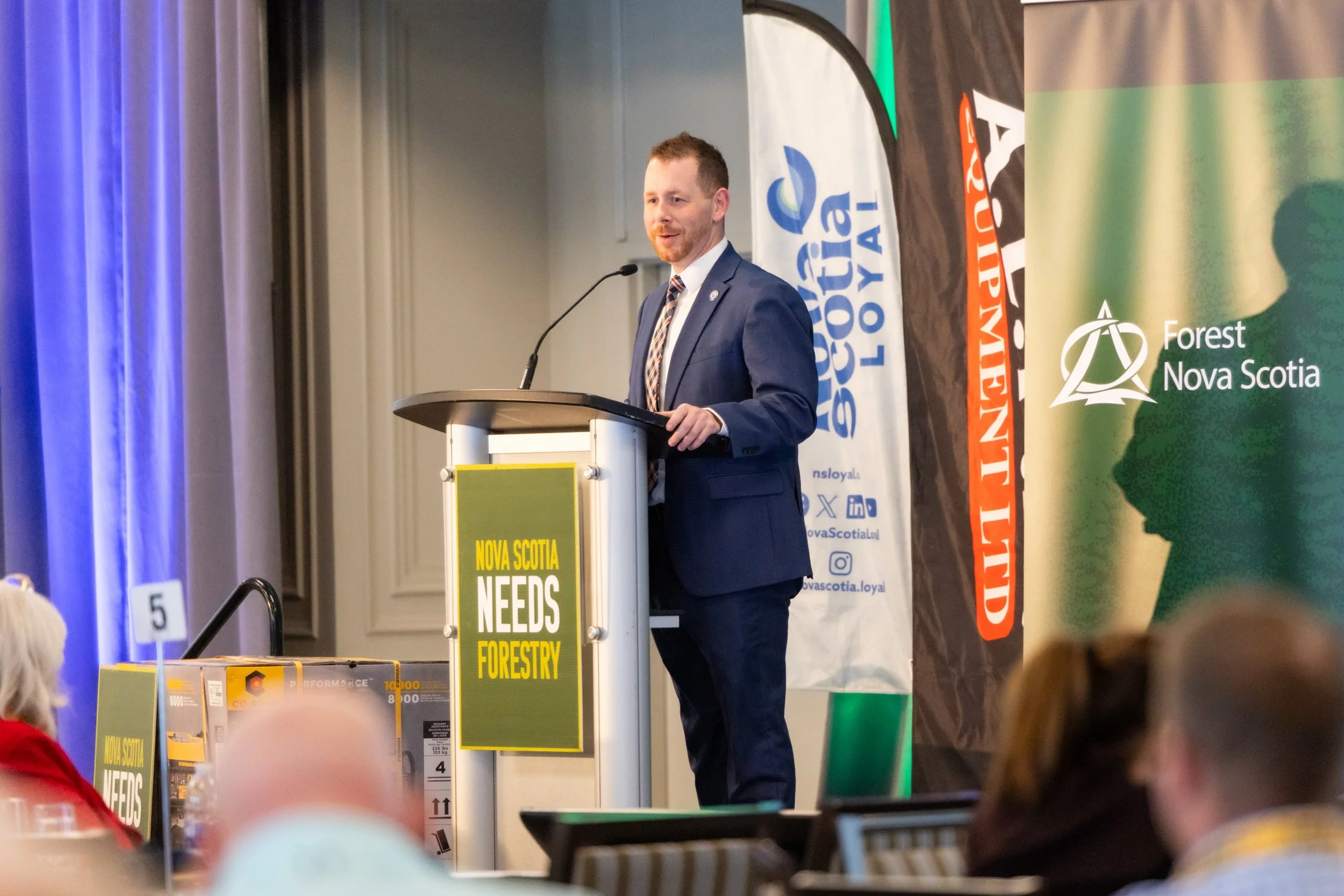
On day one, trade lawyer Thomas Beline delivered an informative presentation on the state of Canada–U.S. trade discussions. He offered valuable insight into where key players currently stand and shared projections on potential outcomes in the months ahead, helping attendees better understand this complex and sensitive issue.
Jason Somers spoke about Groupe Savoie’s efforts in finding value in every part of the tree, highlighting innovation in by-product creation and the need to keep the supply chain strong and responsive. He observed that when demand declines, the effects are felt across the broader industry. Andrew Parsons of Nova Sustainable Fuels provided an update on the proposed sustainable aviation fuel facility in Goldboro, outlining project timelines and the work underway to advance the development. He noted that while a small core team is leading the initiative, a range of expert consultants are engaged to ensure regulatory compliance and address environmental assessment requirements. Looking ahead, he emphasized that securing clear policy mandates to strengthen the market for sustainable aviation fuel will be critical to supporting final investment decisions.
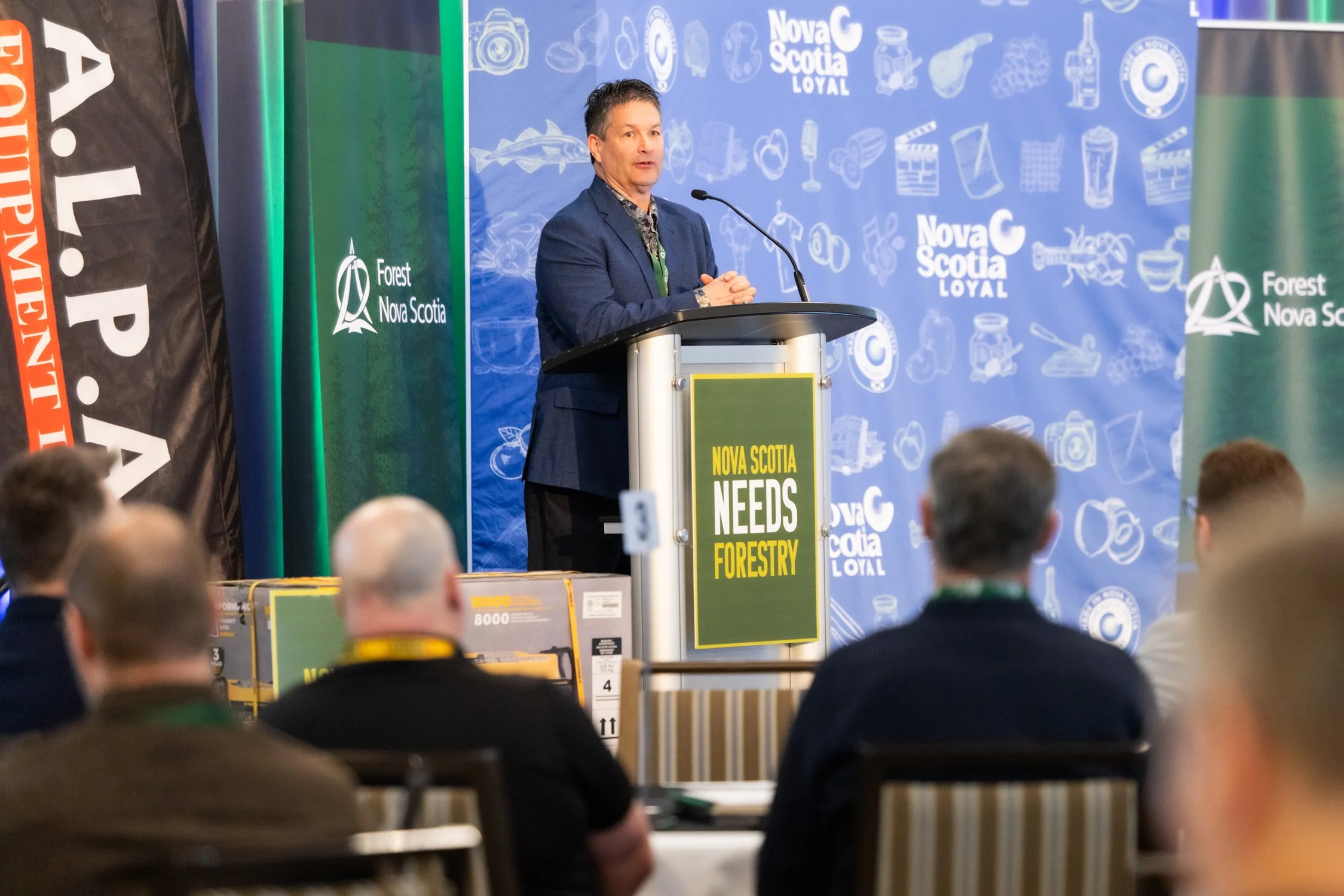
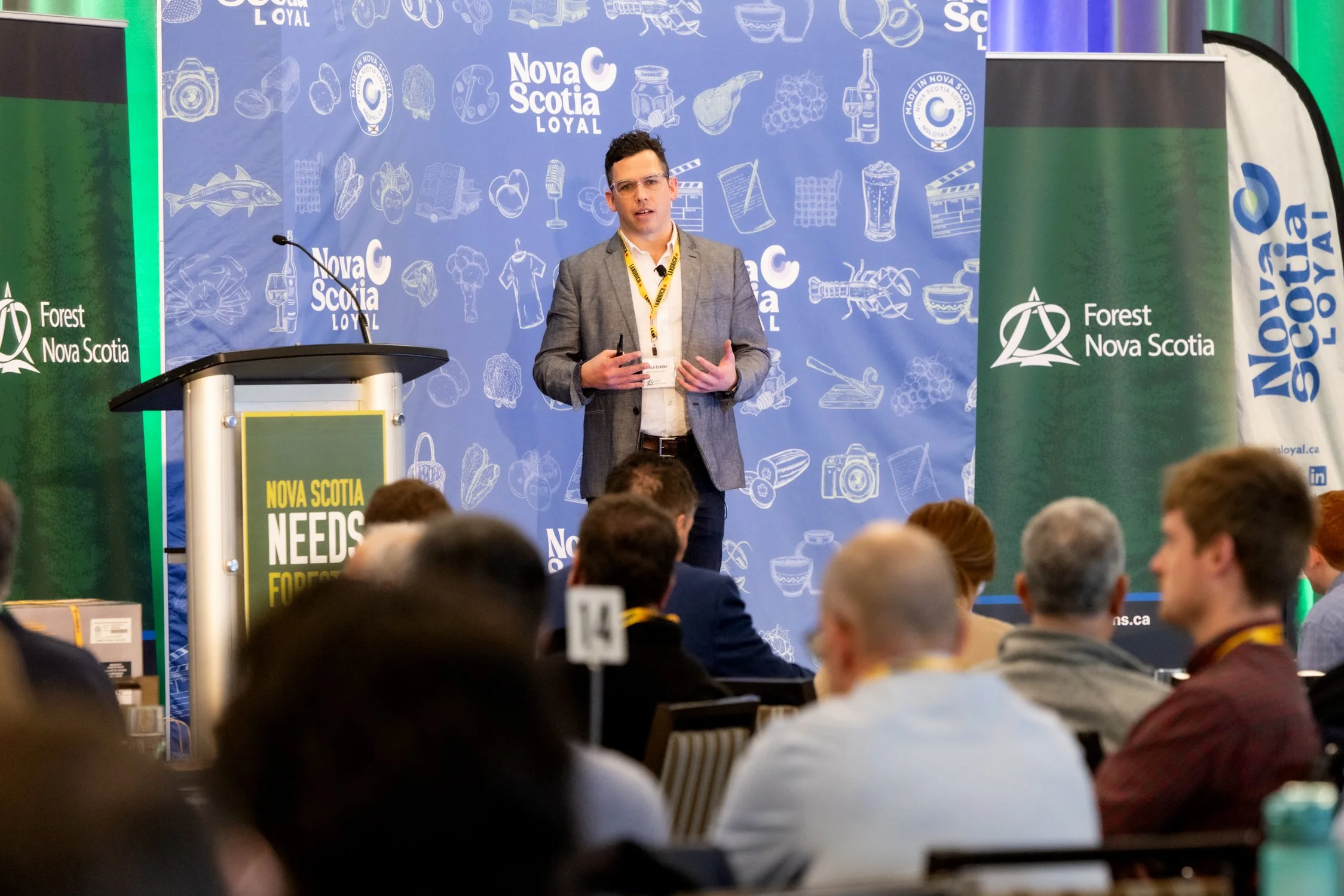
Patrick Crabbe of Mass Timber Company energized the room with a frank and thoughtful discussion on what must change in Nova Scotia to support the growth of the offsite construction sector and improve access to housing. Derek Nighbor of FPAC provided important perspectives on how federal regulations have struggled to keep pace with the size, scope, and evolving needs of the forestry industry, a sentiment Andrew DeVries of Canada Forest Owners later echoed on day two, adding that the sector can still be viewed as ‘niche’ by many decision-makers. Understanding these realities is essential. When we know where we stand, we are better equipped to advocate and act.
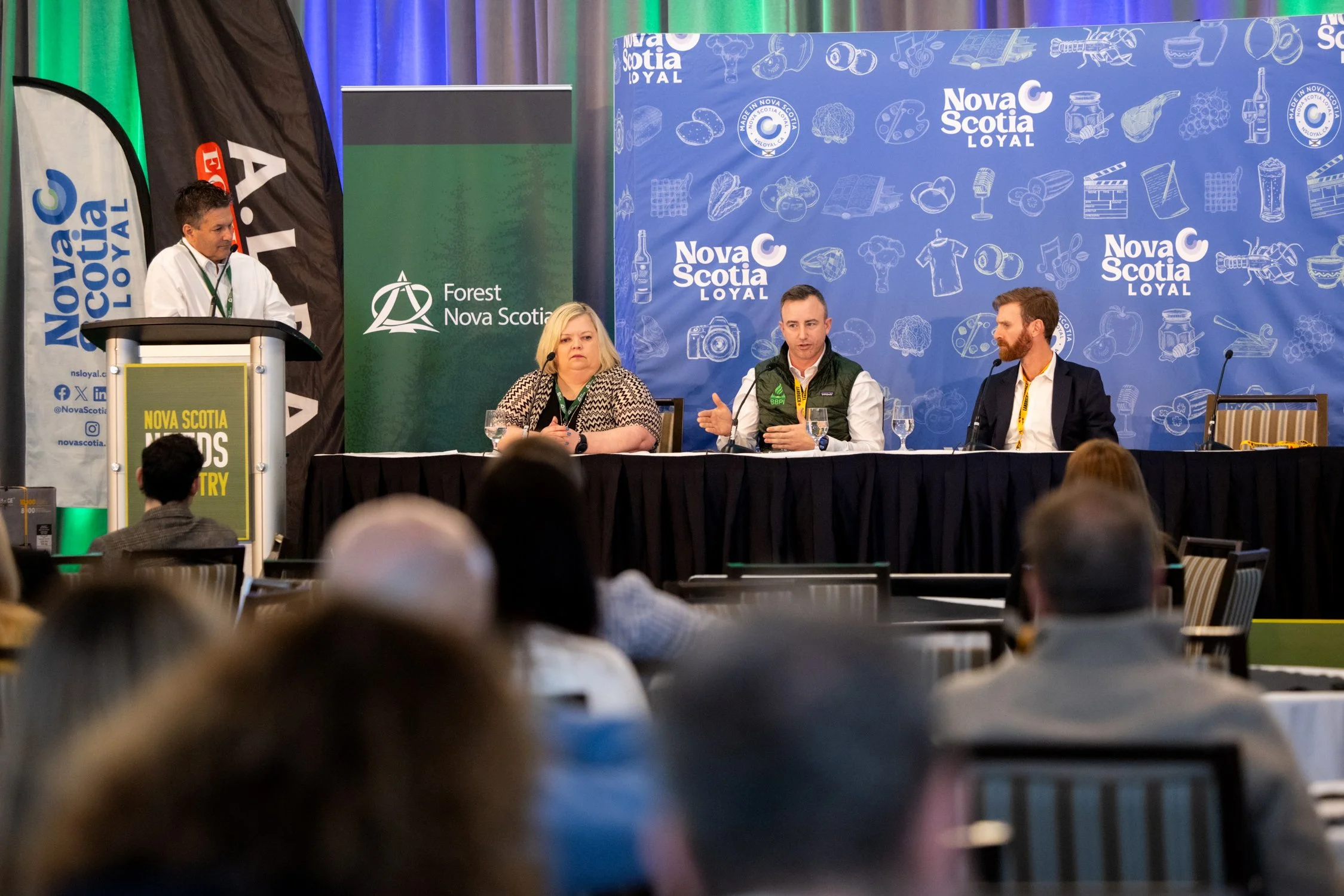
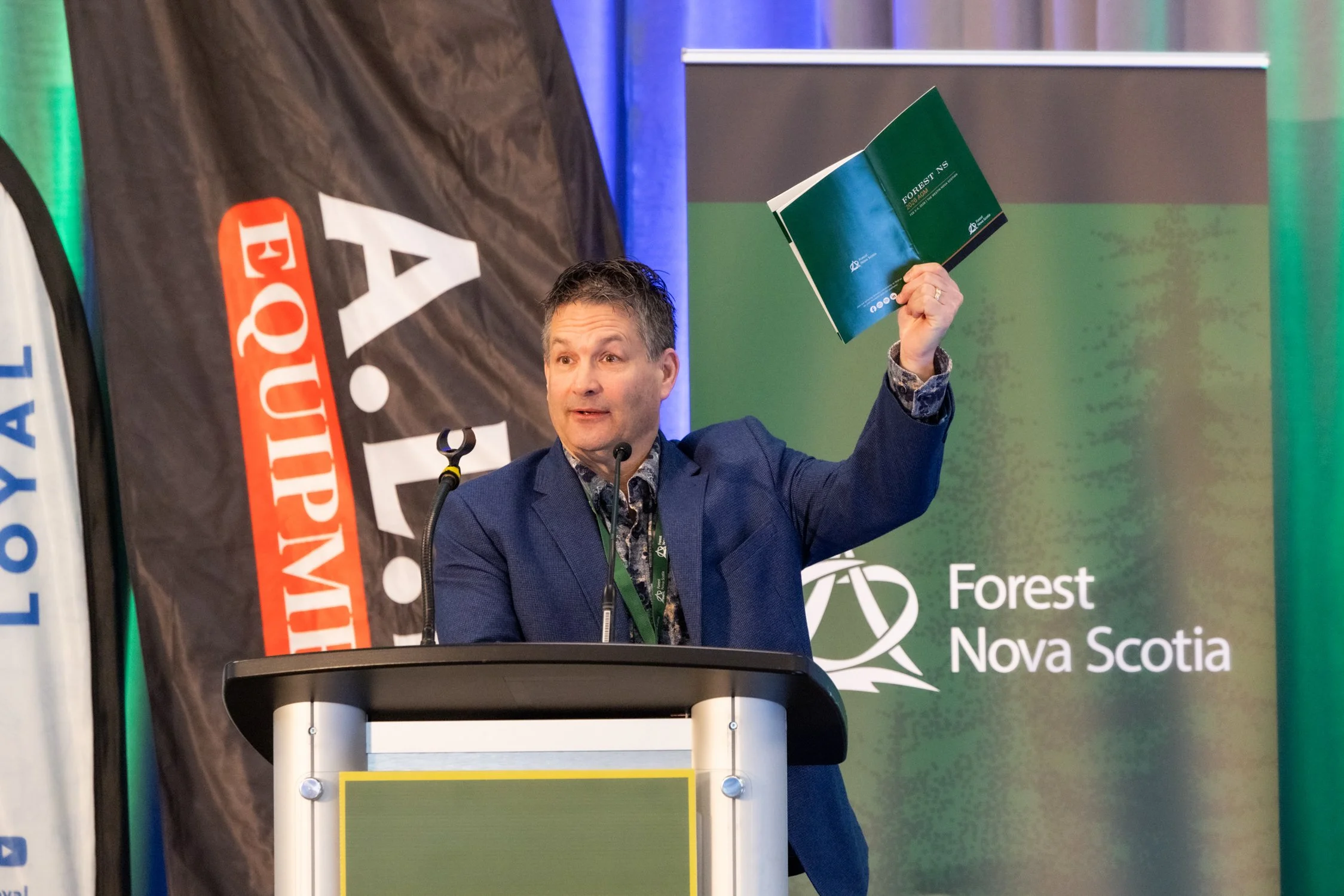
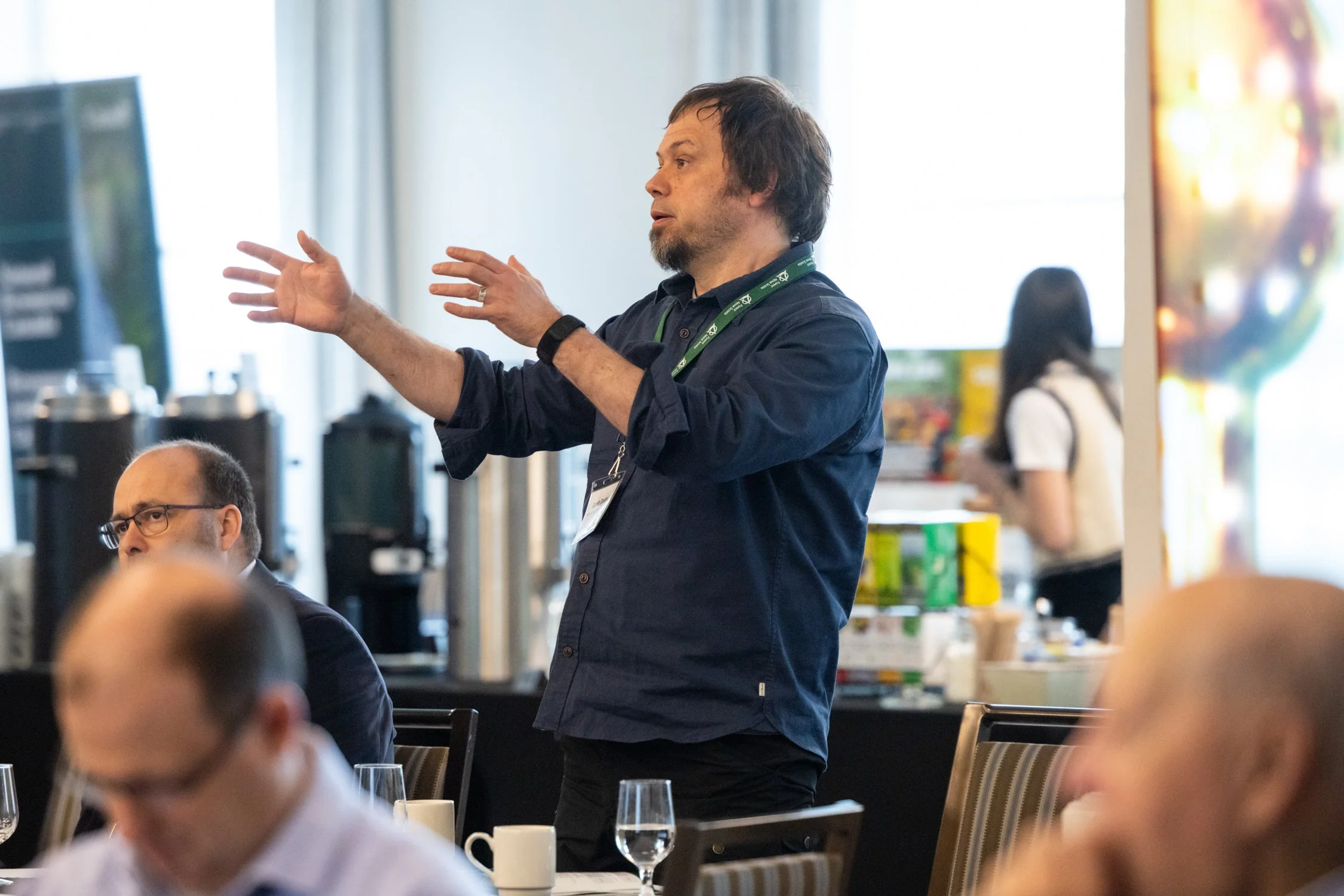
The quality of the presentations was matched by the depth and thoughtfulness of the questions posed by attendees. Many sessions truly came alive during the discussion periods, guided by the adept moderation of Executive Director Todd Burgess, highlighting the remarkable expertise within the Forest Nova Scotia membership and reinforcing the value of coming together to learn from one another.
Forestry is a traditional industry, built on generations of knowledge, careful stewardship, and long-standing practices. At the same time, the willingness shown at this year’s AGM to embrace innovation and approach new opportunities with openness and enthusiasm was both inspiring and encouraging.
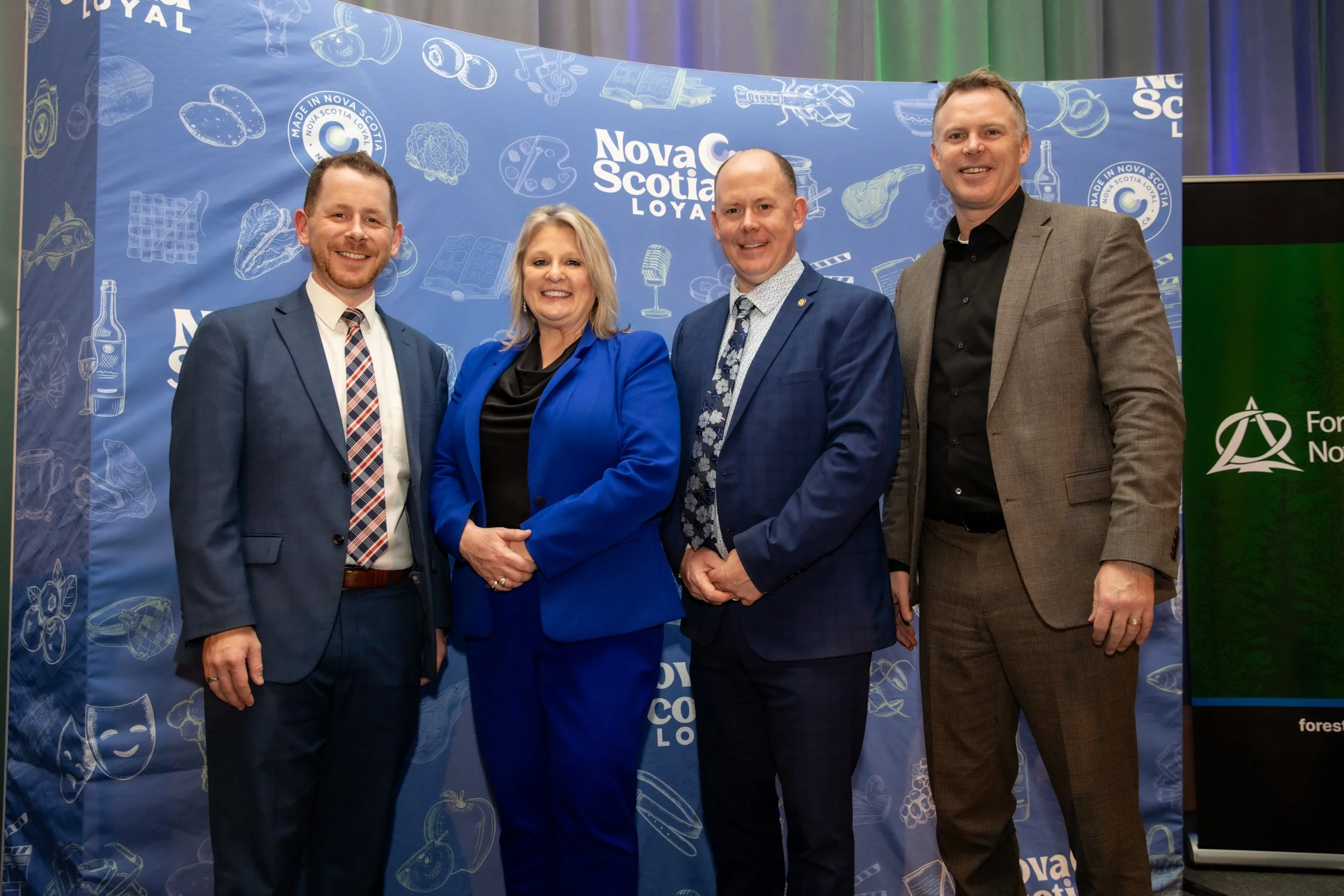
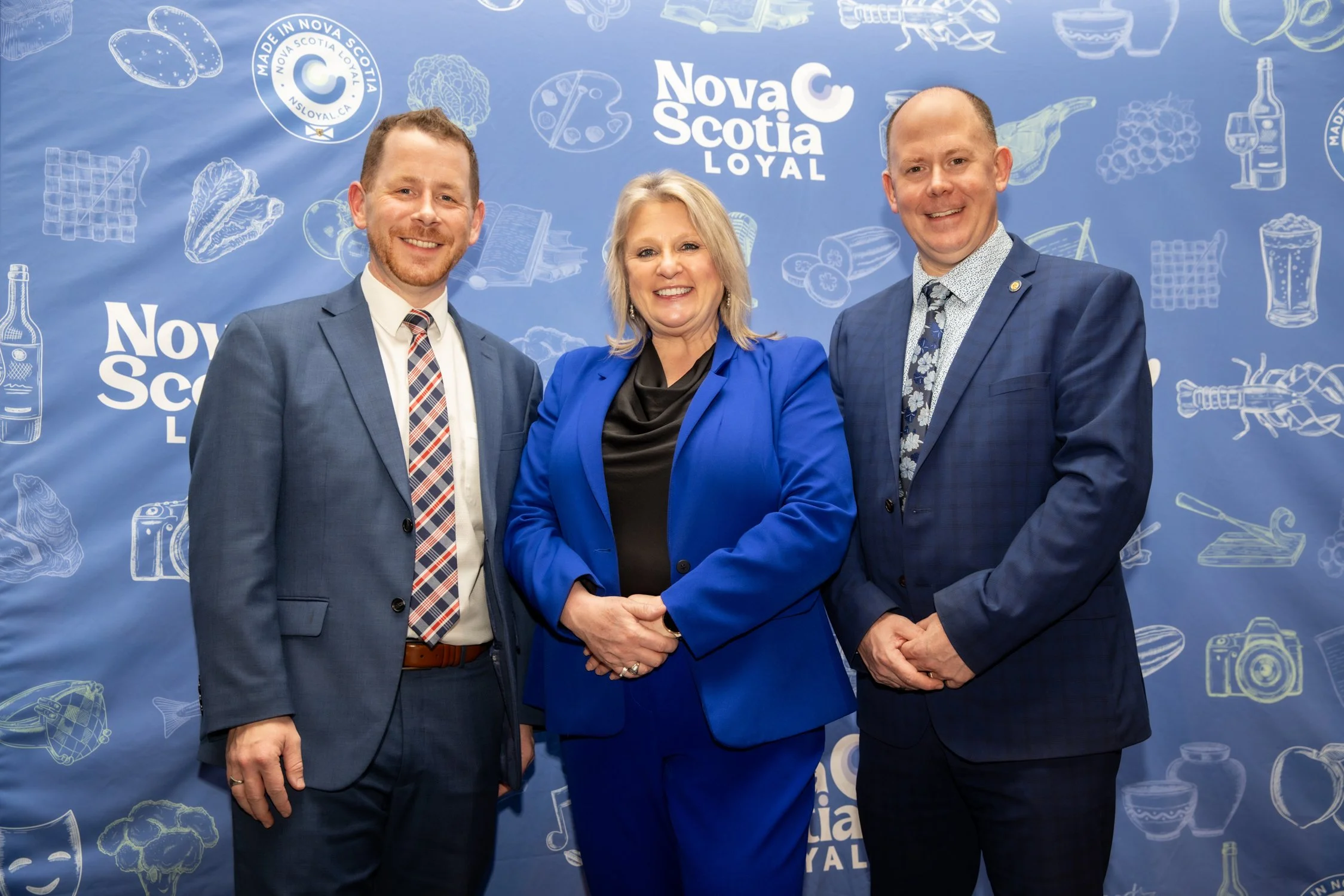
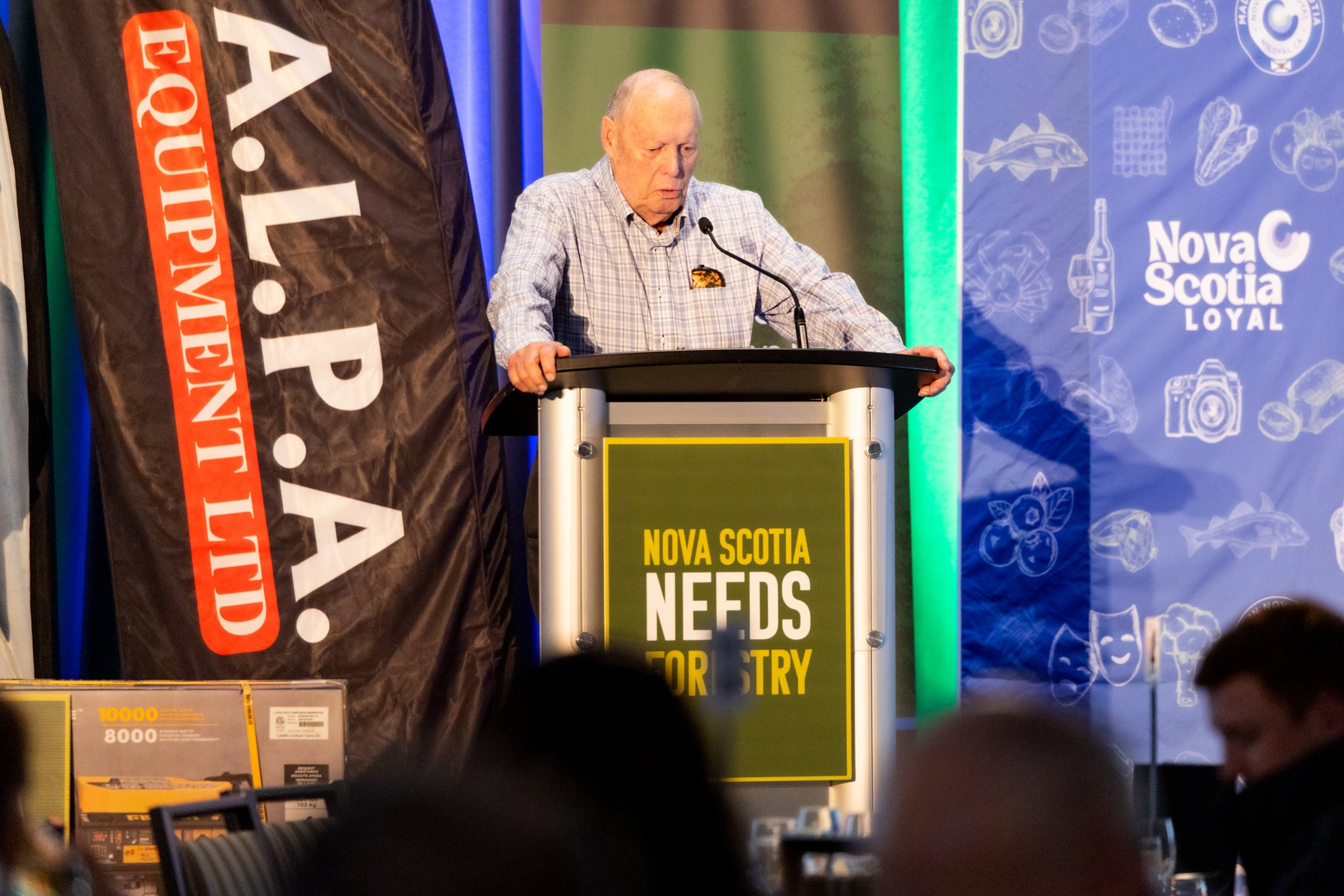
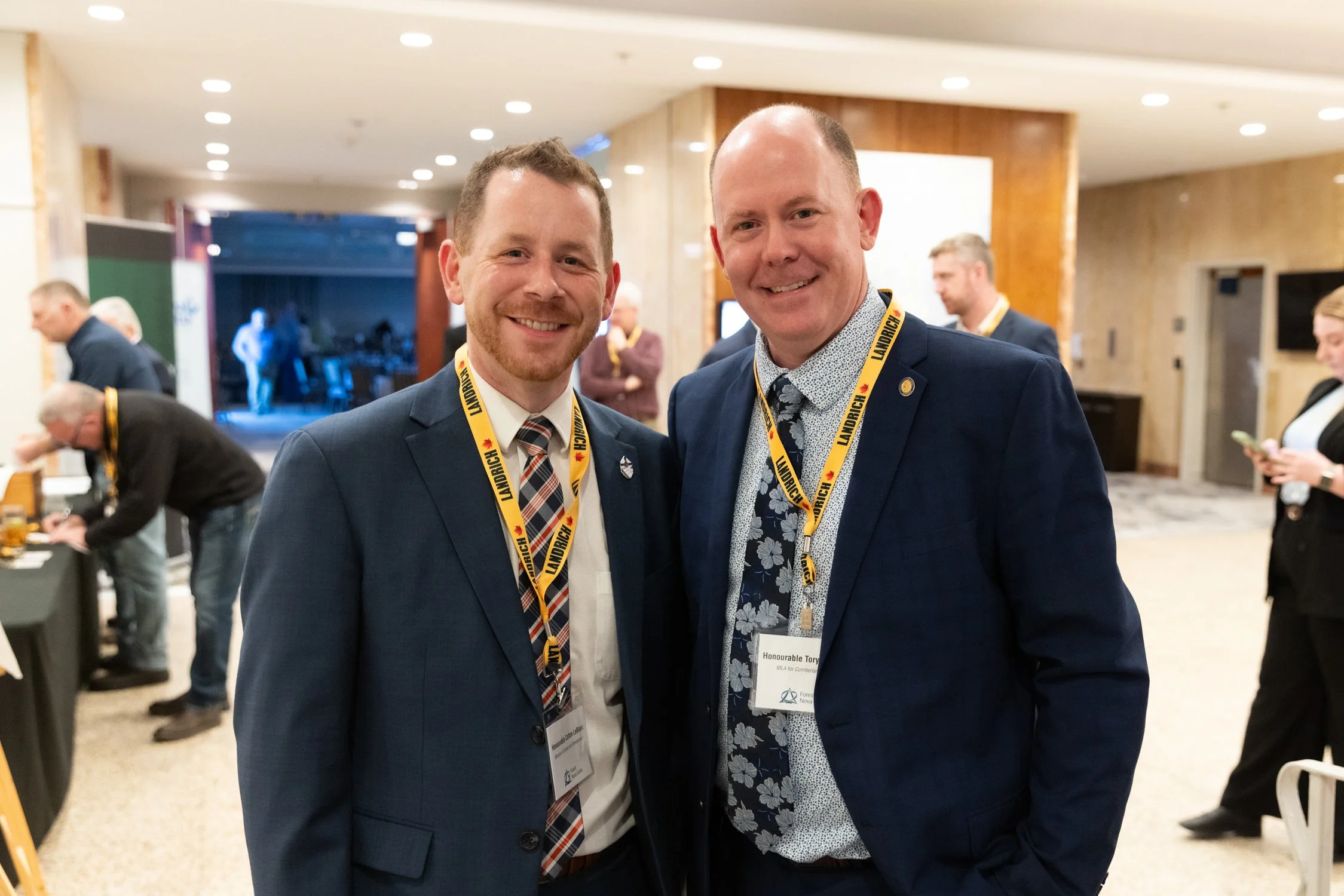
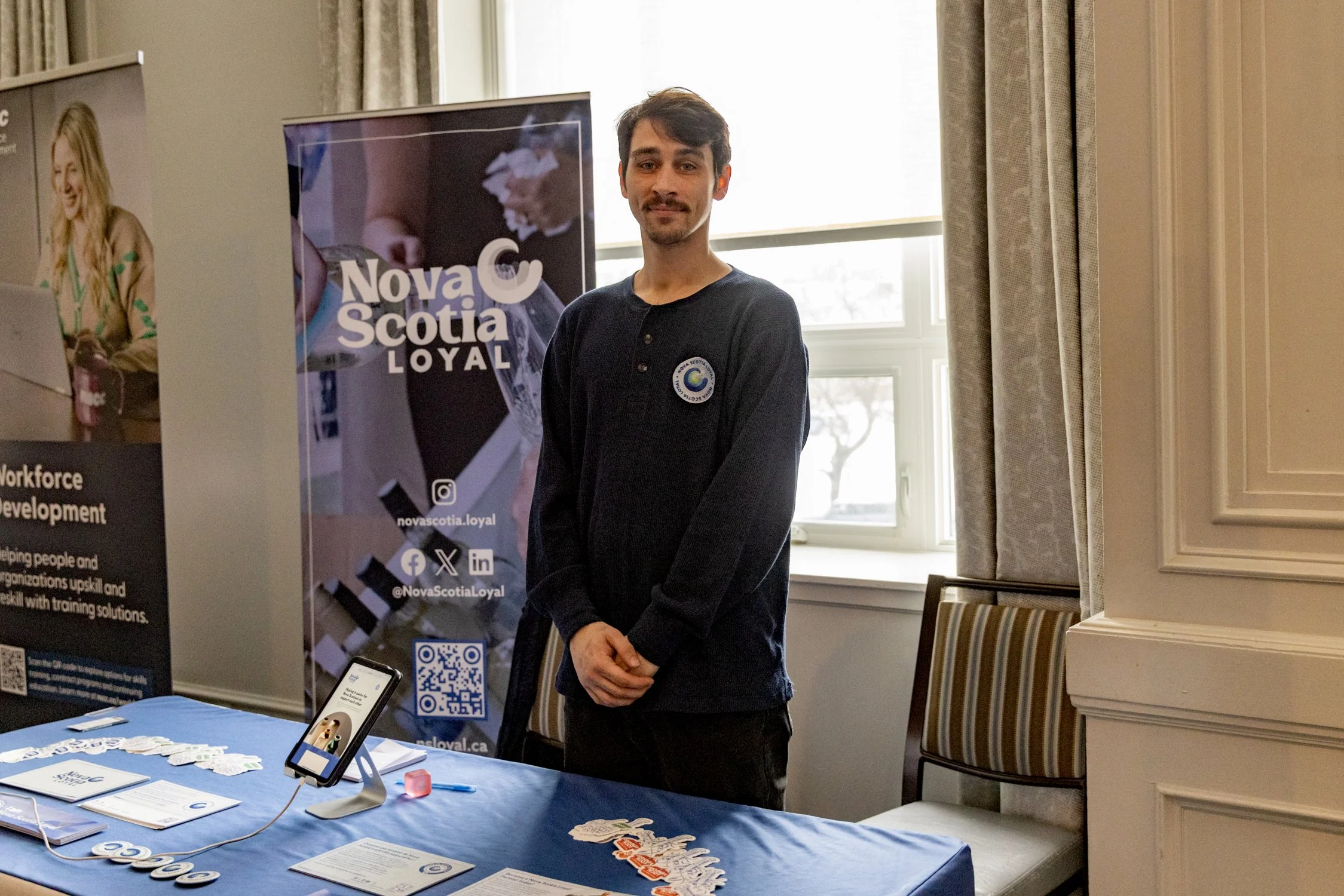
The Honourable Colton LeBlanc spoke about the government’s support for the forestry sector, including efforts to reduce trade barriers and foster the innovation taking place across the industry. He also highlighted the Forestry Innovation Transition Trust, which aims to support private woodlot owners in developing and maintaining access roads, and emphasized the importance of partnership with Nova Scotia Loyal as one of the province’s key traditional industries. Nova Scotia Loyal remained a strong presence throughout the event, serving as a visible reminder of the consumer-facing endpoint of many of the products and materials that begin within the forestry sector and ultimately reach communities across the province.
Several presenters reflected on initiatives that began in 2020, at the height of pandemic uncertainty, including Jonathan Burns and Rhys Waters of Podstarter. What was once a period of significant disruption also became a catalyst for bold new ideas. Today, we find ourselves at another pivotal moment, one that calls for the same creativity, resilience, and collaboration.
Common themes throughout the meeting included job creation, sustainability, community investment, and persistent advocacy for projects that strengthen both the industry and the province.
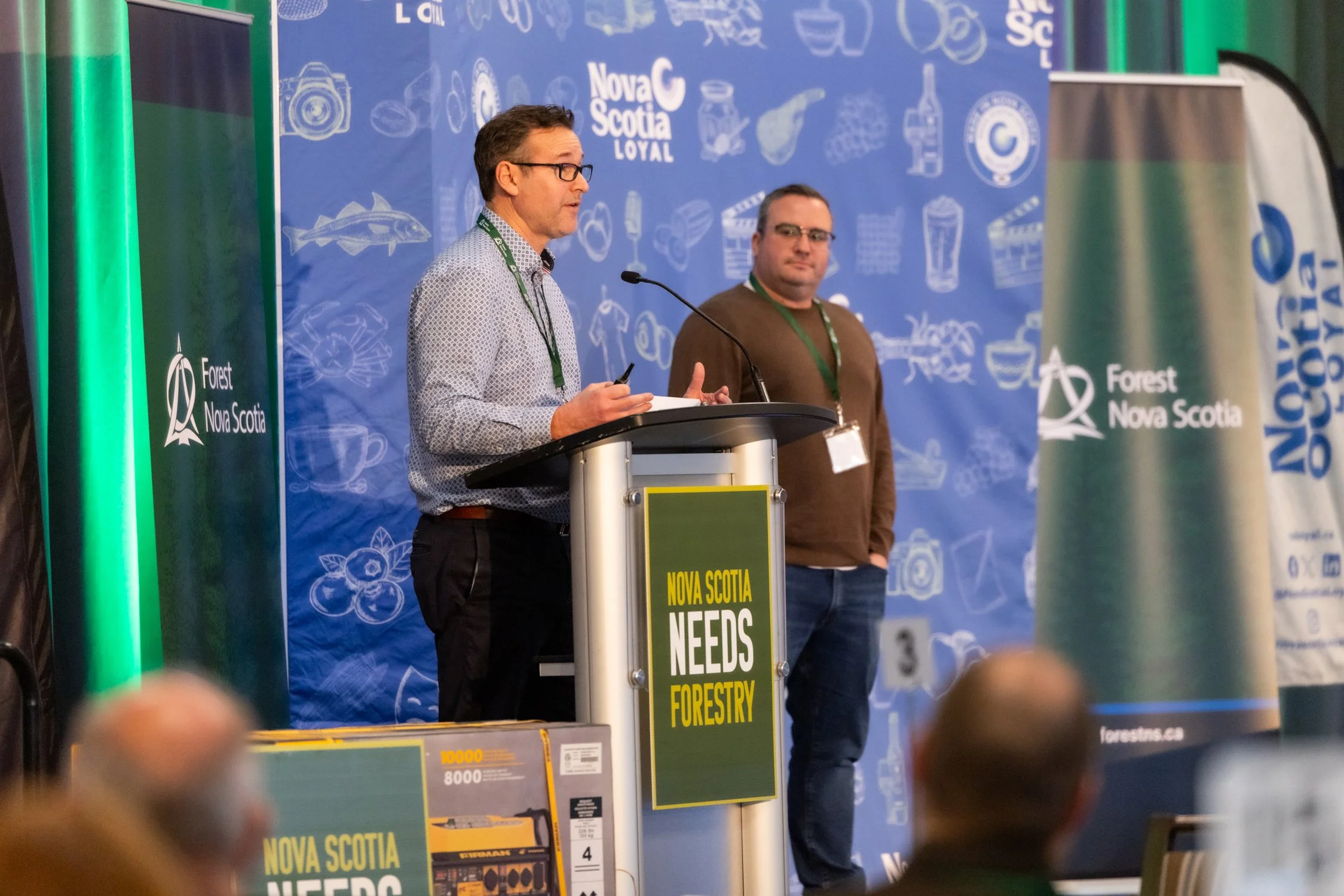
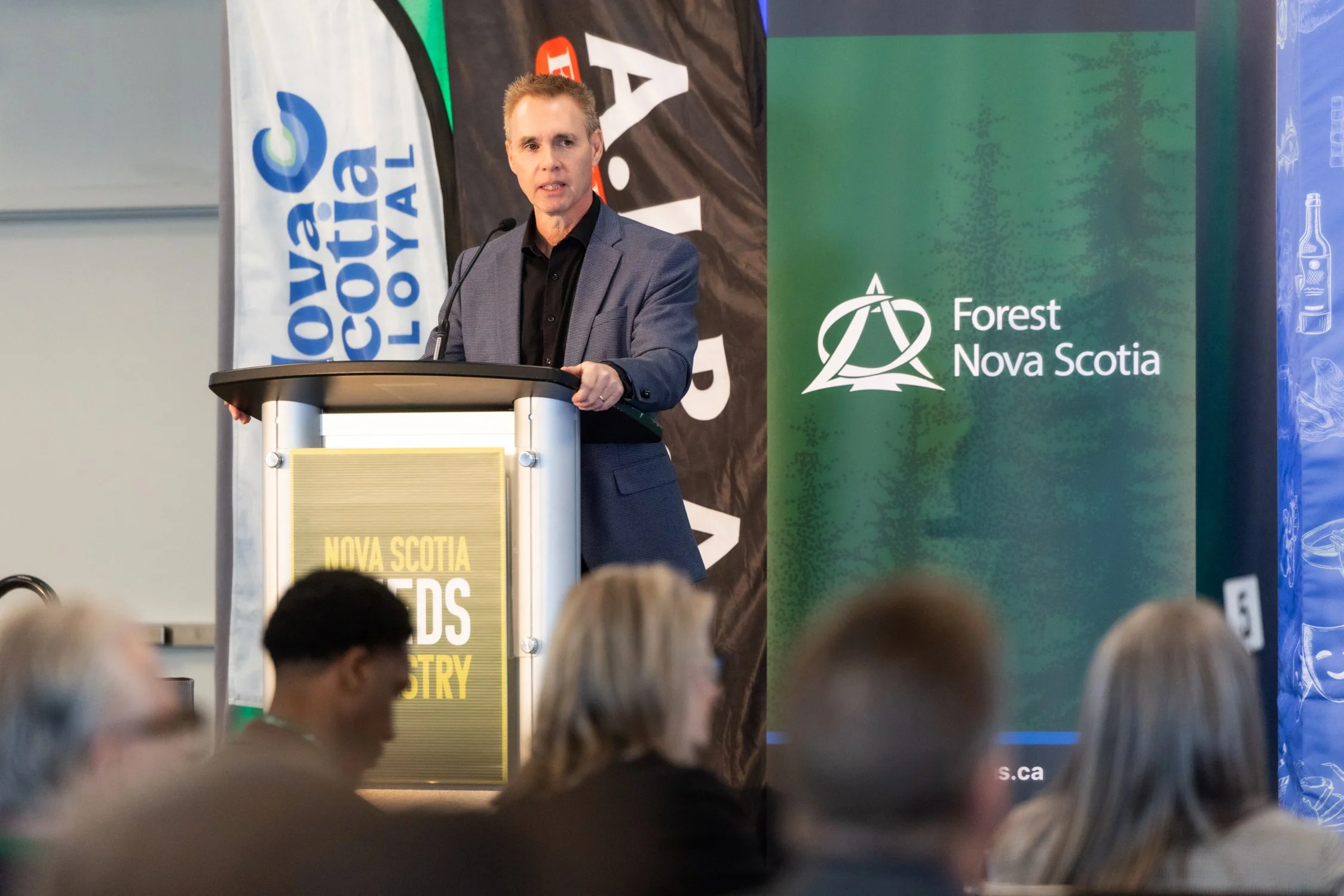
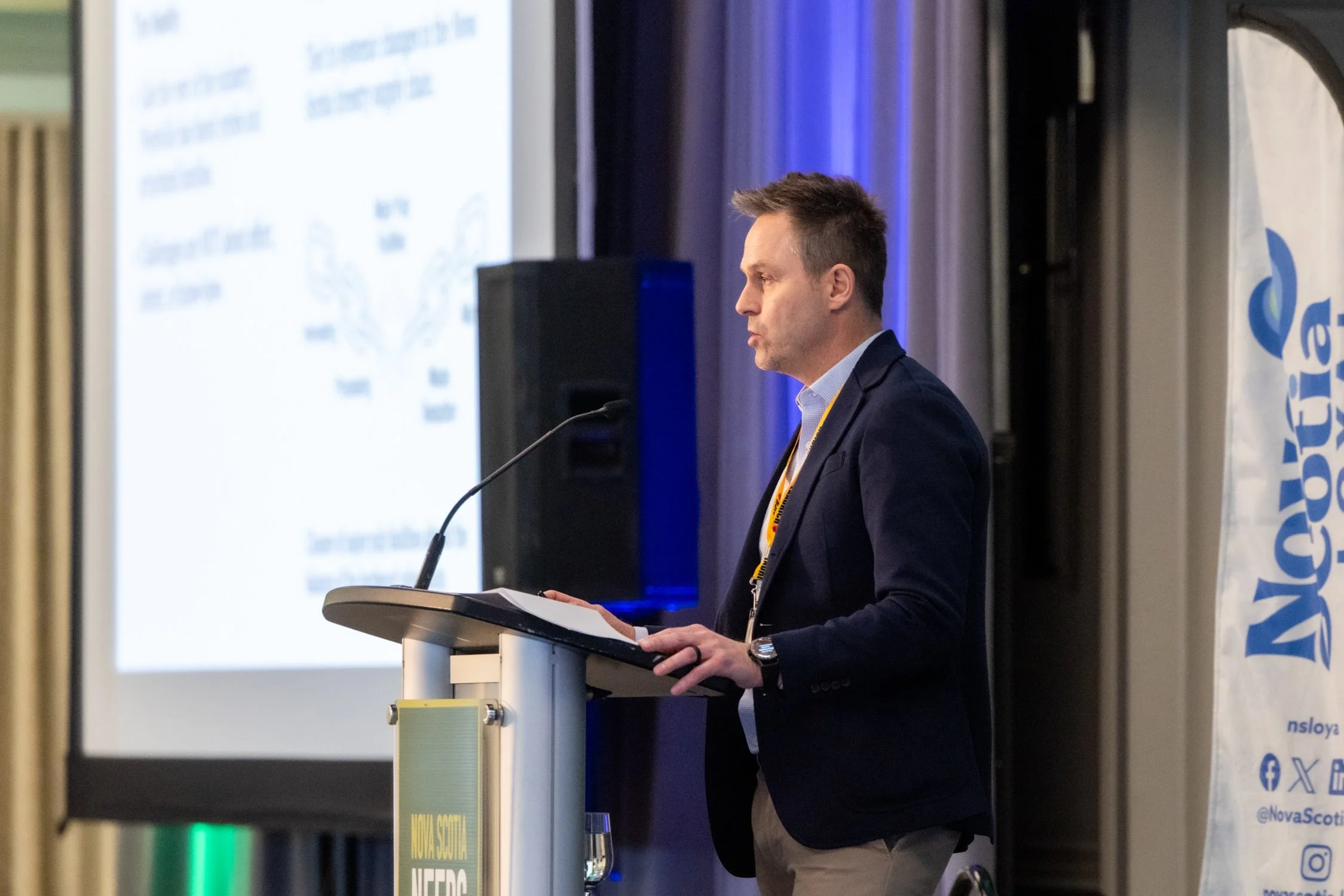
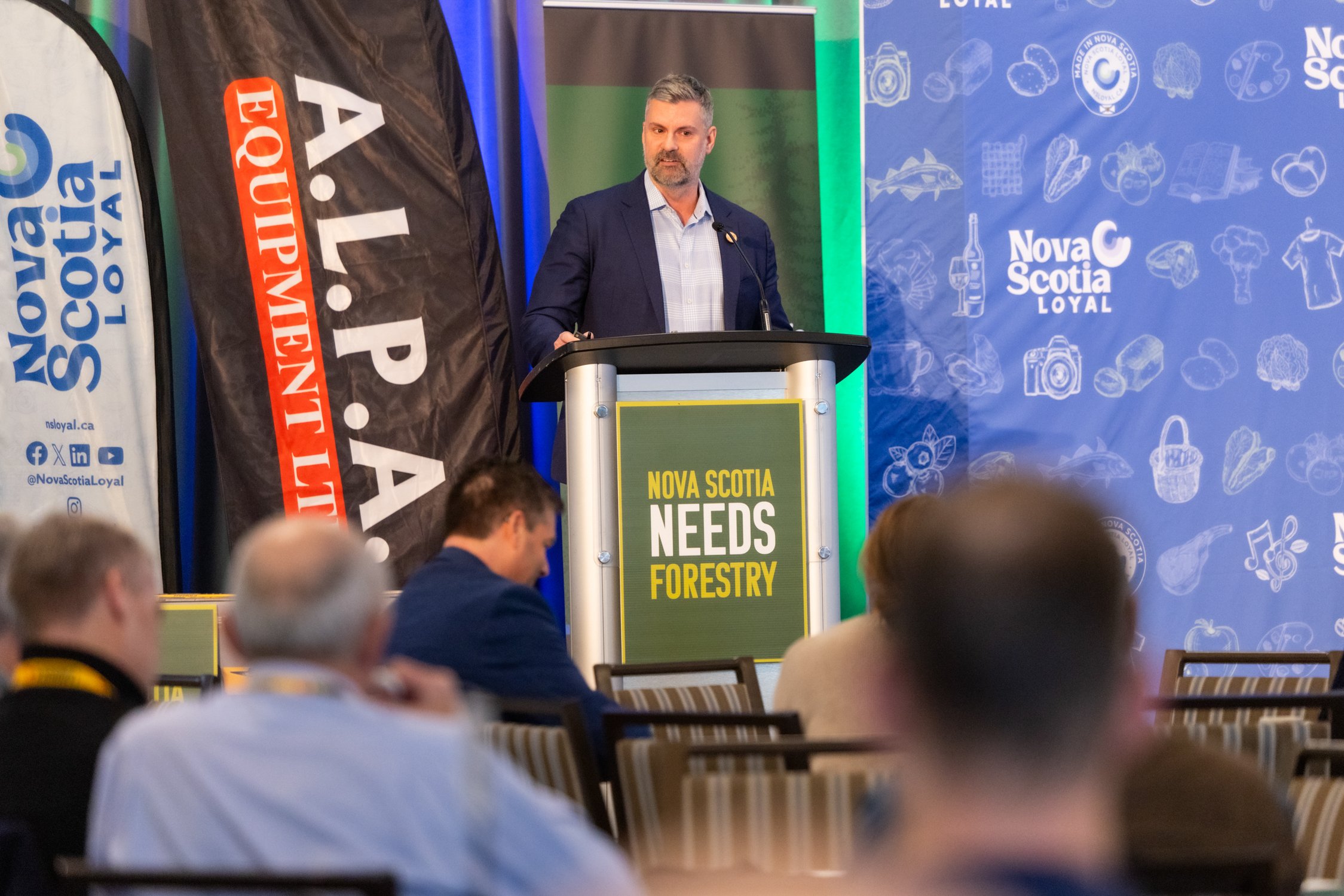
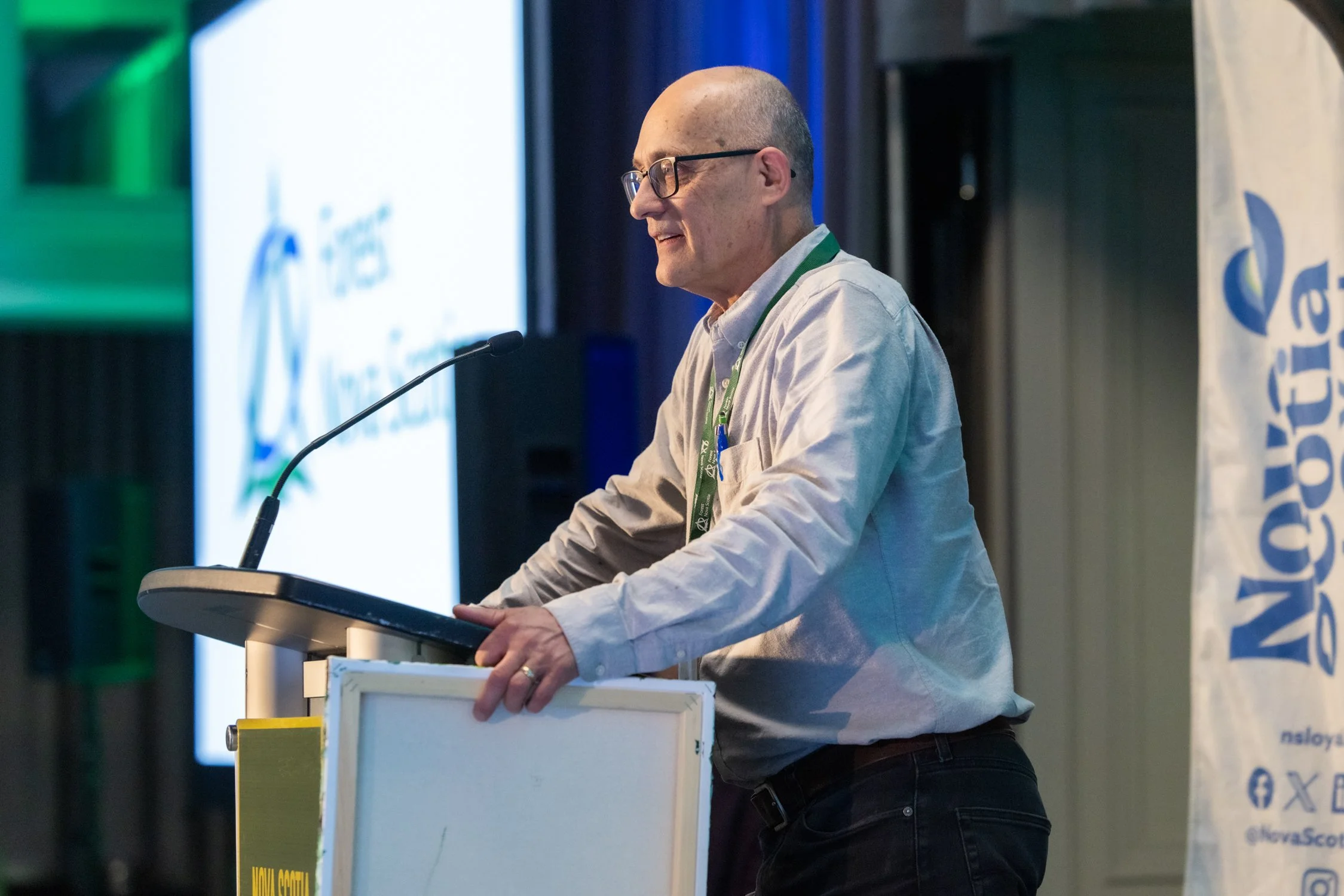
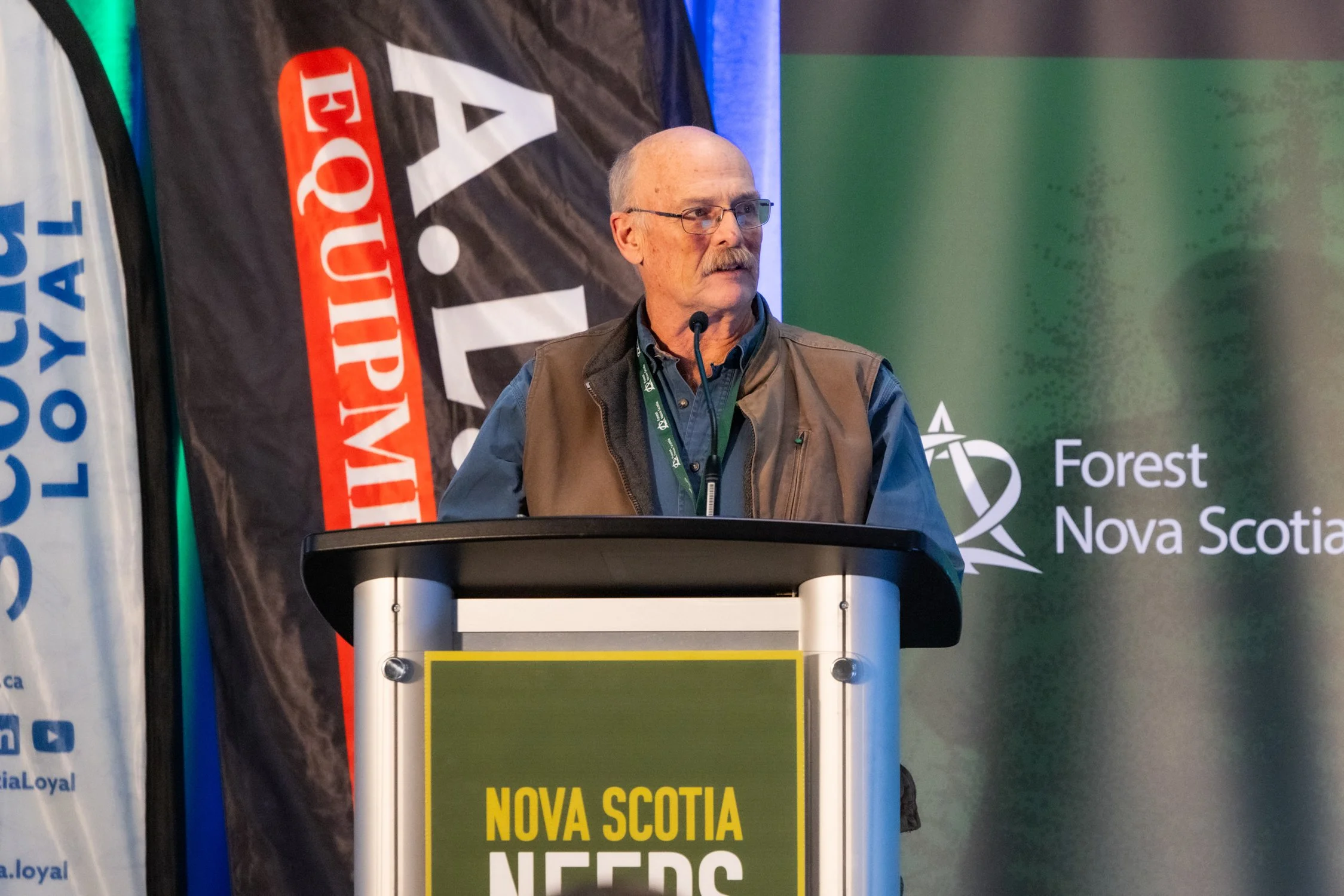
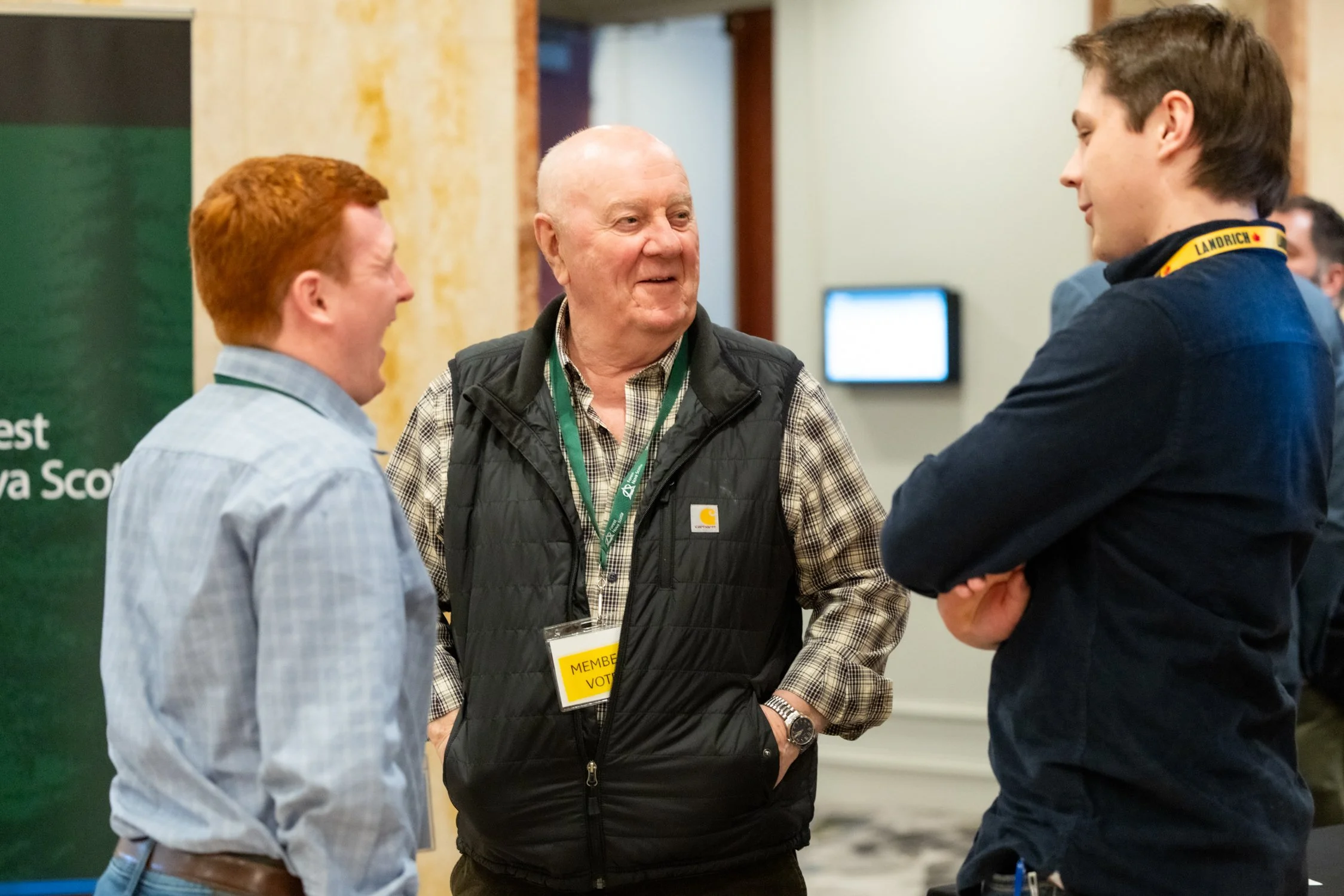
Amid the powerful discussions and knowledge-sharing, there was also time to unwind and connect at the dinner and awards reception, and through many other informal opportunities that strengthened relationships across the industry. The sense of connection on display was a true testament to an industry built on relationships, while remaining welcoming and supportive of new participants. At the dinner, we took a moment to remember Richard Freeman, a deeply respected and steadfast advocate for Nova Scotia’s forest products sector, whose leadership and commitment to the thousands of Nova Scotians working within the industry left a lasting impact across the organizations and communities he served.
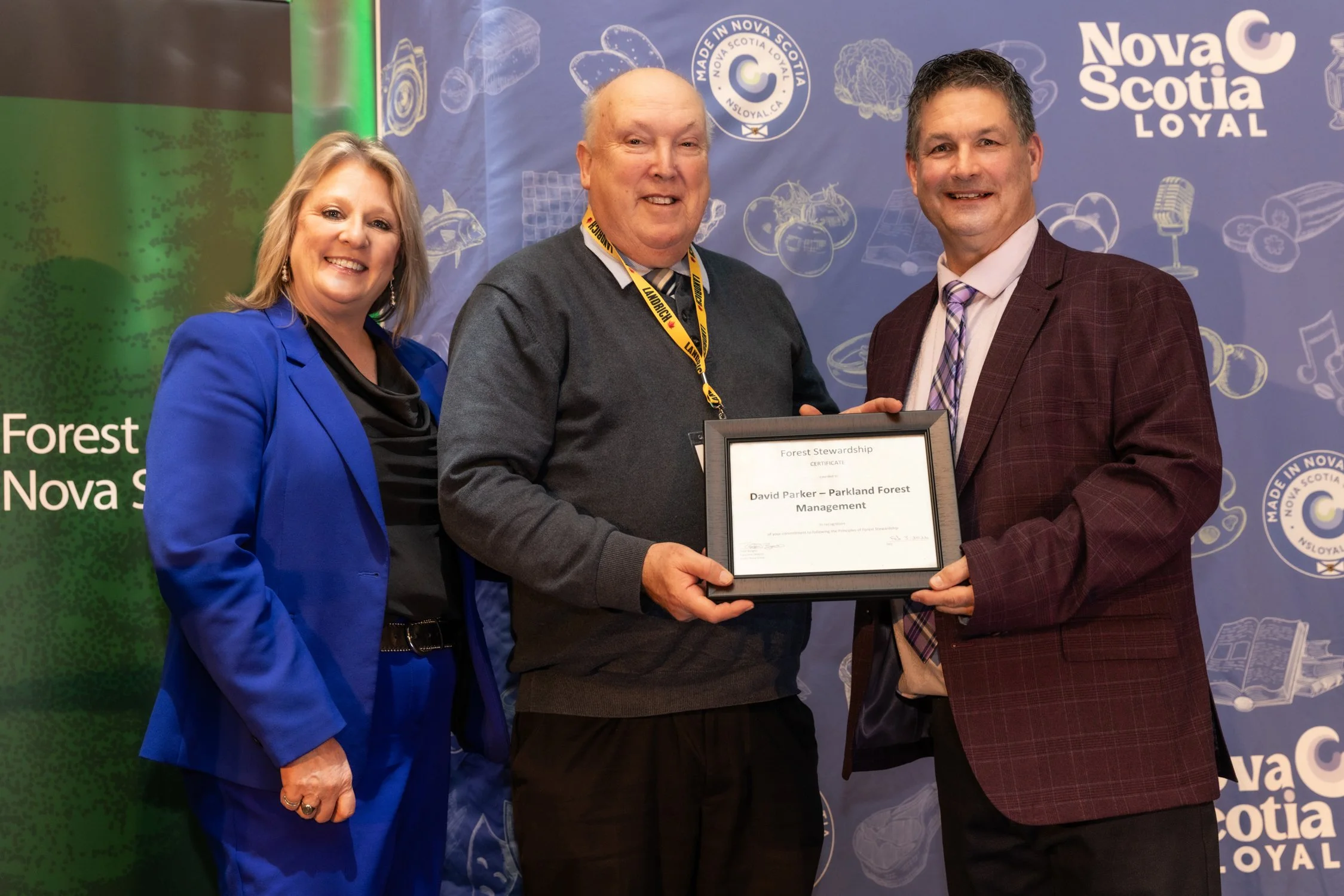
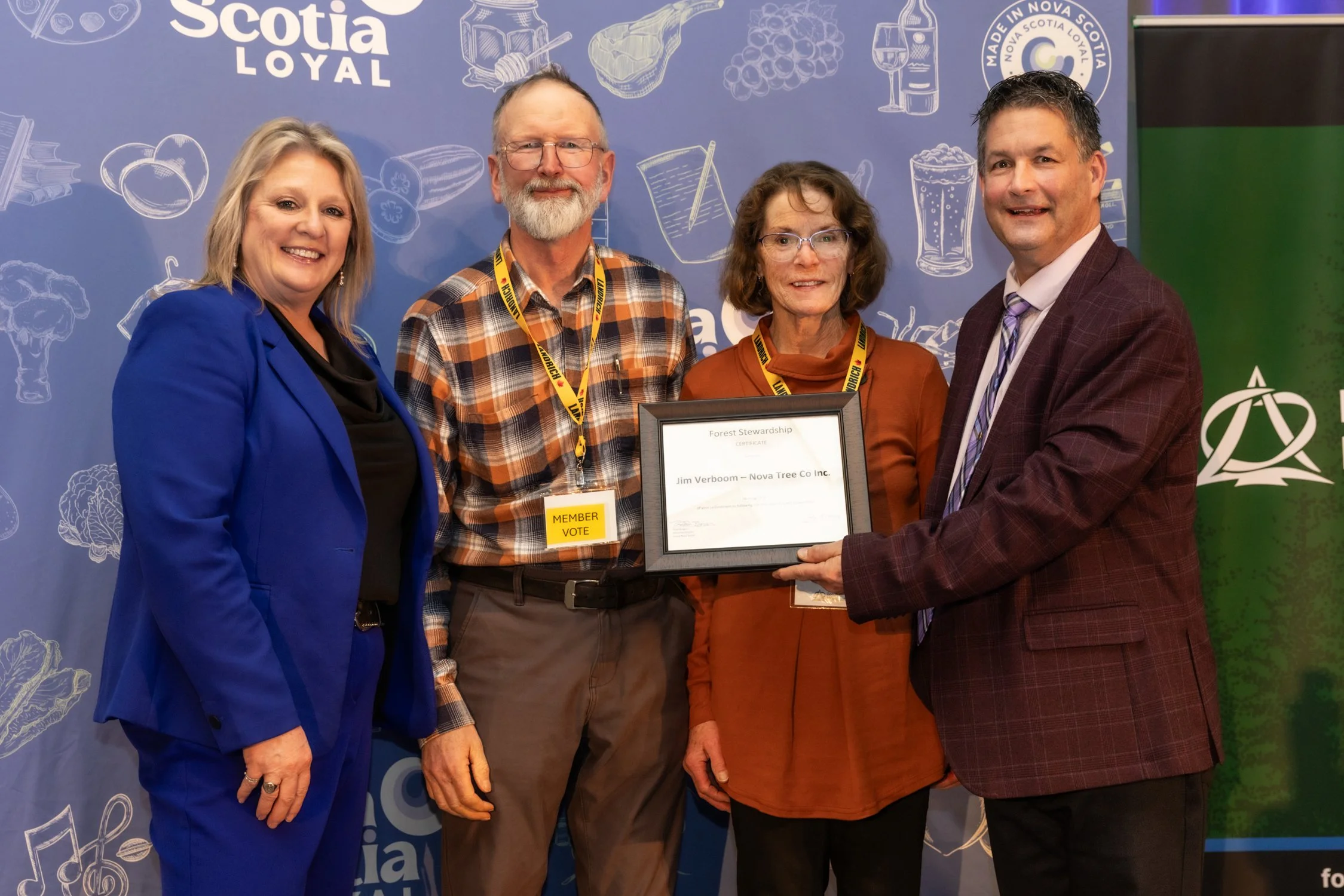
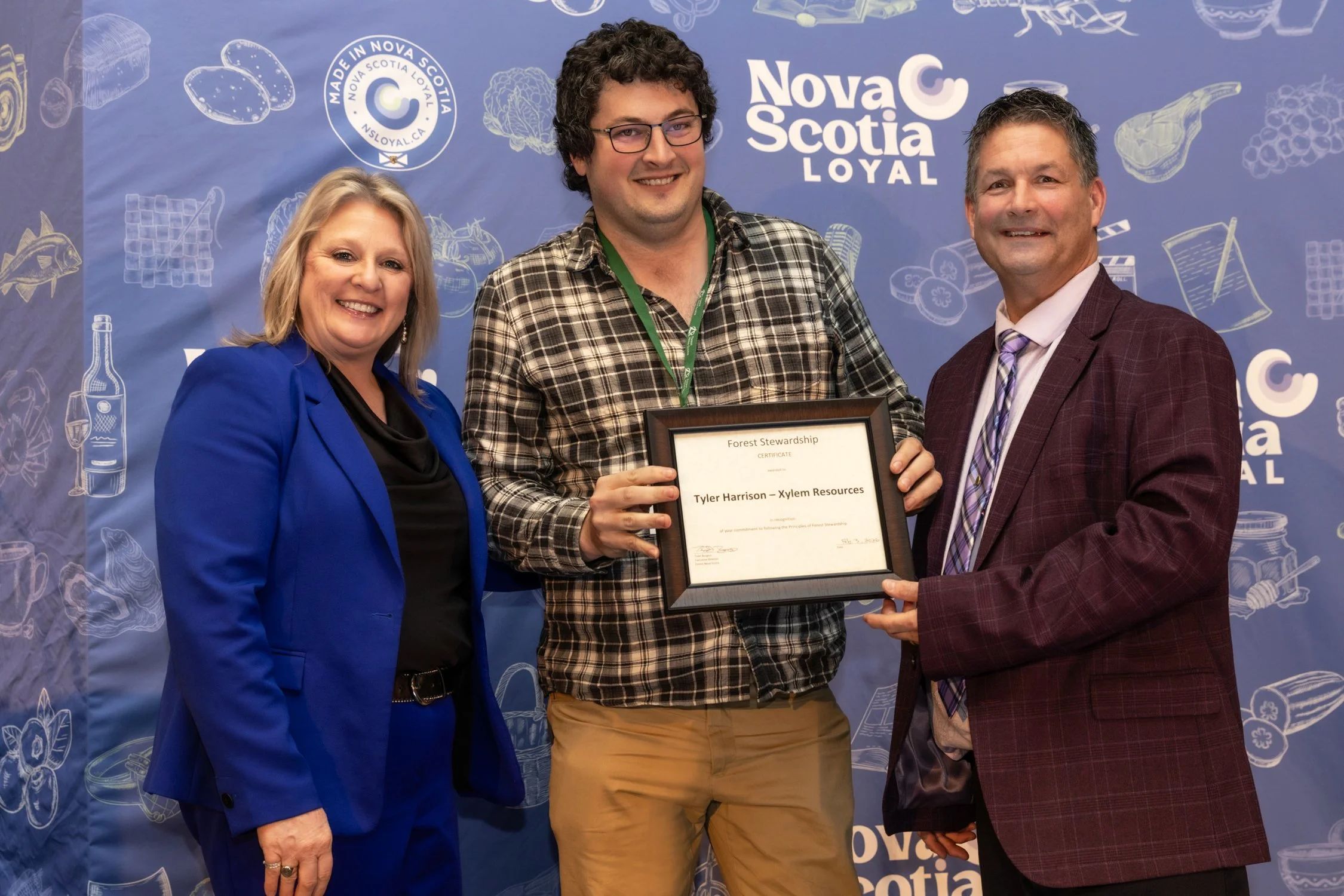
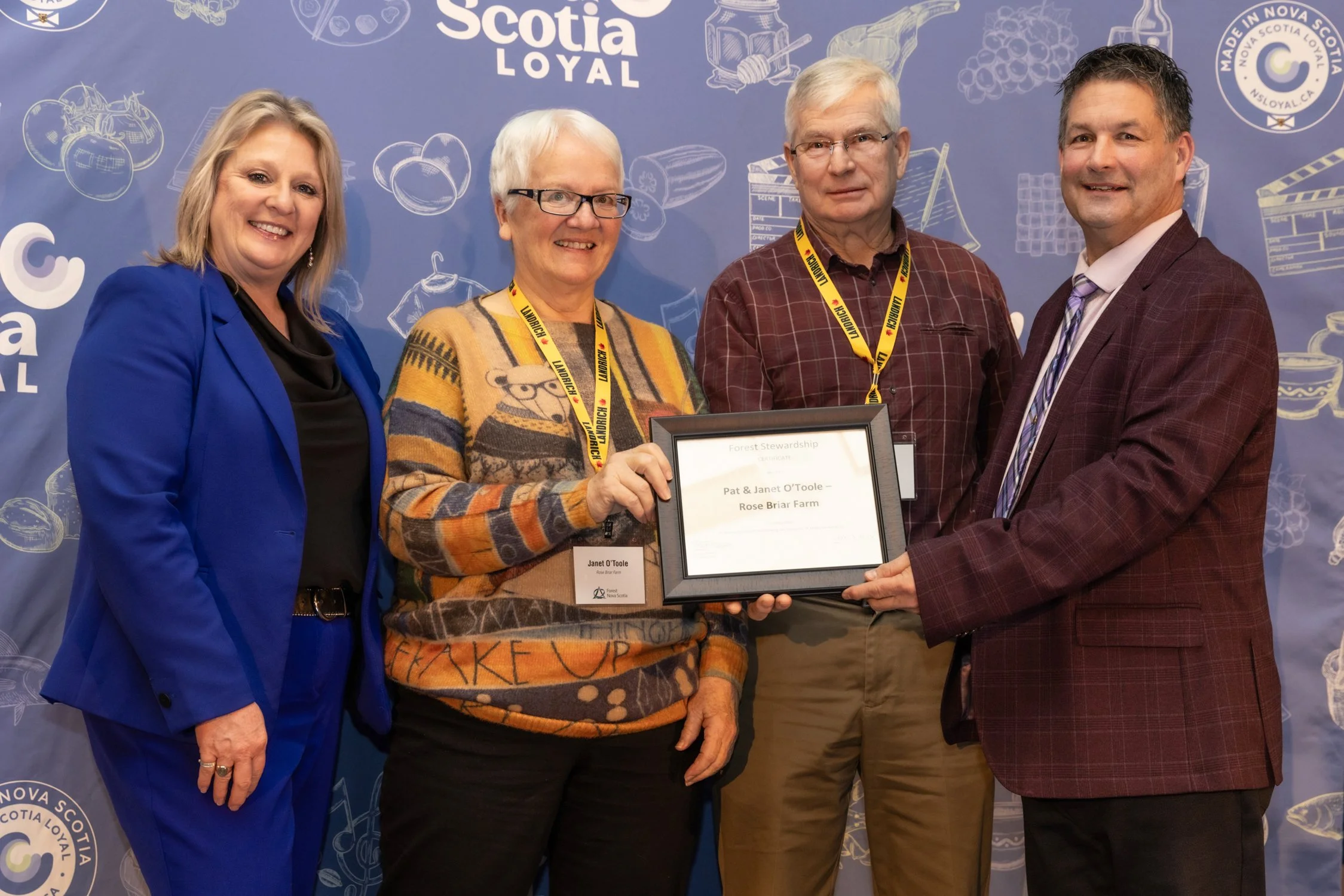
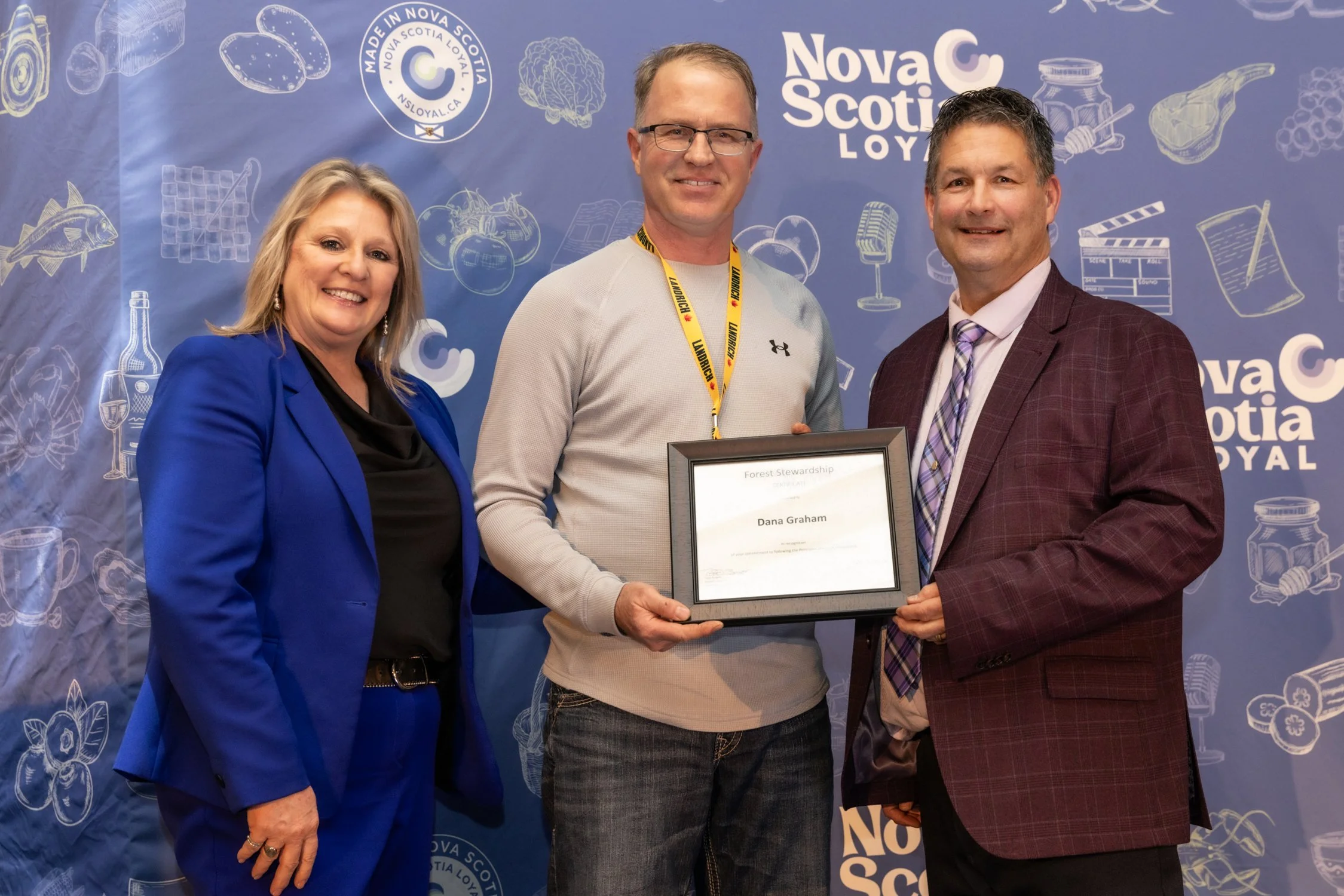
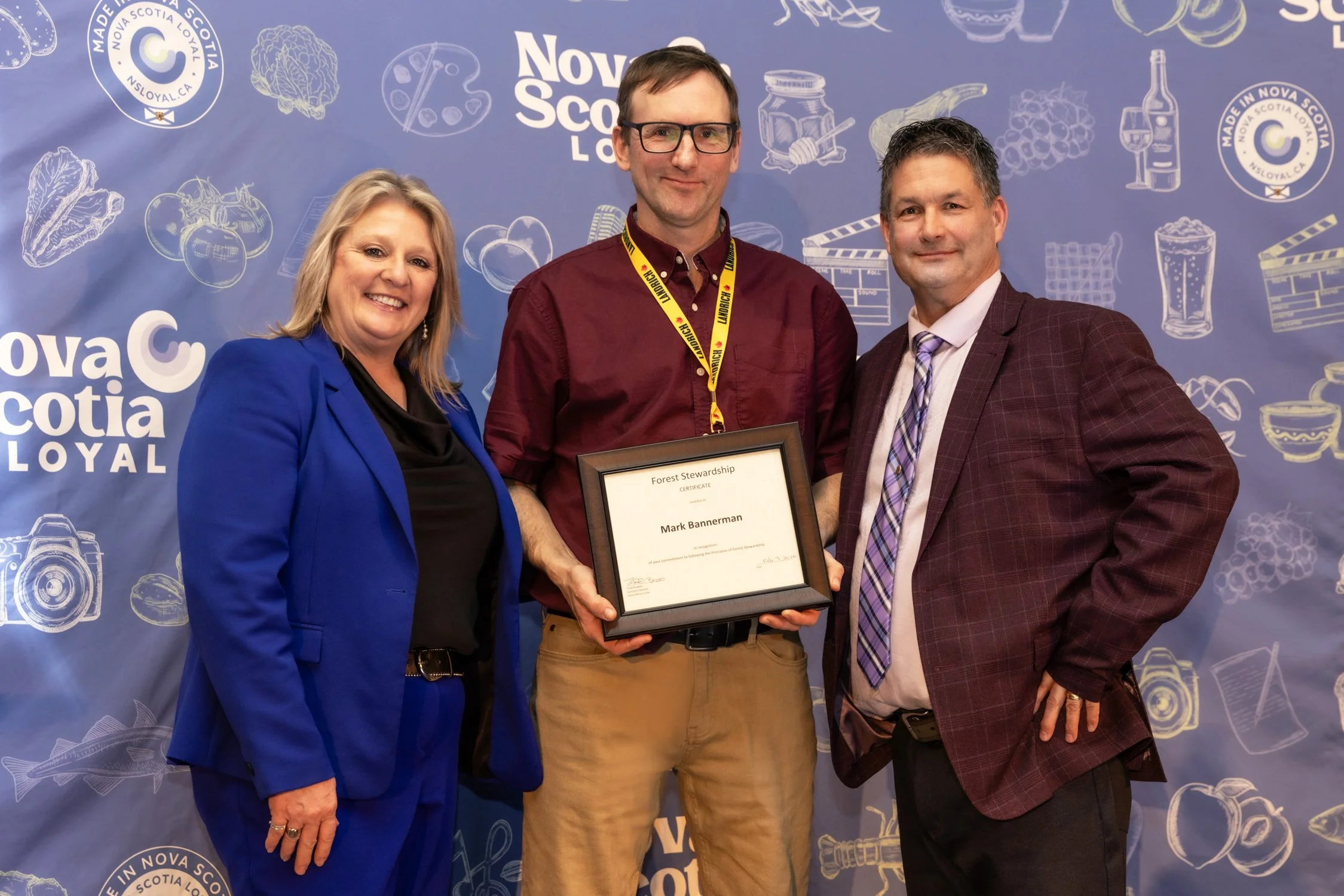
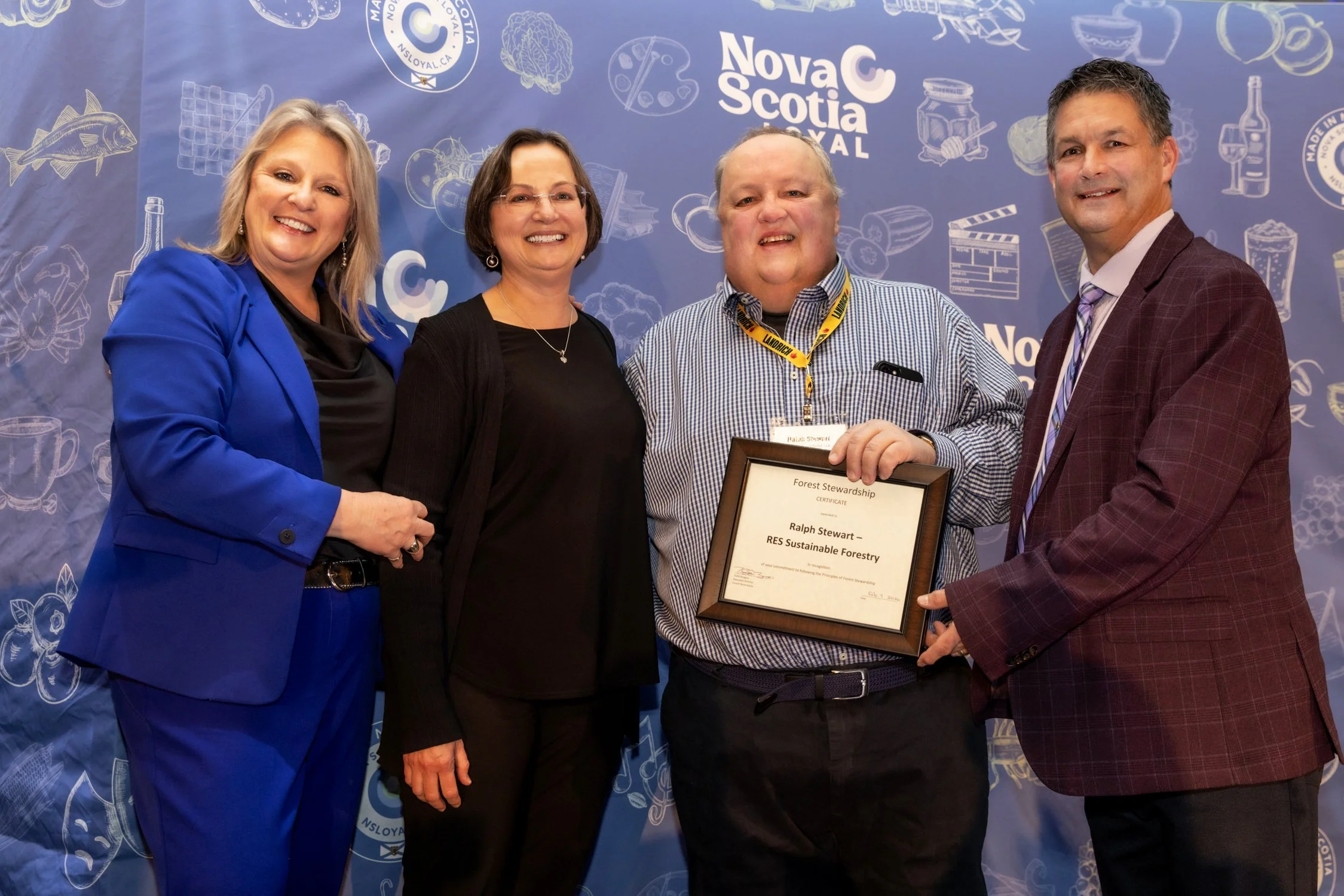
Minister Masland presented this year’s Forest Stewardship Certificates to the following recipients, recognizing their outstanding leadership across the industry:
Ralph Stewart (RES Sustainable Forestry)
David Parker (Parkland Forest Management)
Jim Verboom (Nova Tree Co. Inc.)
Tyler Harrison (Xylem Resources)
Pat and Janet O’Toole (Rose Briar Farm)
Peter Neily
Dana Graham
Mark Bannerman (Next Generation Forest Management)
Bill Angevine (Angevine Horse Logging)
Glen Rosse
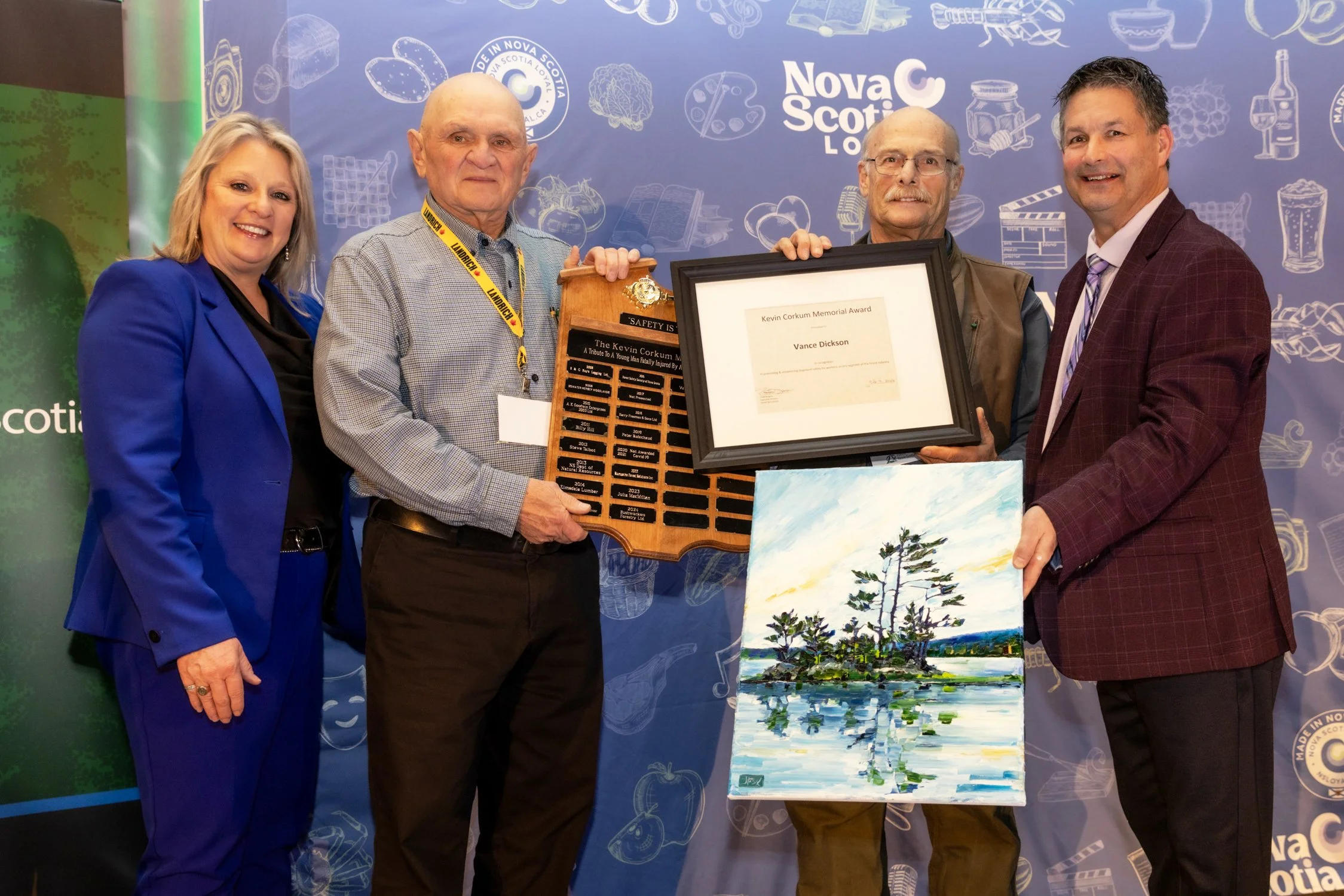
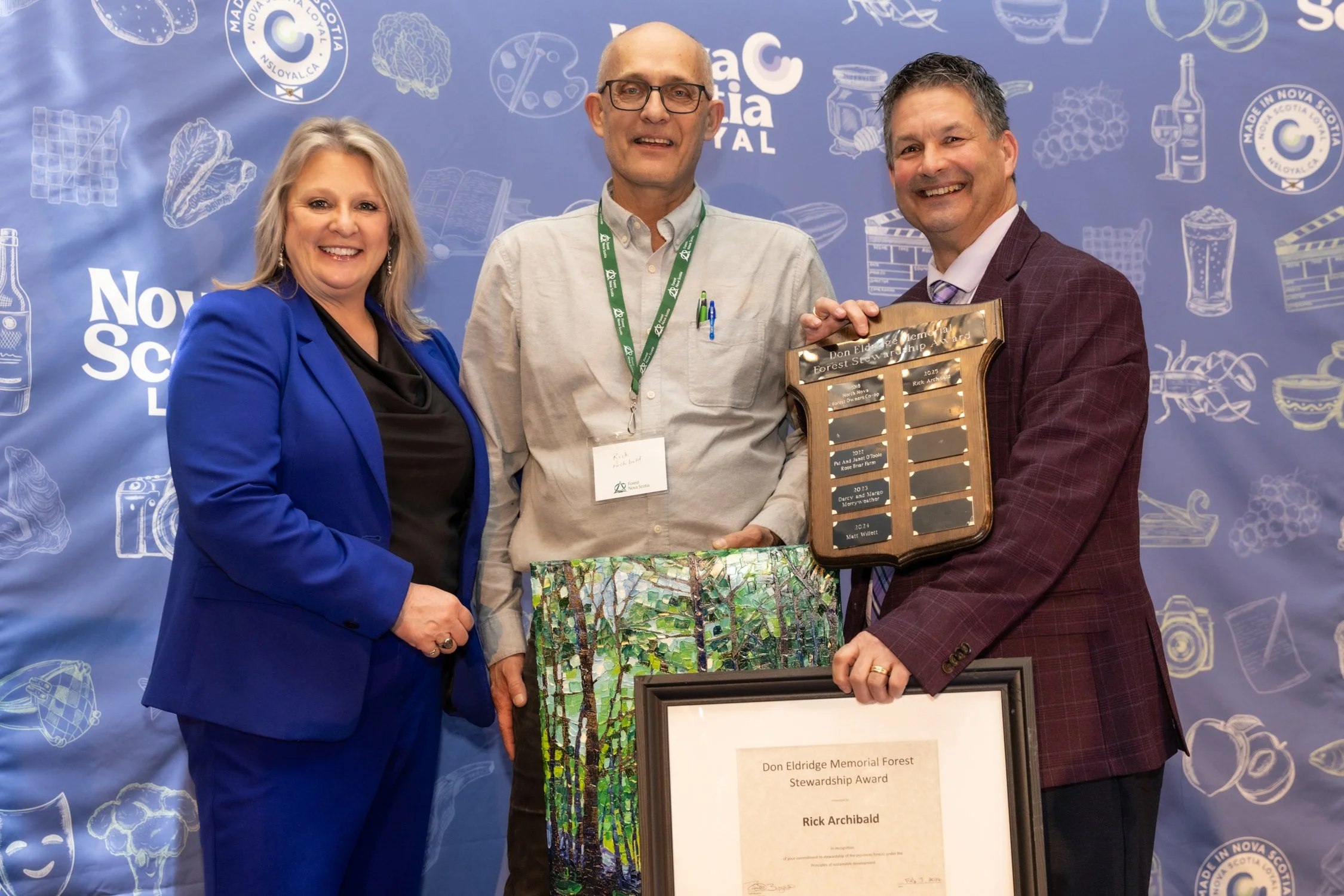
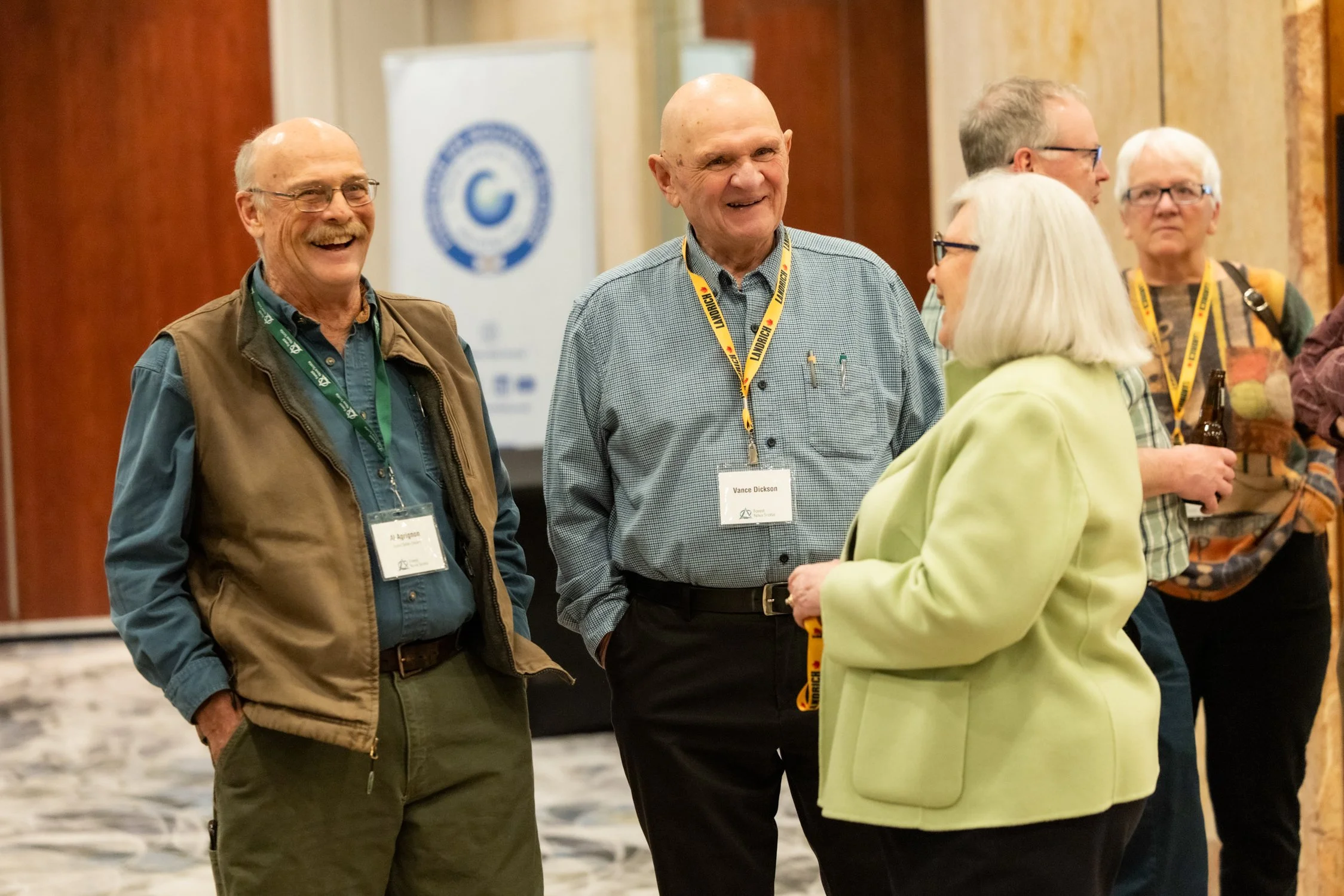
The Kevin Corkum Memorial Safety Award was presented to Vance Dickson, and the Don Eldridge Memorial Forest Stewardship Award was awarded to Rick Archibald.
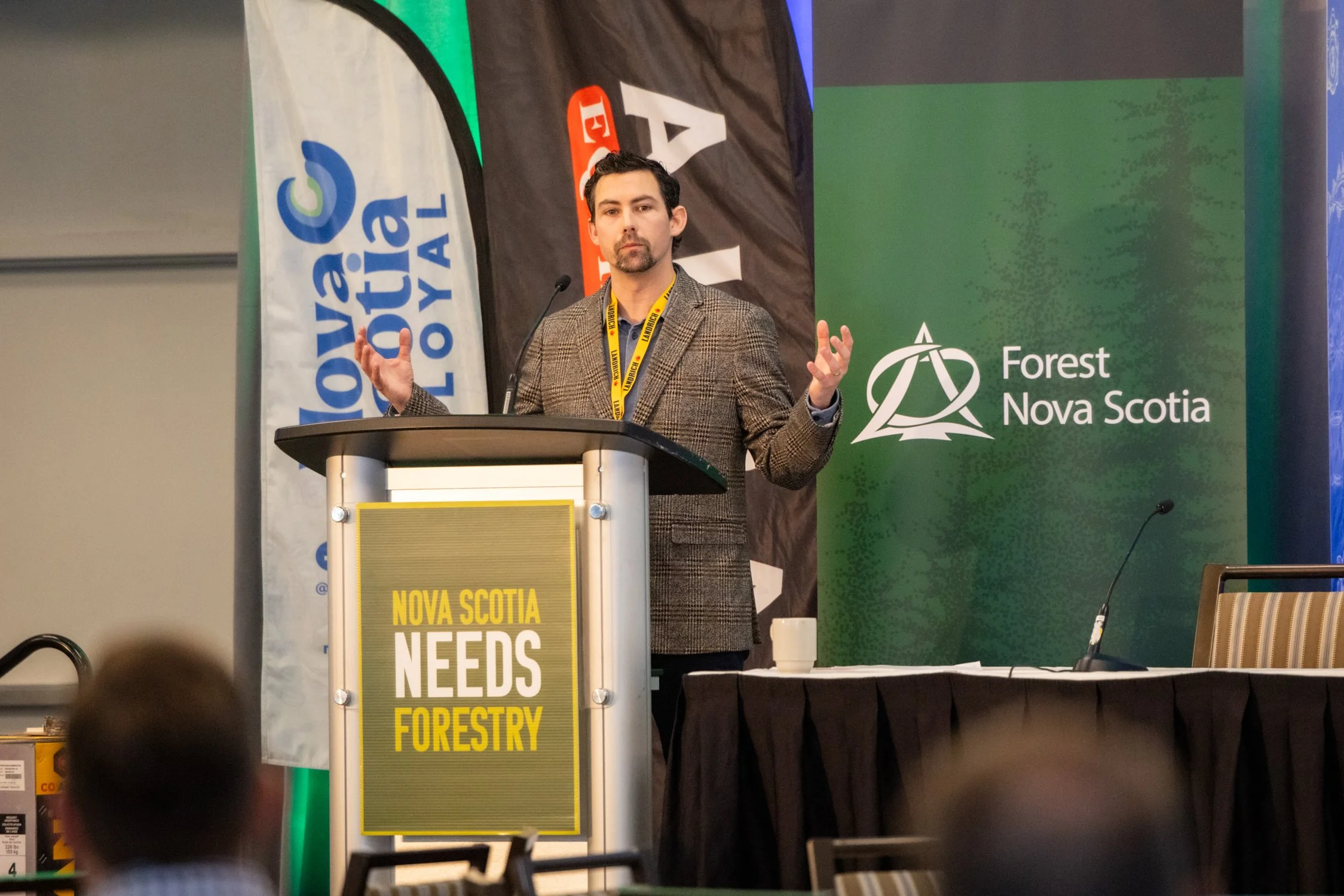
On day two, learning continued to deepen as speakers shared insights on energy-positive homes, with Jackson Wyatt of CABN Co. highlighting innovations in sustainable, net-zero home design, as well as discussions on “black gold” biochar, and continuing education in the forestry sector. The education panel focused on attracting, training, and retaining the next generation of forestry professionals. Gareth Davies of the Maritime College of Forest Technology, Dr. Michelle Gray of UNB, and Andrew Fedora of NSCC spoke about program development at their respective institutions, and how those programs are being shaped to meet evolving forestry knowledge requirements while also strengthening the long-term stability and marketability of careers within the sector.
Sara Napier of United Way demonstrated the direct connection between forestry and positive social outcomes through innovative approaches in housing and development. She emphasized the importance of smaller, attainable homes for Nova Scotians who need housing the most right now. When we work together to create housing that meets the needs of all Nova Scotians, we also support improved health and well-being.
These ideas were reinforced during the Community Development panel featuring Napier, Gillian Reid, Reid Ltd., and Floyd Dykeman of the River Philip organization. Known for her passion for connecting people and organizations, Reid spoke to the importance of building strong relationships between organizations and the communities they serve, and how partnership models and shared responsibility help align efforts to address today’s most pressing societal challenges. Floyd highlighted the role of responsible stewardship of funding to ensure resources create meaningful, lasting impact for the communities they are meant to support.
Glenn Hardie shared The Shaw Group’s practical approach to rural development, including the creation of detailed manuals that empower non-skilled workers to participate in modular home construction. His emphasis on lifting people out of poverty by helping them build equity resonated strongly with attendees.
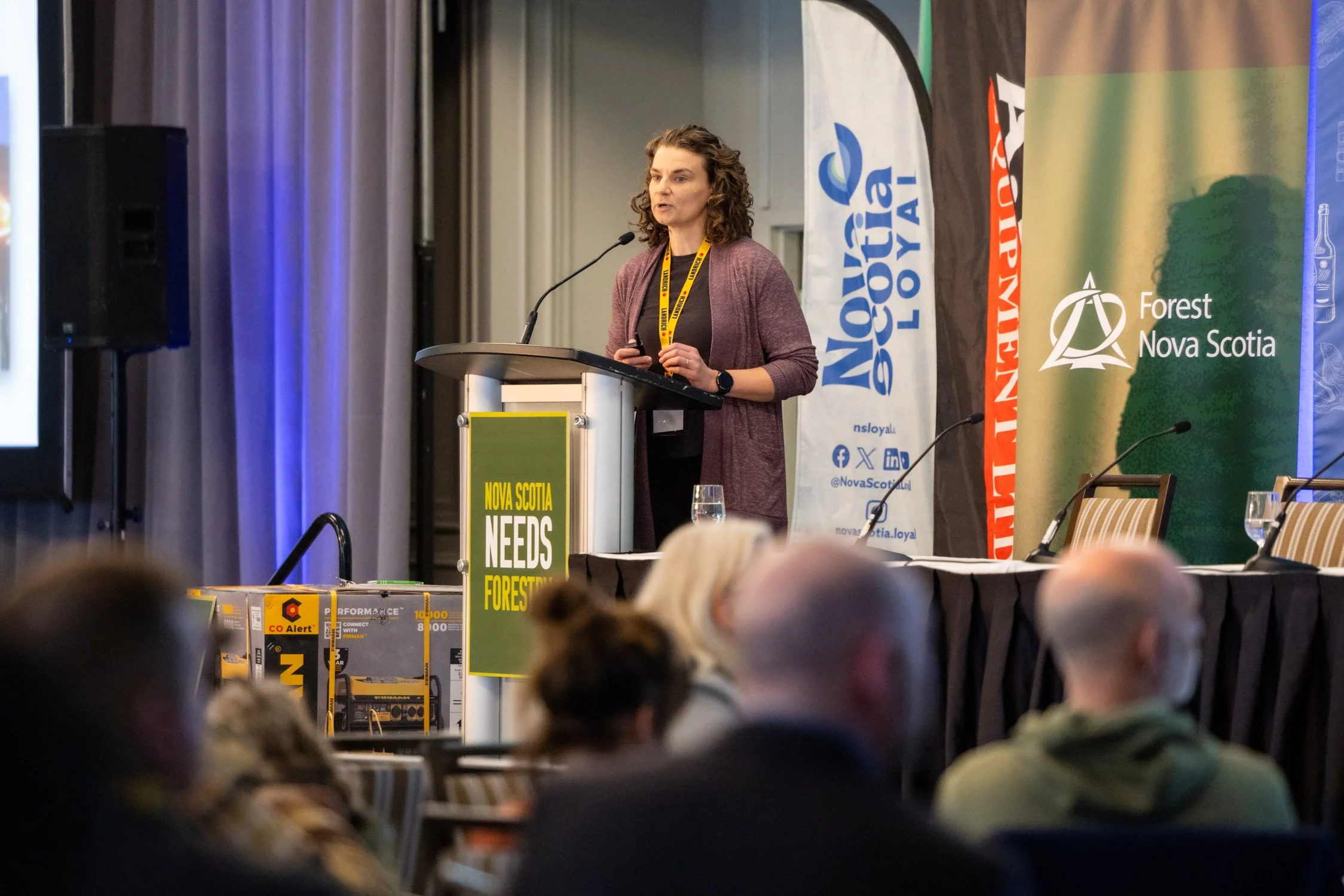
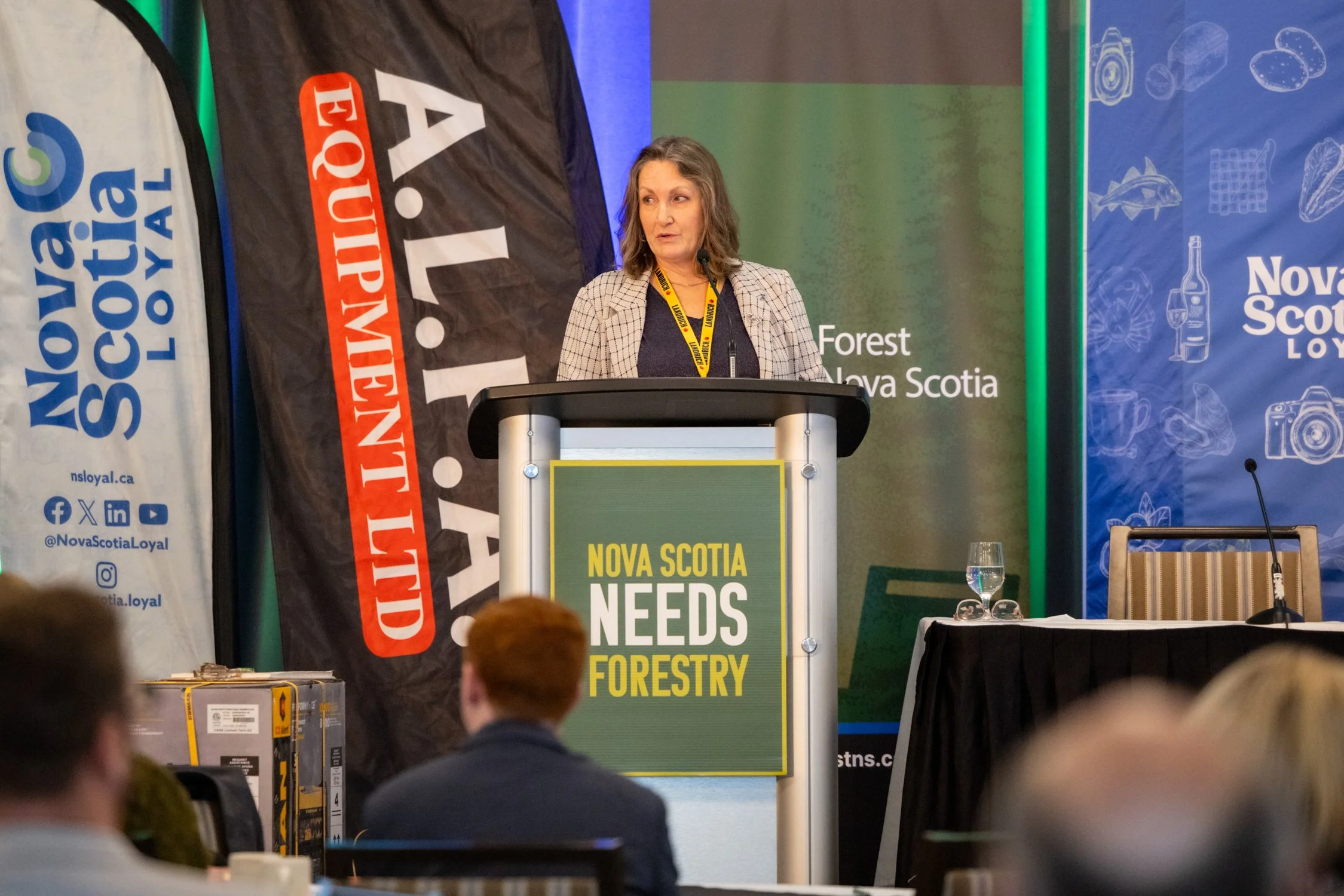
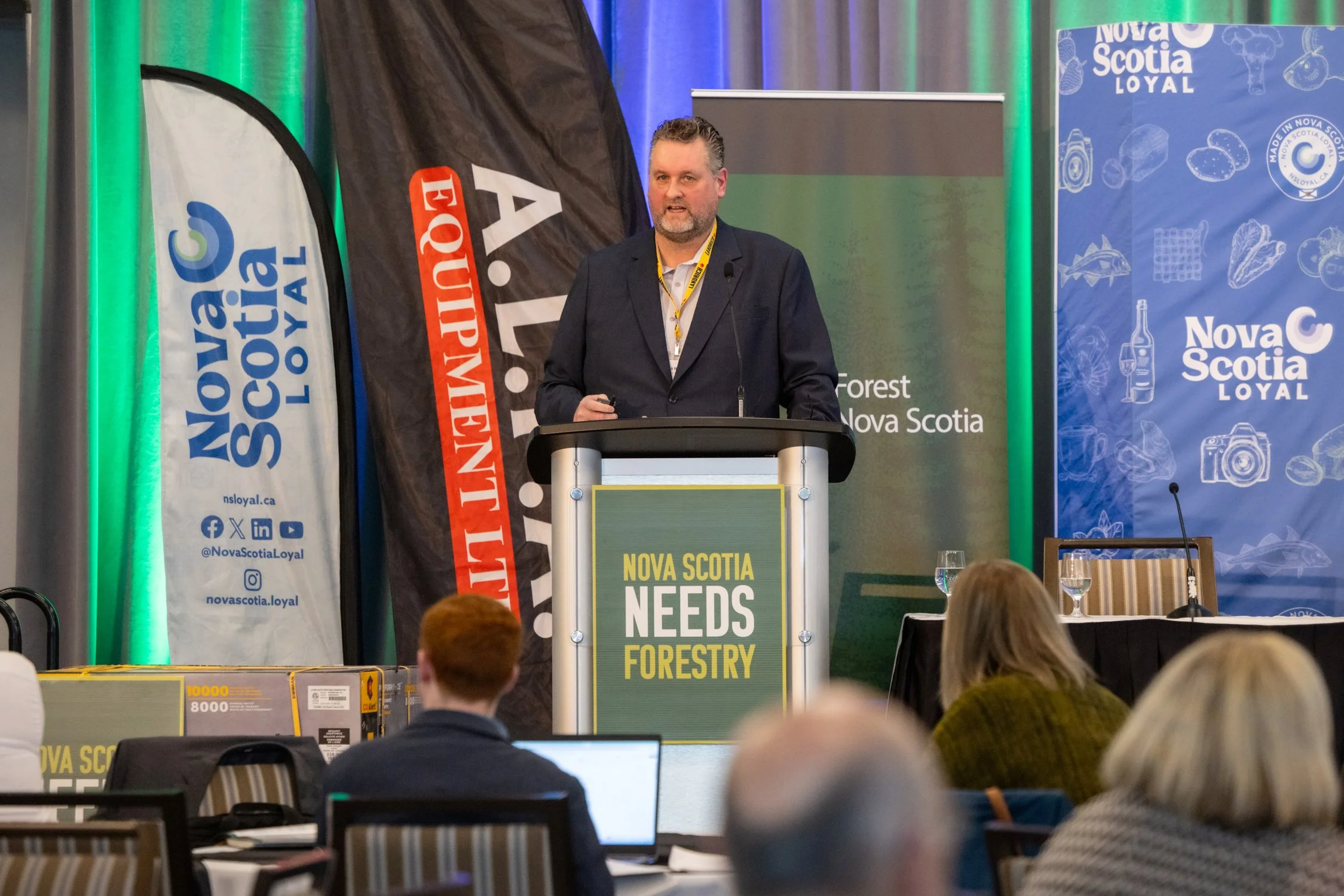
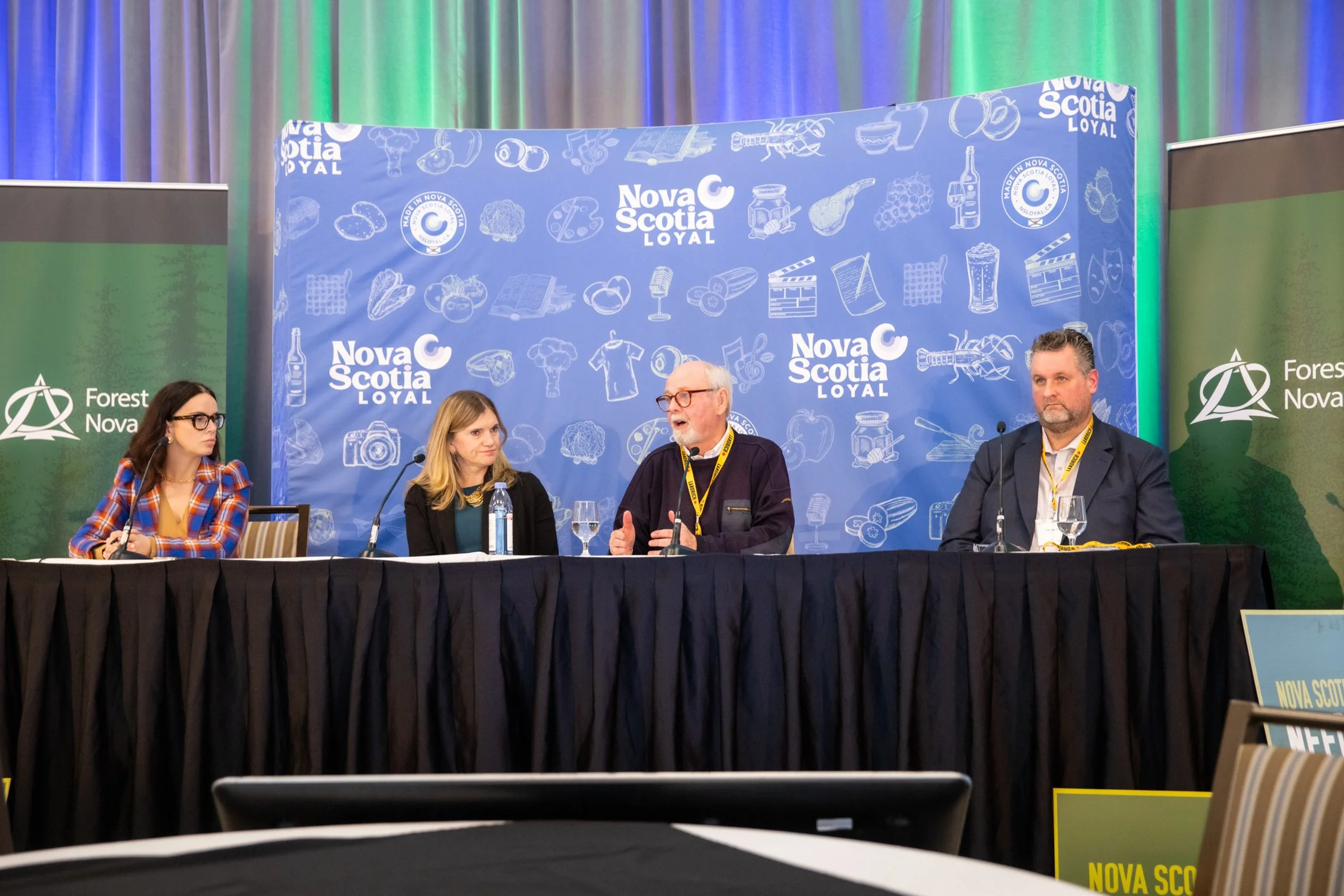
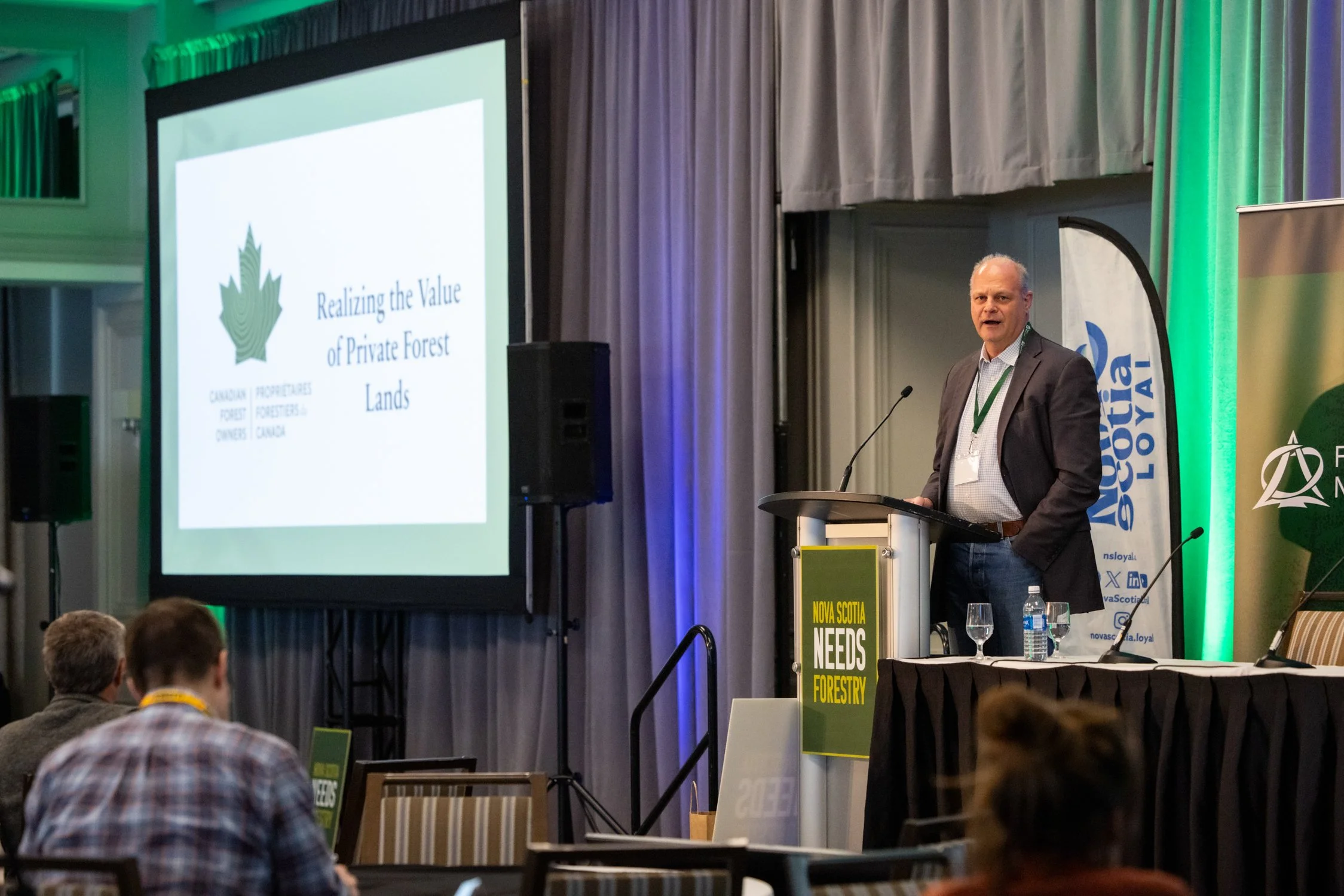
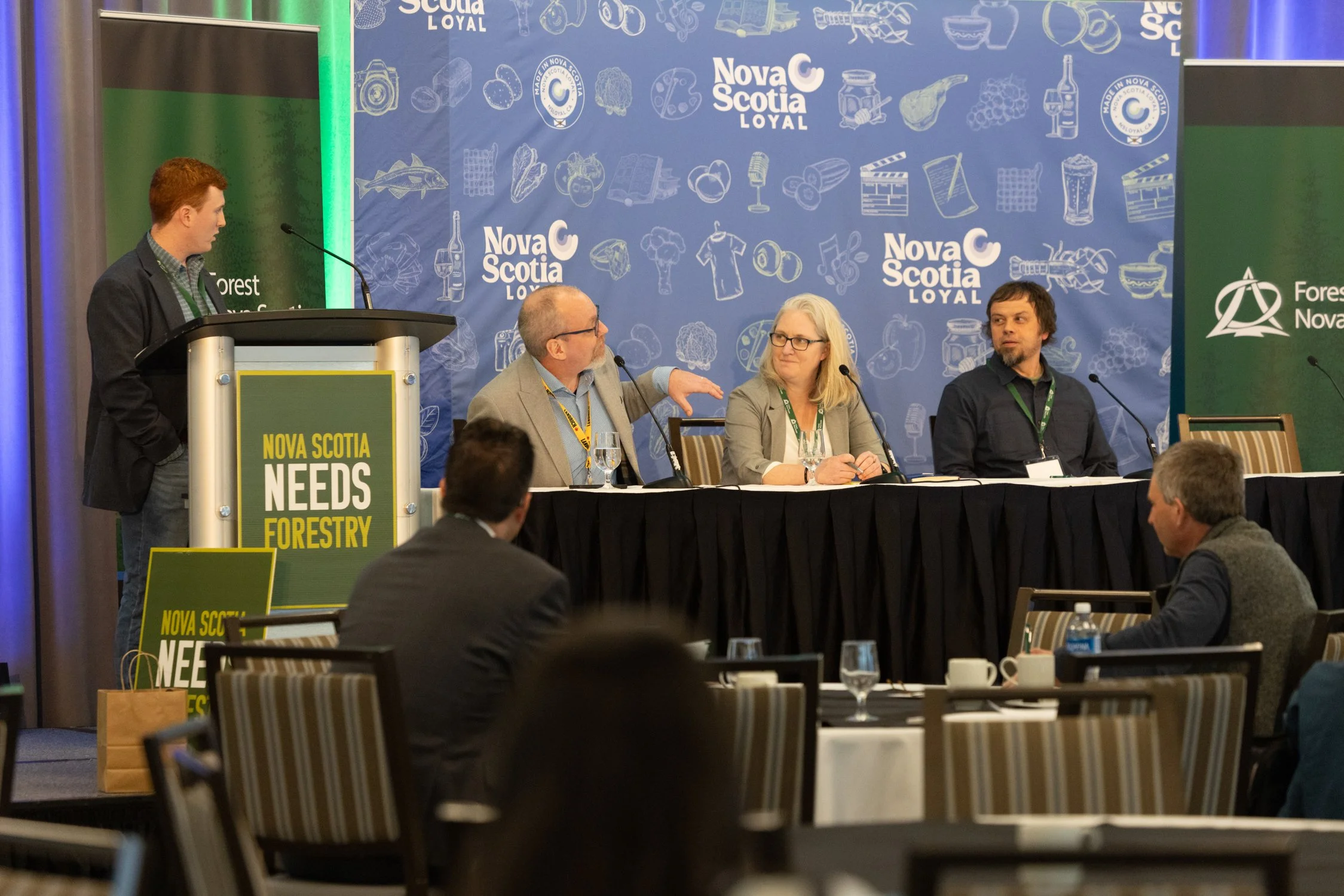
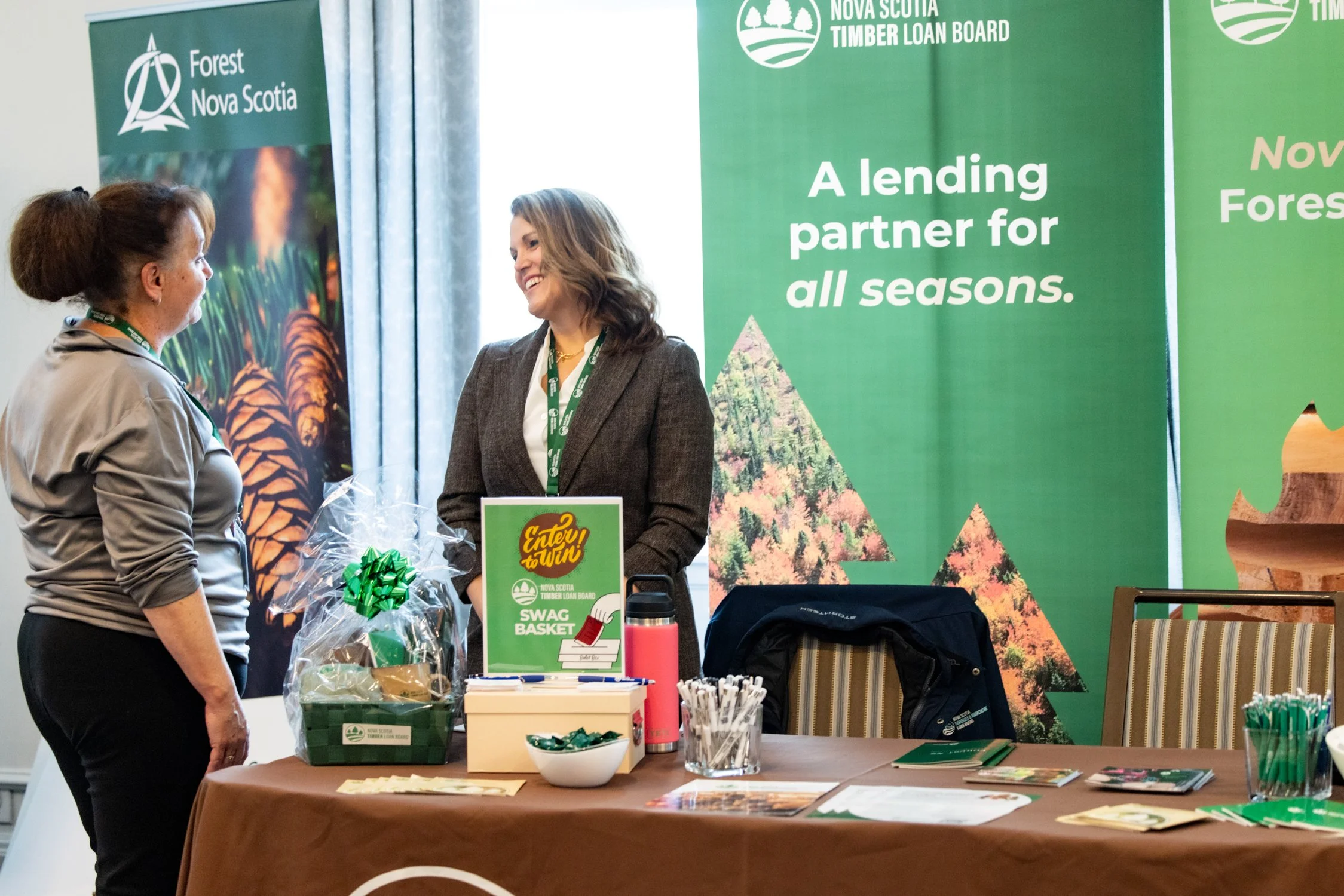
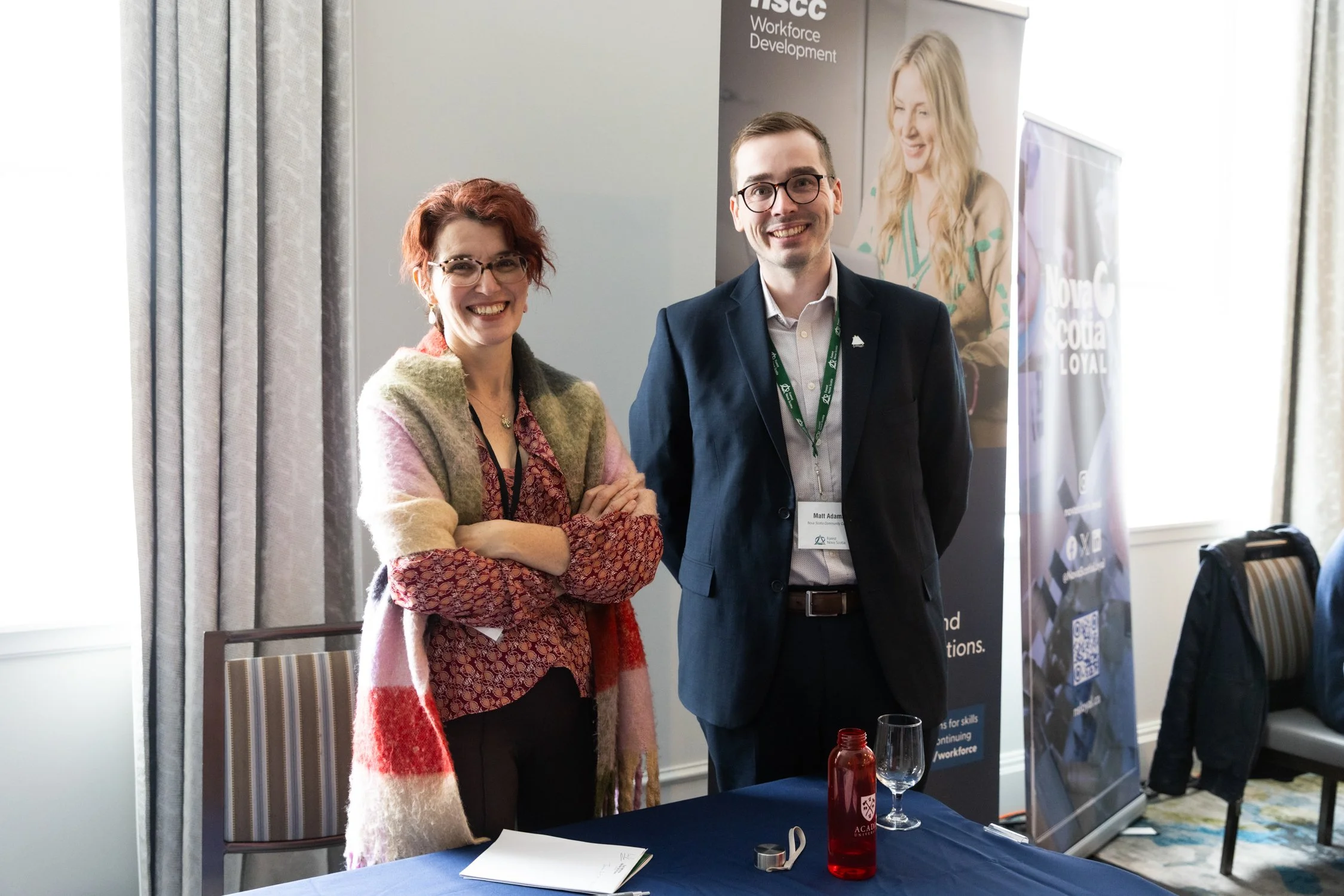
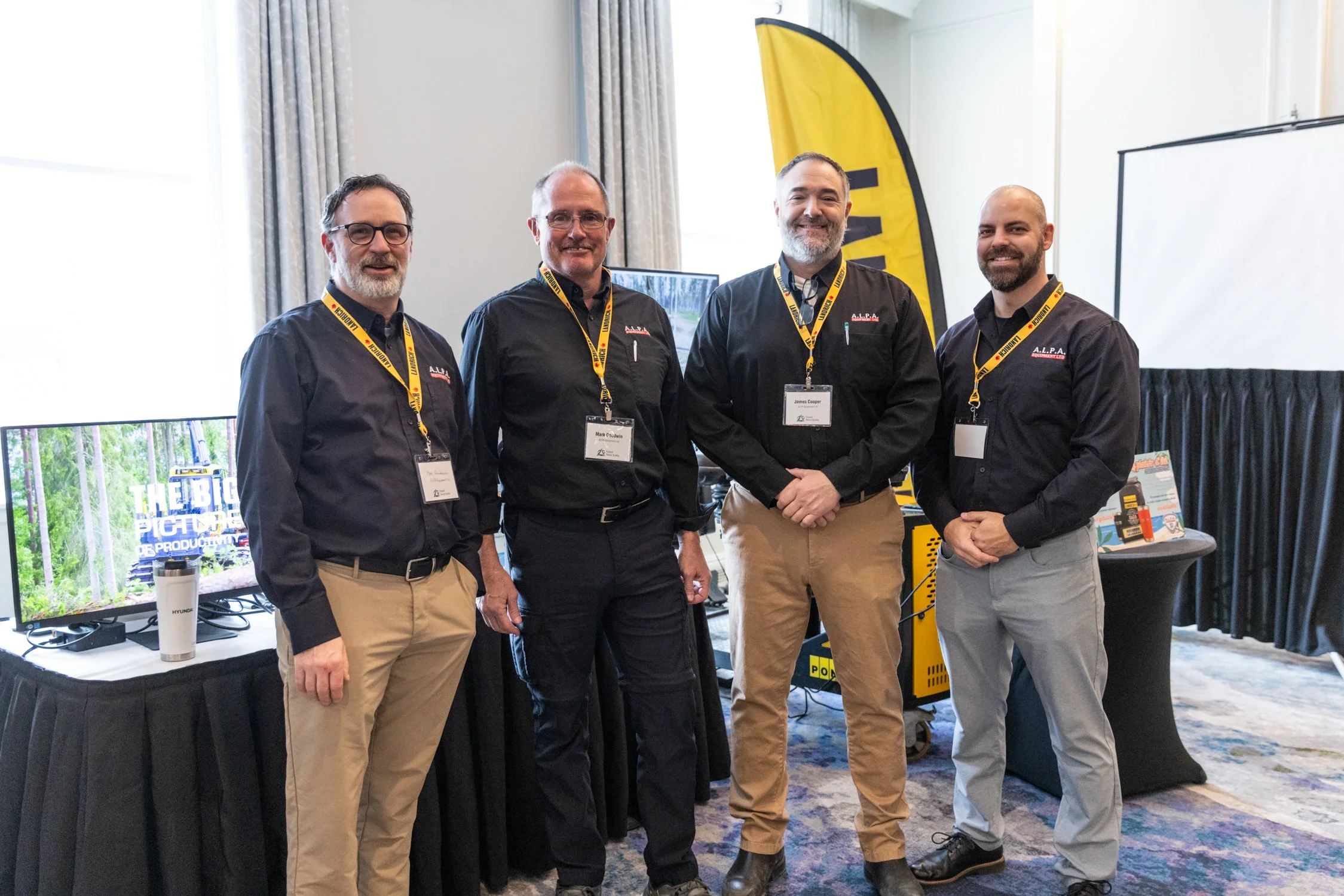
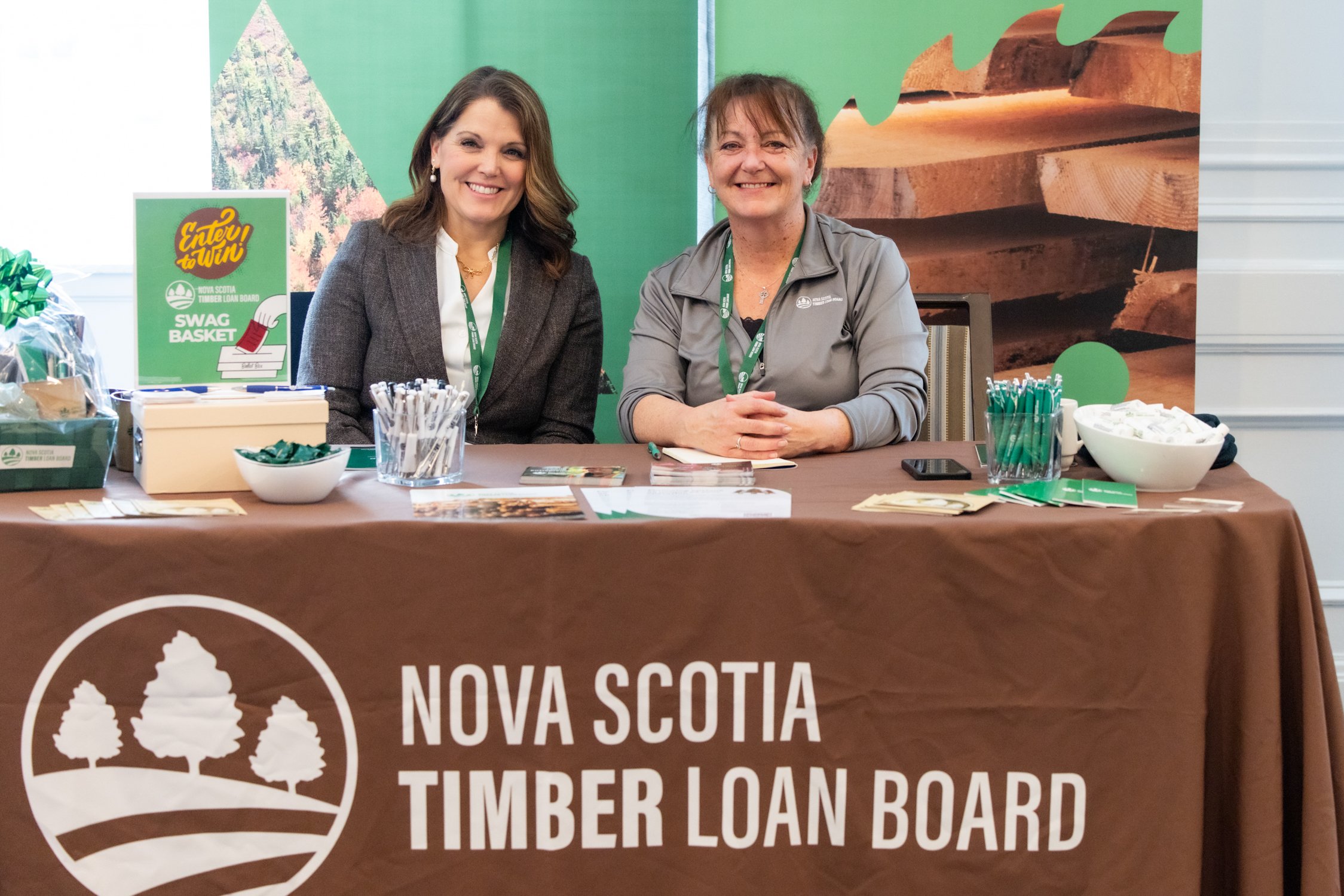
We extend our sincere thanks to our members, guests, speakers, elected officials, demonstration booth participants, and sponsors—whose support plays an important role in advancing and sustaining the forestry sector. Your presence, engagement, and partnership underscore the importance of this work and the shared commitment to building a more connected, resilient forestry community. With renewed insight, strengthened relationships, and shared purpose, the work continues. Thank you for being part of this important conversation.
We look forward to gathering again at the Westin on February 2 and 3, 2027, to continue learning and connecting together.
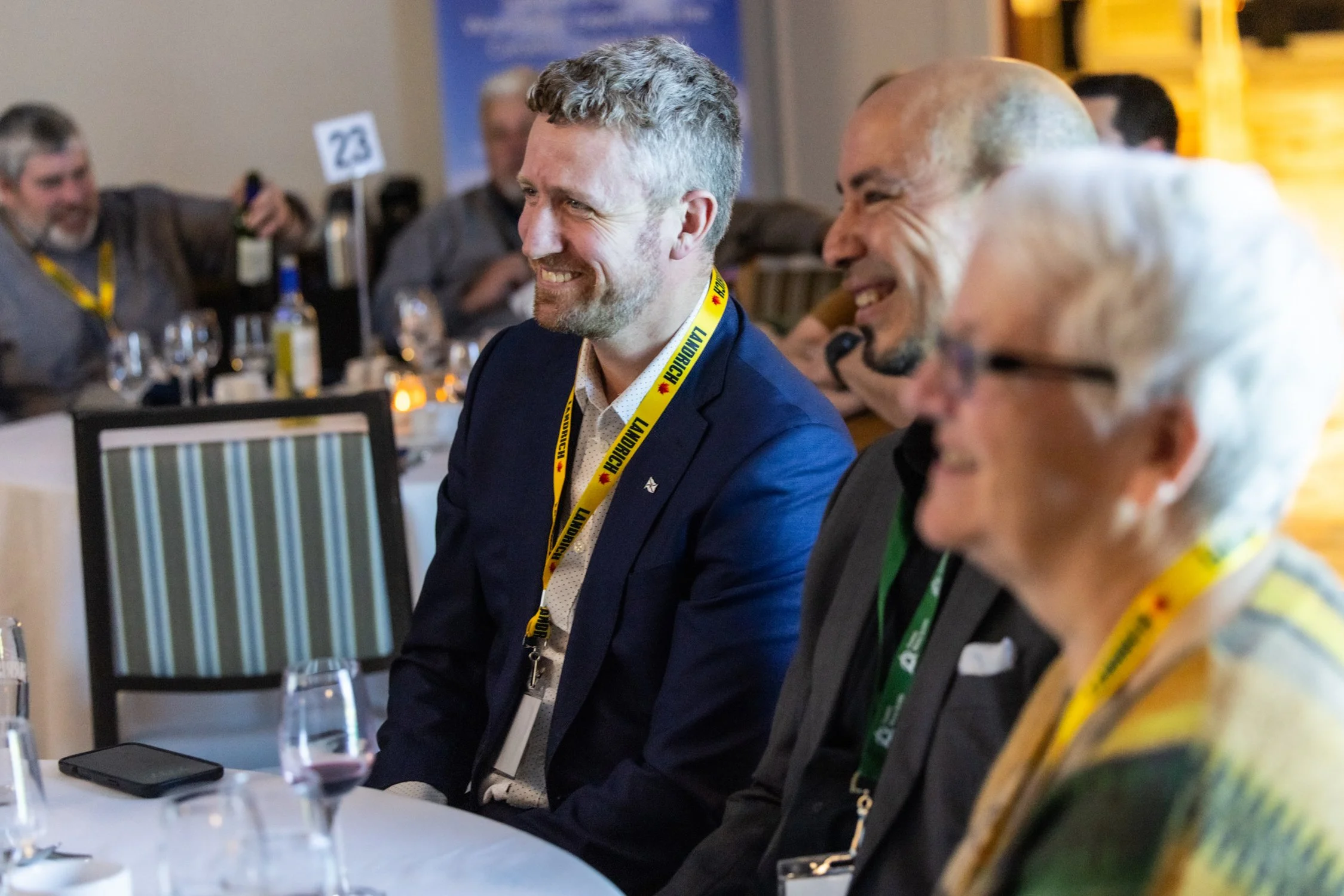
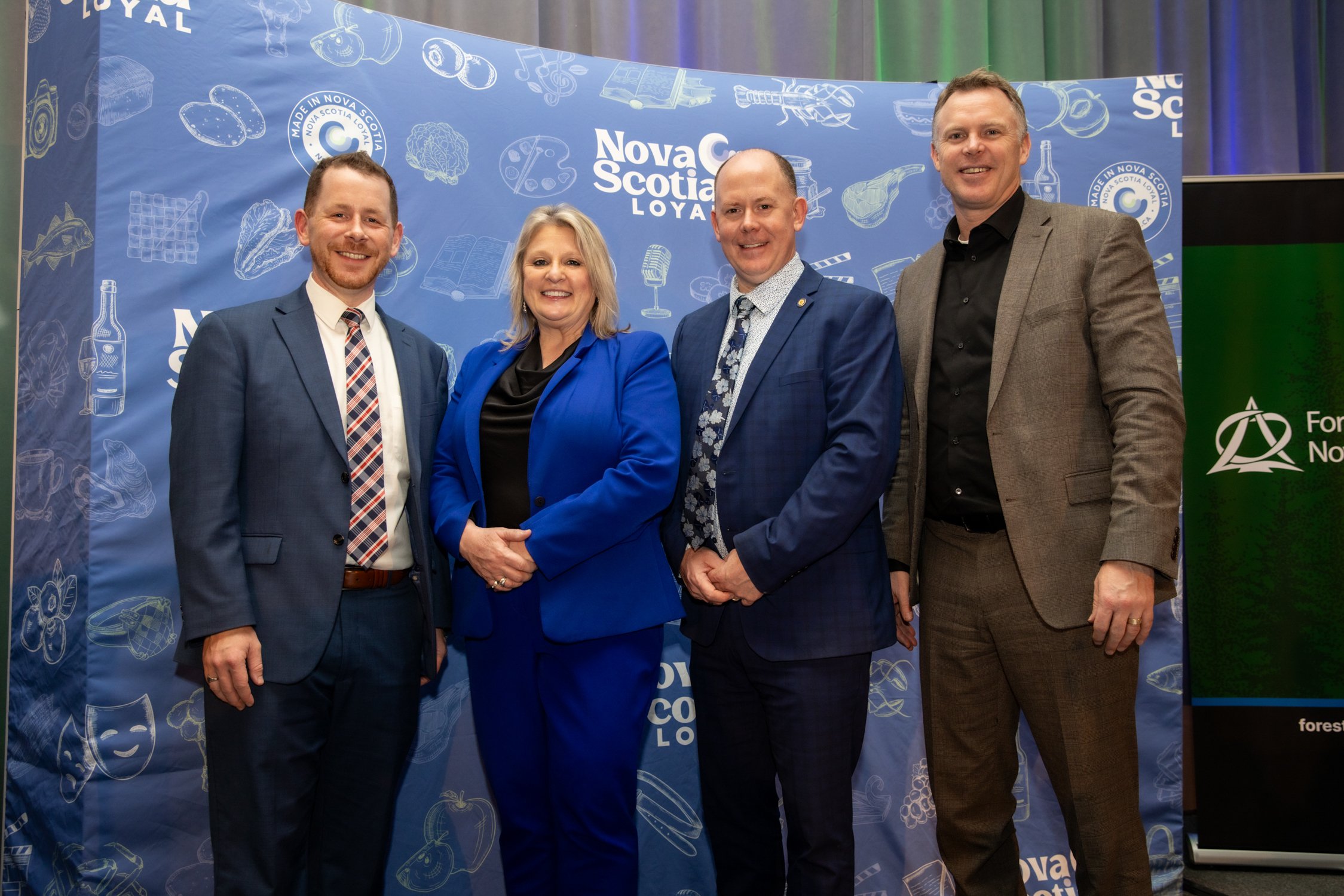












Thank you again to our sponsors:

Log A Load Fundraiser:

A heartfelt thank you to everyone who contributed to our Log A Load Prize Draw at this year’s AGM. Together, we raised $2,400 in support of children and families who rely on these essential services. Your generosity continues to make a real difference.
Log A Load for Kids is an annual campaign that began in 1988, when loggers and others in the forest products community generously donated the value of a load of logs to their local Children’s Miracle Network (CMN) Hospitals. The foundation’s mission is to raise funds to improve children’s health by supporting treatment, education, and research initiatives at CMN Hospitals and other local children's hospitals.
Timberlands to Remain in Nova Scotian Hands
News release from the Government of Nova Scotia
11 December 2025 | 6:19 PM
Natural Resources
A tentative purchase agreement for Northern Pulp’s timberlands is in place following a court-ordered sales process and auction.
Tidnish Holdings Ltd., based in Oxford, will purchase the 173,000 hectares (427,000 acres) for $235 million. Proceeds from the sale will fulfil the 2024 settlement agreement between the Province and mill owner Northern Pulp Nova Scotia, protecting pensioners, preserving ongoing woodland operations and settling provincial debt repayment.
“We are pleased to know that Northern Pulp’s timberlands will be turned over to a Nova Scotia company that has deep roots in rural communities and the economy,” said Kim Masland, Minister of Natural Resources. “We will continue to have interest in how those lands remain available for forestry, though we have confidence they will provide economic and social benefits for generations.”
The Province is the backup bidder, with a commitment of $234 million, and is prepared to purchase the lands if the company is unable to close the deal.
The purchase agreement is subject to court approval, pending a hearing on Tuesday, December 16, in British Columbia Supreme Court.
Quick Facts:
the timberlands span six counties including Halifax, Pictou, Colchester, Cumberland, Guysborough and Hants
the purchased assets include the timberlands and nursery, bridge fabrication assets and contracts and permits
money from the sale will be allocated for expenses related to the sales process, interim financing for Northern Pulp’s operations since 2020, pension plan top-up, $15 million toward the Pictou County mill site, and repayment of provincial debts
the Province is expected to receive about $100 million when the sale closes as repayment of provincial debts
the settlement agreement also resulted in the $450 million lawsuit against the Province being dismissed
Additional Resources:
News Release – Nova Scotia Reaches Settlement with Paper Excellence Group, Sets New Path Forward: https://news.novascotia.ca/en/2024/05/23/nova-scotia-reaches-settlement-paper-excellence-group-sets-new-path-forward
Budget 2025 — Turning Nova Scotia’s Fibre Advantage into Projects
The federal budget delivered practical tools that make clean-growth projects in Nova Scotia truly investable. In this guest contribution, Royden Trainor, Executive Director of GreenspringBio Innovation, explains how new tax credits, clearer procurement signals, and stronger financing align perfectly with the province’s strengths—reliable fibre, mill expertise, and a growing bioeconomy ecosystem.
He highlights emerging momentum across the sector, from mass timber and bioheat to new bioproduct and clean-fuel projects. With policy clarity and strong partnerships the province is well-positioned to turn residues into heat and power, build with more Canadian wood, and create lasting rural jobs.
This guest article was written by Royden Trainor, Executive Director of GreenspringBio Innovation.
Something changed in Ottawa this spring. The federal budget didn’t just talk about a clean economy—it delivered practical tools that lower risk, shorten timelines, and make real projects financeable. For Nova Scotia’s forest sector, that shift lands squarely on our strengths: reliable fibre, mill know-how, and a network of communities ready to turn residues into reliable heat, power, fuels, and high-value wood products.
As outlined in Greenspring’s recent press release, the throughline is clear: targeted investment credits, clearer procurement signals, and financing that closes the last mile. These measures reflect priorities advanced jointly with Forest Nova Scotia, so mills, Indigenous partners, municipalities, and builders can move from proposals to purchase orders with confidence.
“This budget answers the sector’s practical asks—credits for waste biomass, procurement that values Canadian wood, and finance that closes the last mile. With Forest Nova Scotia and our partners, Greenspring will turn these wins into projects that create rural jobs and durable energy resilience.” — Royden Trainor, Executive Director, GreenspringBio Innovation
Here at home, the sector remains a core economic engine. In 2022, forestry generated about $1.8 billion in total economic impact, supported more than 6,400 jobs, and contributed roughly $171 million in provincial and federal tax revenues. Exports exceeded $600 million, and earnings are well above the provincial average—real advantages for rural communities. With targeted growth, analyses suggest the sector can approach $3 billion in annual contribution.
On the policy side, several changes move projects from interesting to investable. The Clean Technology Investment Tax Credit now explicitly covers electricity and heat from waste biomass—retroactive to November 21, 2023—improving the math for mill-site combined heat and power and for institutional bioheat and district energy. The Clean Electricity ITC and a clarified role for the Canada Growth Fund allow clean-power projects to pair investment credits with CGF participation. SR&ED modernization lifts the enhanced 35% limit to $6 million and restores capital eligibility—alongside accelerated capital cost allowance and immediate expensing, including for new manufacturing and processing buildings.
Demand signals are strengthening as well. The Buy-Canadian procurement approach and the Build Canada Homes push prioritize Canadian lumber and mass timber, rewarding Nova Scotia producers and prefab builders. A softwood support package (BDC loan guarantees and renewed NRCan programming) adds resilience, the Trade Diversification Corridors Fund targets logistics pinch points, and workforce funds help retain and recruit talent. For investors, Canada Growth Fund’s carbon contracts-for-difference and work on post-2030 industrial price clarity create the policy predictability that underwrites capital-intensive decarbonization.
Crucially, these federal moves align with the Province’s priorities around natural-resources growth, innovation, and the bioeconomy. You can see momentum in real time: the opening of the Neptune BioInnovation Centre, the announcement of Nova Sustainable Fuels, and a growing roster of opportunities now lining up behind clearer rules, stronger procurement, and bankable finance. This is a strategic alignment of purpose and priorities between industry and government—and it’s tailor-made for Nova Scotia’s strengths.
A special note on Neptune: the new labs in Dartmouth are world-class and designed to be genuinely deployment-oriented—linking discovery, piloting, and scale-up. Developed in partnership with the Verschuren Centre, Neptune equips Nova Scotia with leading-edge analytical and pilot infrastructure that shortens the path from concept to commercial line. Together, Neptune and the Verschuren Centre form a powerful “lab-to-plant” bridge for the province’s burgeoning bio and clean-growth economy.
Equally important is the Verschuren Centre in Sydney, Cape Breton—now Canada’s anchor for pilot-to-demo biomanufacturing. The Centre operates BSL‑1 and BSL‑2 labs, a fully equipped analytical suite, and a bioprocess pilot plant scaling to 1,000 L today with a pathway toward 10,000 L, plus a 6,000 L marine extraction line—capabilities that are unique in the country. Recent provincial and ACOA investments have expanded reactor capacity and automation, while new workforce programs with the community colleges are training the technicians industry needs. This combination—assets, people, and market pull—lets companies de‑risk here and stay here.
Nova Scotia is uniquely well-positioned. Our sawmills generate steady flows of chips, bark, and shavings—reliable inputs for bioheat and CHP near large heat loads on campuses, in health facilities, and in municipal systems. Mass timber and off-site construction can ride the housing wave with faster builds and lower embodied carbon. Deep-water ports and rail at integrated sites enable co-located bioproduct lines. Indigenous loan-guarantee pathways open partnership-based ownership models. And with SR&ED capital back in scope, mills can pair pilot lines with shop-floor innovation—moving from lab bench to line of business.
This direction is echoed nationally. Advanced Biofuels Canada welcomed targeted production incentives that diversify and grow domestic low-emission fuels. The Canadian Renewable Energy Association underscored that finalizing clean-power credits and grid measures sends the investment signal industry needs. Independent voices—the Pembina Institute and the Canadian Climate Institute—said the package sets the stage for predictable, climate-competitive growth. And Ottawa’s Buy-Canadian policy is a direct demand pull for Canadian lumber and mass timber, while mainstream coverage highlighted the federal push to spur domestic biofuels alongside regulatory streamlining.
Looking forward, the bioeconomy is a global growth story measured in the trillions. International analysts put the circular bioeconomy as high as US$7.7 trillion by 2030; Canada’s potential share is estimated at $150–$240 billion annually, driven by forest-based biomaterials, bioenergy, and low-carbon fuels. For Nova Scotia, even a modest fraction translates into meaningful gains in GDP, exports, and rural incomes—especially if we scale mass timber, institutional bioheat/CHP, and bioproduct lines at integrated mill complexes.
“Nova Scotia’s forest sector has the feedstock and the know-how; Budget 2025 brings the missing pieces—clarity on biomass credits, Buy-Canadian demand, and scale-ready finance. Greenspring will lead where we can and partner where we should, so residues become reliable heat and power, mass-timber meets housing needs, and rural communities see steady jobs.” — Royden Trainor, Executive Director, GreenspringBio Innovation
Recent proof points:
• Environmental Assessment registered (Class 1, under review) for the Nova Sustainable Fuels Renewable Energy Park in Guysborough County—targeting sustainable aviation fuel (SAF) and green methanol using biomass and renewable energy; registration Oct 29, 2025 with public comment open to Dec 8, 2025.
• Ocean Supercluster’s $7.2M Microbial Protein for Sustainable Aquaculture project led by DeNova, with the Verschuren Centre (Sydney) and Neptune (Dartmouth)—demonstrating the lab‑to‑plant pipeline in action.
• Province and ACOA funding to Neptune BioInnovation Centre (Dartmouth) to build a first‑of‑its‑kind, multi‑user CMO and precision‑fermentation hub at commercial scale—projected job creation and GDP gains while strengthening domestic supply chains.
• Ledwidge Lumber and Vyertta Renewables’ biofuels project: environmental approval secured and advancing to the next development stages—strengthening Nova Scotia’s residues‑to‑fuels pathway and local value‑add.
We’re already seeing early movers. Atlantic Canada’s first integrated mass-timber manufacturing capacity is taking root, creating skilled jobs and a regional supply for faster, lower-carbon building. Modernized mills in Elmsdale and at Ledwidge are pairing productivity upgrades with residue-to-energy and engineered-wood opportunities. The Port Hawkesbury industrial complex offers deep-water access, rail, on-site utilities, and excess steam—ideal for co-located bioproducts or district-energy customers. And the Verschuren Centre’s pilot-to-demo capabilities de-risk bioproduct and process-innovation scale-up here at home.
Our commitment is to move from policy to purchase orders. In the coming weeks we will: map a first wave of bioheat/CHP and clean-fuels sites to the CT-ITC/CE-ITC + Canada Growth Fund/Infrastructure Bank stack and publish standard term sheets and RFP templates; table a Nova Scotia–focused Clean Fuel Regulations submission on residue eligibility, co-processing crediting, and service standards; publish a Buy-Canadian playbook that documents domestic-content pathways; convene producers, designers, and builders to align mass-timber capacity with demand; and report quarterly on projects advanced, CO₂e avoided, clean heat/power deployed, jobs supported (including Indigenous partnerships), and dollars leveraged.
“By improving after-tax returns and procurement certainty, Budget 2025 shortens timelines and lowers risk. That’s exactly what Nova Scotia projects needed to move from spreadsheets to signed contracts.” — Royden Trainor, Executive Director, GreenspringBio Innovation
Finally, our thanks. Greenspring is grateful for the strategic support and partnership of Forest Nova Scotia, and of the many engaged players across the sector. Together with our ecosystem partners, we will continue to advance the practical policy and regulatory changes that are critical to securing economic, social, and environmental opportunity for Nova Scotia—helping the province move not only from have-not to have, but from follower to leader.
Appendix: References
Forest Nova Scotia. “Forestry Generates $1.8 Billion in Economic Impact (2022).” Gardner Pinfold analysis summary.
Government of Nova Scotia (DNRR). Forest sector GDP and exports—provincial statistics and addenda.
FPAC. “Forest Sector Measures in Budget 2025.” (PDF).
Advanced Biofuels Canada—Budget 2025 reaction (production incentive).
Canadian Renewable Energy Association—Budget 2025 statement (clean power & investment signals).
Pembina Institute—Budget 2025 analysis (climate competitiveness).
Canadian Climate Institute—commentary on Climate Competitiveness Strategy.
Public Services and Procurement Canada—“Buy Canadian” procurement approach (policy notice).
ACOA news release: Establishing Canada’s first large-scale bioinnovation centre (Mar 20, 2025).
Province of Nova Scotia news release: Province invests in Canada’s first-of-its-kind Bioinnovation Centre (Apr 22, 2025).
Life Sciences Nova Scotia: Establishing Canada’s first large-scale bioinnovation centre (Mar 25, 2025).
Verschuren Centre – What We Do (facility characteristics and services).
Invest Nova Scotia: Service Provider Profile – Verschuren Centre (pilot scale and marine extraction lines).
ACOA news release: Supports clean tech growth in Cape Breton (capacity increase).
Nova Sustainable Fuels Renewable Energy Park – Environmental Assessment Registered (Class 1, Oct 29, 2025).
Nova Sustainable Fuels project website (EA registration and project overview).
Canada’s Ocean Supercluster: $7.2M Microbial Protein for Sustainable Aquaculture (DeNova + Verschuren Centre + Neptune).
We Are Aquaculture: coverage of the Ocean Supercluster project announcement (Jun 13, 2025).
Ledwidge Lumber & Viterra Renewables—biofuels project environmental approval (company statements / NS ECC registry).
Greenspring Press Release: Budget 2025—Practical Signals for Nova Scotia Projects (Release.docx).
This guest article was written by Royden Trainor, Executive Director of GreenspringBio Innovation.

Industry Workforce Training Needs Study
The Forestry Sector Council is gathering input to shape training programs that build opportunities, improve accessibility, and keep the sector resilient, sustainable, and future-ready.
The Forestry Sector Council is gathering input to shape training programs that build opportunities, improve accessibility, and keep the sector resilient, sustainable, and future-ready.
We know the industry is feeling stretched and facing challenges right now. It may feel like one more survey is the last thing you need—but this Training Needs Assessment is different. For years, training has been designed based on what we “hear” is needed, and too often that has led to courses with empty seats and missed opportunities.
Why should you and your employees take the survey?
Quick and anonymous—takes 10 to 15 minutes
Open to all roles in the supply chain—harvesting, silviculture, forest management, trucking, road building, mills and non-profits.
Help us better promote and improve access to existing training, and leverage funding opportunities
Schedule training opportunities closer to communities that need it
Inform the development of new programs for emerging needs and technologies
Strengthen entry-level supports so workers stay and grow their careers
Currently, training needs and offerings in our sector have largely been guided by hearsay and anecdotal input. This has led to challenges. By gathering clear, evidence-based data directly from employers and workers, we can ensure that training programs are targeted, relevant, and effective.
We appreciate your leadership in this effort. Please take the survey today, share it with and encourage your staff to do the same, and help us build the training supports our sector needs for the future.
Survey delivered in partnership with the Nova Scotia Department of Labour, Skills, and Immigration.

From Storm to Support: How a Nova Scotia Woodlot is Rebuilding After Fiona's Devastation
In the heart of Nova Scotia, a multi-generation woodlot owned by Angela and Tom Reid stands as a symbol of both devastation and resilience. After Hurricane Fiona tore through the province in 2022, many communities were left reeling—none more so than those whose livelihoods depend on sustainable forestry. For the Reids, the storm was more than a natural disaster; it was a heartbreaking setback in a decades-long legacy of stewardship.
In the heart of Nova Scotia, a multi-generation woodlot owned by Angela and Tom Reid stands as a symbol of both devastation and resilience. After Hurricane Fiona tore through the province in 2022, many communities were left reeling—none more so than those whose livelihoods depend on sustainable forestry. For the Reids, the storm was more than a natural disaster; it was a heartbreaking setback in a decades-long legacy of stewardship. The family has undergone some recent health issues that have changed their ability to personally work on the woodlot themselves. Both of Tom and Angela’s children (Chris and Rachel) have passed away in recent years, leaving few options for their legacy to be left within the family.
Their family woodlot was first owned by the descendants of the Reid family since 1760, but it suffered extensive blowdown during Fiona. Mature trees were snapped or uprooted, roads were blocked, and the landscape was left in disarray. Despite his dedication to forest health and sustainable management, Tom was unable to care for the woodlot on his own. Some riparian areas along streams have never been harvested, but Tom believes in active forest management knowing that trees do not live forever.
The damage didn’t fully qualify for the initial Fiona Assistance Program through the Department of Natural Resources and Renewables (DNRR) and the Association of Sustainable Forestry (ASF), leaving them without the financial resources needed to hire contractors. The result? Cleanup became economically unfeasible, and the nomination the Reid’s received for Woodlot Owners of the Year was respectfully declined by Tom, as the property no longer reflected the condition they had worked so hard to maintain.
Sadly, their story is not unique. Across Nova Scotia, Hurricane Fiona caused widespread destruction to private woodlots, particularly in eastern and central regions. It’s estimated that tens of thousands of hectares were impacted, leaving many landowners with an overwhelming mess and few options with significantly reduced markets for the low quality wood that hurricanes leave behind. But out of hardship has come community.
Friends, neighbors, and fellow forestry advocates have begun rallying around the Reids, offering their time, equipment, and support to help with cleanup and restoration. The response has meant a great deal to the couple.
Forest Nova Scotia’s Executive Director, Todd Burgess, has visited the property to assess the situation firsthand.
Burgess has encouraged them to apply for the 2025 Gas Tax Access Road Program, emphasizing that access is a crucial first step in the recovery process. Without it, it's difficult to clean up, harvest safely, or begin replanting. The program is designed to support landowners, like the Reids, as they work to rebuild on a more resilient path forward. For woodlot owners still reeling from storm damage, this type of assistance can be a turning point.
Paul Gilbert from the ASF has secured funding to help with the recovered blowdown and local contractors, David and Julia MacMillan, are making efforts to see the blowdown is cleaned up and brought roadside. Other companies, organizations and people like Chris MacIntyre from DNRR are ensuring that our latest storm does not stop the Reid’s stewardship hopes.
The road to recovery will be long, but there is hope. And with the community behind them, Tom and Angela are showing that even after the worst storms, a strong root system—of both trees and people—can help a forest to continue growing.


New Nova Scotia Environmental Assessment Changes
New environmental assessment changes reinforce commitment to fight climate change and move to clean economy.
On May 8th, 2025, Forest Nova Scotia’s Executive Director, Todd Burgess, joined the Minister of Environment and Climate Change, Timothy Halman, as he announced changes to environmental assessments that support the province's transition towards a clean economy.
Changes include:
Creating a clear path for clean energy projects by moving them to the Class I process.
Streamlining the process for biomass projects, thereby creating new opportunities for the province’s forestry sector.
Making the environmental assessment process easier to understand for both companies and the public.
Adding 10 days to the Class I consultation period for the public and Mi’kmaq.
Climate change is now listed in the Minister’s decision factors – this includes both the positive and negative impacts of a project on climate change.
The modifications aim to streamline regulatory processes for low-risk biomass projects, attract investment in the forestry sector, uphold environmental protections, and reflect input from the public and the Mi’kmaq. These changes indicate that the government is dedicated to fostering a successful and sustainable forestry economy.


Driving Forward Together: Uniting Nova Scotia's Forestry Sector for a Brighter Future
The revitalized Transportation Committee stands as a testament to the power of collaboration, enabling the forestry sector to advocate effectively for crucial changes that benefit both the industry and the community.
In 2020, Nova Scotia's forestry industry faced a pivotal moment. When the Northern Pulp Mill (Domtar) closed its doors in January, it sent ripples through the sector, leading to job losses, disrupted supply chains, and financial struggles for independent harvesting contractors. It was a turbulent time, but a strong response emerged amidst the challenges.
Enter the Forestry Economic Task Force (the Task Force)—a dedicated coalition of industry leaders and stakeholders who came together to sculpt a new economic roadmap to sustain existing benefits and unlock growth potential for Nova Scotia’s forestry sector.
Led by Executive Director Harvey Gray, a 30-year veteran of the forestry sector, the Task Force embarked on a thorough exploration of our industry’s viability, first using committee-informed research and analysis. The area studies included research into fibre supply availability, stakeholder perspectives, and opportunities in emerging markets, like solid wood products and bioproducts. These extensive studies helped shape the Task Force's official document, "A Roadmap for Growth and Prosperity.”
While many of the recommendations that surfaced in the early research would take time to realize, many, mainly related to transportation, could have significant and immediate benefits for not only the forestry sector but any sector with substantial reliance on ground transportation in manufacturing or distributing products. Of most significance, the increase in Allowable Gross Vehicle Weight (AGVW) on existing configurations, the introduction of new configurations, and the accelerated review and reclassification of road weight tolerances were key recommendations from the Task Force’s research. The research phase confirmed that many of these recommendations had direct improvements in cost and efficiency, traffic safety, workforce, and emission reduction.
Despite the clear benefits, changing transportation practices isn't as simple as it seems. Initially, multiple sector voices advocated for different priorities. “As an industry, we knew we needed to speak as one voice to decrease any confusion on the sector's priorities,” Gray acknowledged.
So, in the summer of 2024, Forest Nova Scotia and the NS Forest Contractors Association revitalized the Forest Products Provincial Transportation Committee – last active in 2022. The committee is now made up of representatives from across the forestry industry, including members from the Task Force, Forest Nova Scotia, NS Forest Contractors Association, several wood products manufacturers, and Gray as the committee Chair. “Using one united voice, we can present industry-backed priorities to government for action, supported by solid review and analysis,” says Gray. This collaborative effort is not just about resolving transportation concerns; it’s about building a resilient and thriving forestry sector that benefits everyone in the broader community.
Gray states, “The reformation of the Transportation Committee serves to further re-enforce the strength in a collaborative effort. By working together, we will pave the way for long-term growth and innovation in Nova Scotia's forest industry.”
Together, through unity and collective action, we can ensure a better future for our forestry sector and the entire province. Continuous improvements lie ahead with ongoing collaboration, and we are excited to see the positive impact unfold for all Nova Scotians!

Forest Nova Scotia Tariff Updates
View the latest updates on US tariffs
As you are likely aware, the ongoing trade tensions provoked by the United States, particularly regarding tariffs on forest products, are increasingly impacting our industry.
The recent 25% levy on Canadian goods including forest products pose challenges that we must address collectively.
In these uncertain times, it is imperative that we try to diversify our markets and seek opportunities beyond our traditional American partner. Strengthening our export capabilities to other regions will be crucial not only for the sustainability of our industry but also for the livelihoods of the communities, contractors, woodlot owners, mills and employees dependent on forestry. Maintaining export capacity at all Canadian ports, including the port of Halifax will be paramount in supporting the forest sector and Nova Scotia forest producers.
As we do not know how long these unfair and illegal tariffs will last, I urge all members to unite and actively participate in discussions on how we can navigate these challenges effectively. Your engagement will be key in fostering collaborations with stakeholders and government initiatives to mitigate these impacts.
To stay informed about the latest developments, I encourage you to review the updates provided in the links below.
Together, we can work towards safeguarding our industry and ensuring the long-term viability of forestry in Nova Scotia. Forest Nova Scotia is here to support you and to fight for our sector.
Thank you for your commitment and collaboration during this challenging time.
Todd Burgess, Executive Director, Forest Nova Scotia
Links to the Latest Developments
Province of Nova Scotia:
“Donald Trump is a short-sighted man who wields his power just for the sake of it, not having any consideration for the destructive impact of his decisions on both Canadians and Americans. It is impossible to properly describe the uncertainty and chaos that President Trump’s threat of tariffs and now actually imposing tariffs has caused for Canadians. “
- Premier Tim Houston
Government of Canada:
“Canada is being needlessly and unfairly targeted by these tariffs – and the U.S.’s decision leaves us with no choice but to respond to protect Canadian interests, workers and businesses.“
- The Honourable Dominic LeBlanc, Minister of Finance and Intergovernmental Affairs
Forest Products Association of Canada:
“Today, we stand with our federal government and provincial and territorial Premiers in support of a swift counter-response, including a comprehensive and responsible plan to support impacted employees, businesses, and communities until the President reverses his decision.”
- Derek Nighbor, President and CEO of FPAC
World Trade Organization:

2025 Forest NS AGM Recap
The 2025 Forest Nova Scotia Annual General Meeting successfully brought together the community during a time of significant uncertainty. With active participation from members and stakeholders, we shared valuable insights and engaged in important discussions about the future of our sector. Thank you to our guest speakers, attendees, sponsors, and organizers who contributed to making this event so meaningful.


AGM Summary
The Forest Nova Scotia Conference 2025 was held at the Halifax World Trade and Convention Centre, focusing on key issues in the forestry sector. The event began with a timely discussion on U.S. tariffs featuring Angela Houston, Executive Director of Trade and Economic Policy at Nova Scotia Intergovernmental Affairs, and Douglas Ledwidge, Ledwidge Lumber. This was followed by remarks from Todd Burgess and Jocelyn Taylor Archibald.
The first keynote presentation was delivered by David Coletto from Abacus Data, who discussed the effects of inflation and scarcity on political opinions in Canada. Stephen Crabbe from Crabco Inc. then addressed the role of mass timber in economic growth and sustainability in Nova Scotia. A panel discussion moderated by Tyler Cameron featured Nancy Dicks from Heat New Glasgow, Andrew Parsons from Simply Blue Group, and David Boulard from Ensyn Technologies Inc., focusing on the significance of low-grade wood for forest health.
On day two, Dave Reynolds provided insights into legal and succession planning in the forestry sector, followed by Derek Nighbor, who shared the challenges and opportunities facing the industry. Rod Badcock presented on Nova Scotia's bioeconomy, while Dr. Jamie Stephen outlined strategies for a sustainable energy future.
The conference concluded with a panel discussion featuring Amanda Lynds from the Nova Scotia Teachers Board and Matt Benzanson from the University of New Brunswick. They discussed the future of forestry, emphasizing the importance of education, funding, and collaboration. Overall, the event successfully fostered dialogue among industry leaders on pressing forestry issues.
Congratulations to all AGM Award Winners
Stewardship Awards
James Tomkins - Highland Pulp Ltd.
Stephen Cole - ArcFor Ltd.
Tom and Judy Mailman
Stephen Marsters - Timberland Holdings Ltd.
Mac Davis - MacDav Forestry Consulting
Angus Bonnyman - 3315033 NS Ltd.
Andrew McMullin - Guysborough Line Logging
David and Julia MacMillan - MacMillan Forestry Inc
Jason Casey - JC Contracting Ltd.
John Demont - Woodlot Owner
Kevin Corkum Memorial Safety Award
Trevor and Laura Schmidt - Bushwhackers Forestry Ltd
Don Eldridge Memorial Forest Stewardship Award
Matt Willet - Forester
Log A Load Fundraiser:
Thank you to everyone who contributed to the $1600+ raised during our Log A Load Prize Draw.
Log A Load for Kids is an annual campaign that began in 1988, when loggers and others in the forest products community generously donated the value of a load of logs to their local Children’s Miracle Network (CMN) Hospitals. The foundation’s mission is to raise funds to improve children’s health by supporting treatment, education, and research initiatives at CMN Hospitals and other local children's hospitals.
Innovation: The way to sustainability
The forestry sector is always looking at sustainability and waste management while also looking at how to make it more affordable and attainable, even for the smaller woodlots. In episode 4 of our Forestry Uncut podcast, you met Joe Lewis of BioBurn Pros, a company dedicated to transforming the way biomass is managed. Joe is part of a growing movement hoping to revolutionize the biomass processing industry.
The forestry sector is always looking at sustainability and waste management while also looking at how to make it more affordable and attainable, even for the smaller woodlots. Traditional methods like open burning or leaving wood waste to decompose naturally have significant environmental drawbacks. While open burning releases harmful pollutants and greenhouse gases, unmanaged waste can attract pests, spread disease, and increase the risk of wildfires. The unsustainable approach makes it challenging for our industry to balance productivity with environmental responsibility.

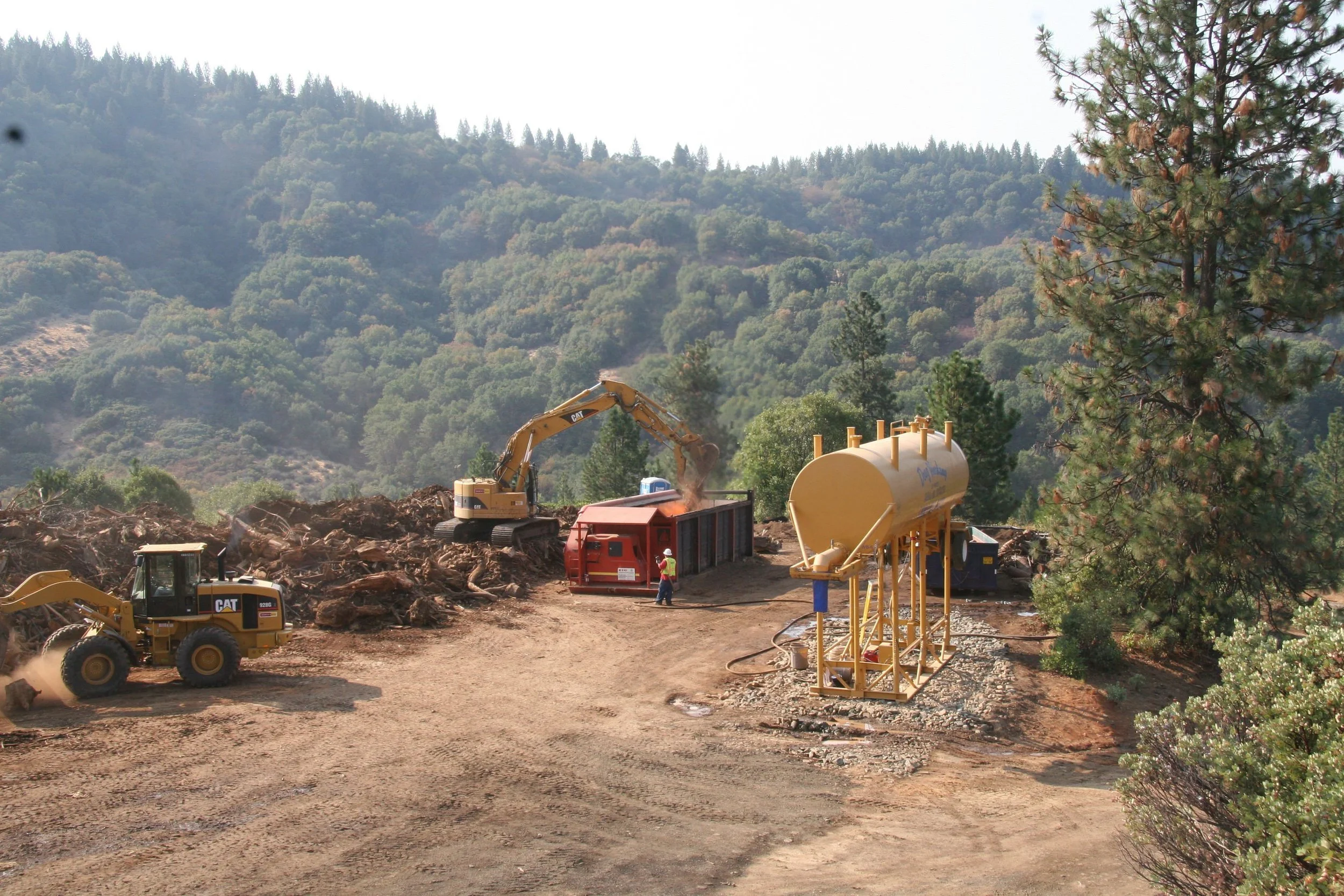
* photo credit: https://www.bioburnpros.ca/
In episode 4 of our Forestry Uncut podcast, you met Joe Lewis of BioBurn Pros, a company dedicated to transforming the way biomass is managed. Joe is part of a growing movement hoping to revolutionize the biomass processing industry.
Here’s an example of how the technology Joe is using helps the forestry sector with sustainability: Air curtain burners offer a variety of benefits, particularly for forest management. One of the primary advantages is the significant reduction in air pollution. The air curtain effectively traps smoke and particulate matter, preventing harmful pollutants from being released into the atmosphere..
Beyond pollution control, BioBurn Pros’ technology helps preserve forest health by swiftly disposing of wood waste, which can attract pests and diseases. The controlled burning process also lowers the risk of accidental wildfires. As with any process or new technology, there are some downsides. Other competing companies can produce bi-products that may be more valuable or have some greater efficiencies from utilising this excess wood waste, but those facilities can take larger investments and a longer time to build. In the meantime, Joe’s technology works and is operational as we write this blog post.
Joe will tell you he specializes in reduction, “Elimination and reduction is the best. So, you know, we're a biomass processing company, but really what we specialize is reduction, we reduce biomass to a biochar, 99%, reduce processes, we reduce emissions, reduce capital expenditures.”
The forestry sector faces critical challenges in balancing sustainability with cost-effective waste management. Innovative solutions like BioBurn Pros’ air curtain burners, as highlighted by Joe Lewis in our Forestry Uncut podcast, are paving the way for a more sustainable and affordable future. As the industry continues to evolve, adopting these forward-thinking approaches will be key to achieving long-term sustainability and productivity.

The Growing Impact of Wind
There’s no doubt that a changing climate impacts the forestry sector. From heavy snow and ice to droughts and wildfires, it can feel like we’re always trying to recover. The growing frequency of wind events is the latest to impact our forests.
There’s no doubt that a changing climate impacts the forestry sector. From heavy snow and ice to droughts and wildfires, it can feel like we’re always trying to recover.
The growing frequency of wind events is the latest to impact our forests.
David McMillan of McMillan Forestry says, “Because we're in a province that gets way more wind events, we've had significant blow down occur in the last two big winds that we had this winter. Those were not hurricane-rated winds. When you listen to the experts, they'll talk about how Nova Scotia, PEI, we get 150 more wind events than New Brunswick or Maine.”
(We speak with David’s wife and business partner, forester Julia McMillan in Episode 2 of our podcast, Forestry Uncut.)
While not always classified as hurricanes, high wind storms can cause severe damage, particularly in the form of blowdowns where entire sections of forests are felled by strong winds.
Because Nova Scotia is, essentially, stuck in the Atlantic Ocean, McMillan says, “We've got to modify what we're doing and come up with a model to manage our forests sustainably and ecologically in such a way that it's hurricane-proof.”
The challenge has broad implications. Wind damage not only devastates standing forests—disrupting ecosystems and reducing the economic value of timber—but it also undermines progress made in ecological forest management, such as the recommendations in 2018’s Lahey Report.
New forest management models must take into account the frequency and intensity of wind events, with a focus on enhancing forest resilience.
This could involve diversifying tree species, changing planting densities, or altering harvest practices to reduce the risk of blowdowns. Sometimes these alternate forest management practices may not look as nice or as clean as we would like.
These changing weather patterns are not normal, so it is important to note that a woodlot owner’s response to management may not look normal either.
Therefore, it may be important for people to realize when they drive by a woodlot in their area, that there is more at play when it comes to making forest management decisions.

Forest Nova Scotia aims to give away 20,000 seedlings to Nova Scotians
Our Trees campaign works with communities and elementary schools to educate about the forestry sector and support a more sustainable future for generations to come.
Brookfield, NS September 25, 2024 –
Today, Forest Nova Scotia launched its second annual Our Trees campaign, intending to give Nova Scotians 20,000 tree seedlings to plant and help continue cultivating the sustainability of the province's forests.
To coincide with the campaign launch, Forest Nova Scotia is releasing its new Forestry Uncut podcast series dedicated to uncovering the raw truths and realities of the forestry sector.
The Our Trees campaign aims to educate Nova Scotians on the industry’s sustainable forestry practices and involve communities across the province in a sustainable initiative that can also be a fun family activity.
“Nova Scotia’s forestry sector is focused on the long-term sustainability of our forests. The Our Trees campaign is a way for Nova Scotians to join us in these efforts while creating memories with their family planting and nurturing the growth of the seedling,” said Todd Burgess, Forest Outreach Coordinator, Forest Nova Scotia.
The inaugural 2023 campaign resulted in 16,000 seedlings being planted across Nova Scotia. These seedlings are on track to eliminate 35 tons of carbon from our atmosphere, supply clean air for 100,000 people daily, and facilitate 1.0 million gallons of water evaporation, mitigating flood risks.
Nova Scotians are encouraged to visit www.OurTrees.ca to reserve their seedlings. In late September and early October, they will be distributed to farmers’ markets and schools across the province. The Our Trees campaign will be featured across multiple social and digital media platforms.
Paper Excellence Canada is providing financial support and donating 20,000 seedlings from its Debert, Nova Scotia nursery, for the Our Trees campaign. The hardwood and softwood seedlings include red spruce, yellow birch, and sugar maple trees.
“Whenever a Nova Scotian looks at a tree they planted as part of this campaign, they will be reminded of the importance of our trees and forests,” said Burgess.
Forest Nova Scotia has also launched a new Forestry Uncut podcast series. The 10-part series, hosted by award-winning broadcaster Erin Trafford, delves into the world of forestry, dispelling myths and highlighting the vital role it plays in solving some of the biggest environmental challenges we face today.
As of today, listeners can listen to, subscribe to, and download the first three Forestry Uncut podcasts on major podcast platforms, including:
About Forest Nova Scotia
Forest Nova Scotia is the largest forestry organization in Nova Scotia. Our members include woodlot owners, sawmills, contractors, and pulp and paper companies. Collectively, we plant more than 12 million trees per year, and our products help lock carbon away for decades. We offer services and programs to those in the forest sector and work with members, the public, and the government to create the conditions for the forest and the forest economy to thrive. Learn more about Forest Nova Scotia at www.ForestNS.ca.
Media Contact:
Gillian Reid
902-456-1513
Gillian@forestns.ca
"When I Say Forest…You Say?"
Episode 3
In this episode, we explore the unexpected connections and challenges within the forestry sector in Nova Scotia. From the intriguing tale of an Indian elephant in 1967 to the complexities of labour markets in rural forestry, we uncover how international cooperation, public perceptions, and economic hurdles shape the industry.
In this episode, we explore the unexpected connections and challenges within the forestry sector in Nova Scotia. From the intriguing tale of an Indian elephant in 1967 to the complexities of labour markets in rural forestry, we uncover how international cooperation, public perceptions, and economic hurdles shape the industry. Key insights come from Kent Dykeman, a seasoned forester, and Robert Prinz, a Finnish forestry expert, who discuss the need for innovation and collaboration. Heather Boyd from the Forestry Sector Council highlights the financial challenges of training and retaining forestry workers.
*Note to listener: Since the recording of this episode Stephen Moore is no longer the Executive Director of Forest Nova Scotia.
Key Takeaways:
Perception vs. Reality in Forestry: Public perception often sees trees as sacred, unlike other renewable resources, complicating the acceptance of sustainable forestry practices.
Unexpected Historical Tidbits: An elephant brought from India to Nova Scotia in 1967 for a promotional stunt sheds light on historical international cooperation in the forestry sector.
Labour Market Challenges: Both Canadian and Finnish forestry sectors face difficulties in attracting and retaining workers in rural areas, with young people preferring urban living.
Financial Barriers to Innovation: Training forestry workers is costly, and the financial burden often falls on individual business owners, posing significant economic risks.
The Need for People in Forestry: The forestry sector's growth is heavily dependent on people, and without addressing labour and innovation challenges, the sector's potential to combat climate change may be hindered.
Guests:
Kent Dykeman
Robert Prinz, Senior Scientist, Luke Natural Resources Institute Finland https://www.luke.fi/en
Heather Boyd, Executive Director, Forestry Sector Council https://forestrysectorcouncil.ca/about-us/#bod
Forestry Uncut is produced by Story Studio Network. www.storystudionetwork.com/

Benjamin Bridge Supports Forestry Education

Nova Scotia winery Benjamin Bridge is supporting forestry education in the province. Through a fundraising initiative with the Nova Scotia Forestry Association, the sector's charitable arm. This effort will see Benjamin Bridge contribute to a scholarship program that will support Nova Scotians as they pursue a career in forestry.
Up to $40 per case goes towards fundraising efforts. There are five specialty cases of wine featured in the fundraiser:
Cellar Specials
Nova Scotia Favourites
Three different low to no-alcohol cases
You can purchase these cases at the winery or online.
When you purchase online, you can enjoy flat-rate shipping across Canada and complimentary delivery in the Halifax and Wolfville areas twice weekly. You can also order online and pick it up at the winery.
Place your order for the Canada Day long weekend by clicking the button below.

From Nova Scotia to Finland: Growing Relationship Will Benefit the Sector

Finland and Nova Scotia governments signed a cooperation agreement to help the forestry sector grow.
The agreement will help:
The traditional forestry sector
Nova Scotia increase the use of biomass and district heating
Train more Nova Scotians to work in forestry
Find new uses for forest fibre and waste
At the time, Forest Nova Scotia executive director Stephen Moore said, “As an organization, we want to ensure the sector is ready to capitalize on the opportunities created by this agreement.”
“We want all the forestry groups to sit at the same table to discuss how we can take action to help the sector grow,” added Moore.
Nova Scotian delegates included Stephen Moore (Forest NS), Todd Burgess (Forest NS), Ian Ripley (Athol), Geoff Clarke (Port Hawkesbury Paper), Dennis Boulet (Port Hawkesbury Paper), and Matt Bezanson (forestry student).
June 2024 Trade Mission

Todd Burgess (left) and Matt Bezanson (right).
Earlier this month, six Nova Scotians joined a trade mission hosted by Business Finland. The participants viewed the latest training and technology being developed in Finland. Forestry student Matt Bezanson also joined us.
On the trade mission, the Nova Scotia delegation visited and met with officials at the headquarters of Stora Enso, UPM, Valmet, and others. These visits focused on future uses for forest fibre and waste, paving the way for a more sustainable future. Research is working on turning forest fibre into batteries, materials for wound care, and textiles for more sustainable clothing.

Delegates visited the headquarters of Ponsse, the leading manufacturer of forestry equipment. While at Ponsse, guests spoke with company leaders, toured its facilities, and saw how the company helps make foresters more productive and efficient.
Productivity and efficiency are central to the Finnish forestry sector. The trade mission visited Riveria, Finland’s leading forestry training institute. While Ponsse designed and tested its equipment to ensure maximum efficiency, the training institute was detail-focused, and its philosophy focused on producing operators who were as efficient as humanly possible.
Just one example is how Riveria tracks eye movements. Students at Riveria have their eyes tracked using technology. This happens because students can shave seconds off each movement by tracking how they view a work site. Over time, these seconds add up and amount to substantial savings every year.
What’s Next?
Forest Nova Scotia plans to bring other forestry groups together with representatives from Business Finland. By working with the other groups, Forest NS plans to identify concrete steps it can take to benefit Nova Scotia forestry and strengthen our relationship with Finland.
“We value our Finnish friends,” said Forest Nova Scotia executive director Stephen Moore. “We want to see the sector band together in Nova Scotia so we can work with representatives in Finland.”
Moore said Forest Nova Scotia will provide its members with ongoing updates on the steps it is taking to work with Business Finland as it grows the sector in Nova Scotia.

Why Nova Scotia Needs a Mill

News that Paper Excellence and the Province of Nova Scotia reached a settlement agreement is welcome. This positive development could see over $1 billion invested in rural Nova Scotia and create hundreds of jobs. These jobs can lift families out of poverty, make home ownership a realistic goal, and reduce our province's rampant reliance on food banks.
Economic Impact
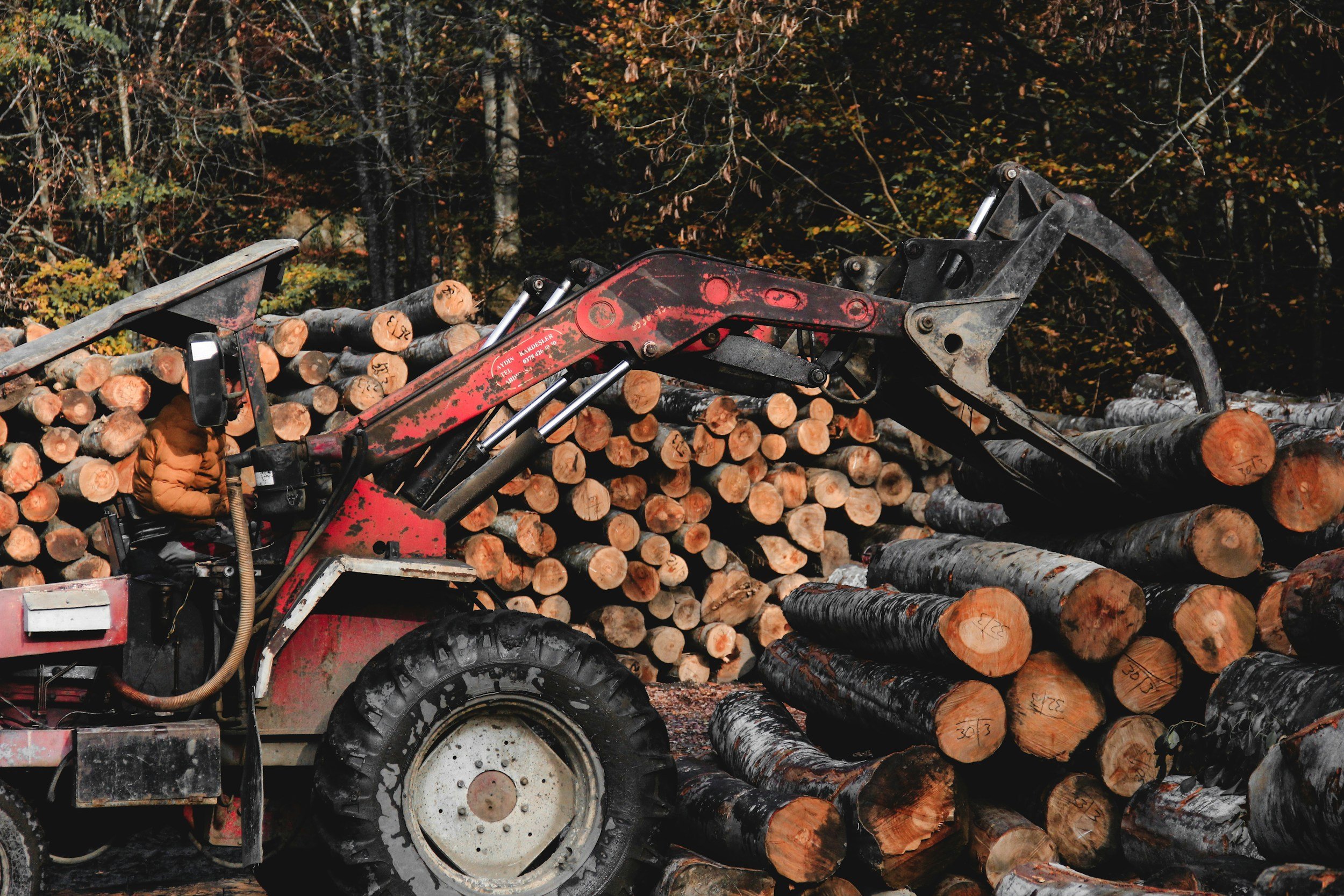
An economic impact assessment showed that forestry jobs pay well above the provincial average. It found that the direct employees at the mills earn an average income of $66,500. The average income for those employed in indirect activities, including forestry and support services, is $58,200. Nova Scotia’s average income is just over $43,000.
These jobs are also green. In Nova Scotia, the forestry sector takes more carbon out of the environment than it emits. We plant more than 12 million trees per year, around eight million trees are regrown annually on the land we manage, and the products we produce lock carbon away, preventing its release into the environment.
Moreover, a mill is an essential part of ecological forestry. The province tasked Professor Bill Lahey with reviewing forestry practices. His report showed what Nova Scotia needs to do to implement ecological forestry on Crown land.
Under the ecological forestry model, Crown lands are divided into three groups: conservation areas where no activity happens, areas where we can perform light touch forestry like thinning, and areas dedicated to tree farming. Only 10 percent of Crown land can be used for tree farms.
If the mill in Liverpool moves forward, it will become a major buyer of what the sector calls low-grade wood or fibre. This is material that comes from thinning, removing downed trees, or the leftovers from lumber production. Lahey’s report argued that we need new markets for this material.
Scare Tactics Won’t Work
Unsurprisingly, professional activists want to block this important development and spread disinformation about the state of our forests.
Each year, the Province of Nova Scotia produces a Registry of Buyers Report, which outlines harvest levels and economic activity in the province.
According to the latest report, total harvests are dramatically down. In 2005, we harvested over 6 million cubic meters. In 2022, this number fell to 2.6 million cubic meters. In less than 20 years, harvest rates declined substantially. When placed in historical context, these harvest levels are nearly at all-time lows. The last time we harvested this amount was in 1937.
This means we are harvesting one-third of what can be harvested sustainably. There is plenty of room for forestry to grow without sacrificing the health of our forests.
New Mill, New Tech
A new mill will also bring the latest technology. Gone are the days of smelly emissions and heavy use of clean water. The latest mills reduce odour and water use. They also reduce the waste they produce. For example, the newest mill in Finland purifies wastewater and repurposes waste into new products such as biogas and pellets.
We can bring hundreds of good-paying jobs to rural Nova Scotia. These jobs are greatly needed. In Nova Scotia, over 20 percent of children live in poverty. Whenever we let professional nay-sayers chase away good jobs, we are further locking families into a cycle of poverty and denying them the opportunity for a better life.

Court Approves Paper Excellence’s Settlement

Last week, the Province of Nova Scotia and Paper Excellence announced they reached a settlement agreement.
The deal means the company has withdrawn a $450-million lawsuit against the province and will start its feasibility study to determine whether there is a business case for a mill in Liverpool, Nova Scotia.
Click here to learn more about the settlement agreement and Paper Excellence’s plans.

Not Your Grandfather’s Mill

Äänekoski mill in Finland
Last week, Paper Excellence announced a settlement with the Province of Nova Scotia. If the BC Supreme Court approves the settlement, the company will begin a feasibility study to see if a new mill in Liverpool makes sense. If the mill moves forward, it will mean hundreds of good-paying forestry jobs and over $1 billion in investment.
This is massive news because a new pulp mill has not been constructed in North America for over half a century.
Images of North America’s aging mills paint an unflattering picture of what a pulp mill looks like today. Anyone who says a new mill will look, smell, or function like one of the old mills is lying to you. As Paper Excellence begins exploring the feasibility of a new, modern kraft pulp mill in Liverpool, Nova Scotia, Nova Scotians need to know what a mill for the 21st century is like.
4 Things to Know About A New Mill
1. Goal is to eliminate odour
Modern kraft mills look very different from older mills. New technology minimizes odour so the surrounding community and workers do not have to live with the smell.
2. Reduce waste by turning it into a product
Wastewater treatment significantly improved, as well. Older mills only managed effluent by using screening and settling ponds. New mills use far-improved wastewater treatment plants. These facilities not only purify the wastewater but also repurpose byproducts into biogas and pellets, as seen in the Äänekoski bioproduct mill in Finland.
Turning waste into commodities changes a mill's economics, reduces its environmental footprint, and further shows how the sector is dedicated to creating green business opportunities.
3. Reduced water usage
Modern pulp mills also focus on reducing water usage, a critical aspect of sustainable operation. Water recycling and management innovations have allowed mills to reduce the amount of freshwater needed from natural sources drastically. This conserves precious water resources and lessens the strain on local ecosystems. By implementing these water-efficient practices, the new generation of pulp mills sets a precedent for industrial water conservation, further demonstrating their commitment to environmental stewardship and sustainable development.
4. Sustainably sourced fibre
The mill will also source its fibre from sustainably managed forests, ensuring adherence to the highest forestry practices. This move aligns with initiatives like the Lahey Report for ecological forestry in Nova Scotia, aiming to make sustainable forestry a lived reality.
Our sector prides itself on its sustainable practices. A new mill will adhere to the highest environmental standards. Modern mills are not just production facilities; they are clean, safe workplaces for skilled operators and a testament to the balance that can be achieved between industrial demands and environmental responsibility.
New Mill, New Jobs
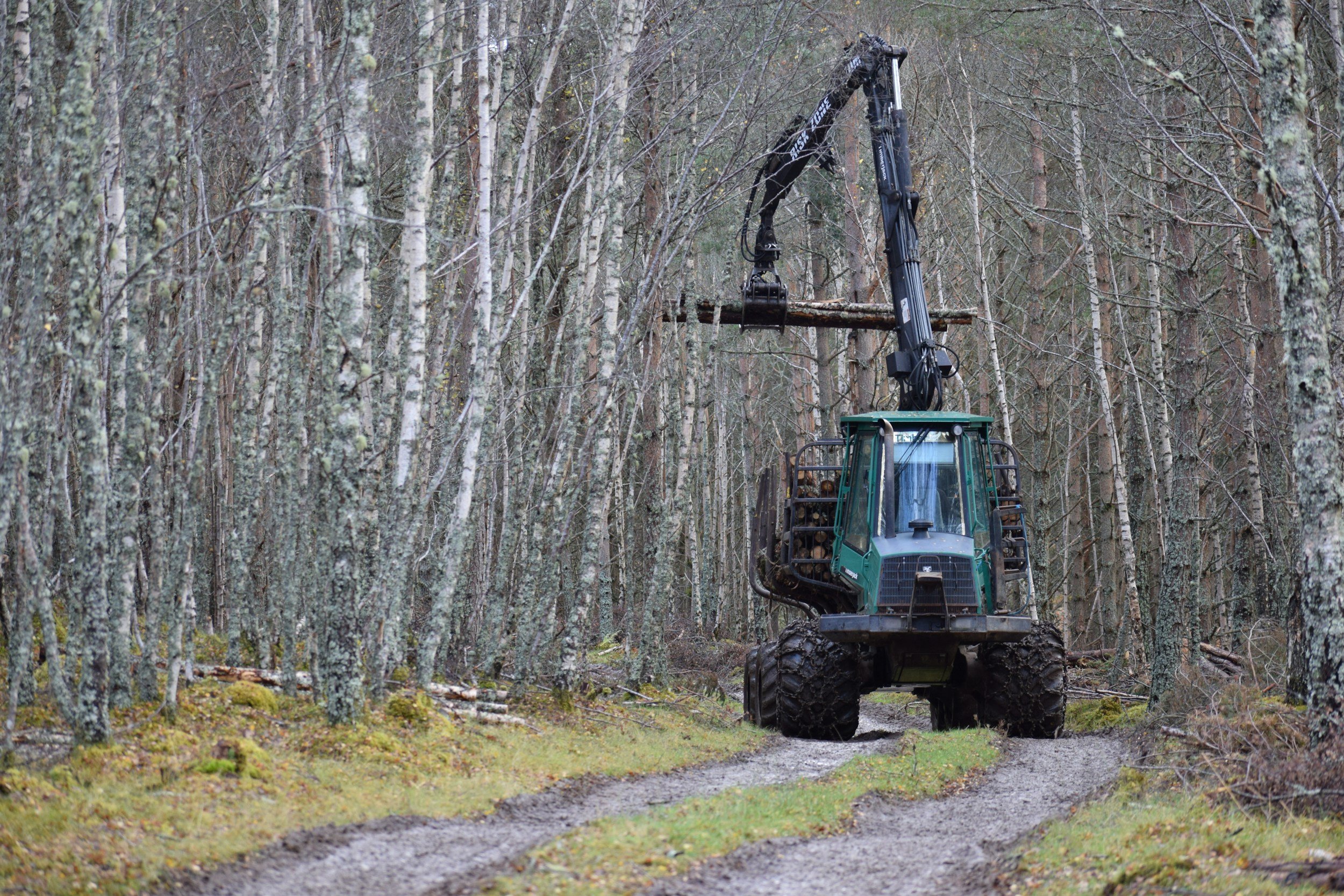
New mills bring new, green jobs. These jobs are year-round jobs that pay well above the provincial average.
The Forestry Economic Task Force released an economic impact assessment for the forestry sector. It found that:
The direct employees at the mills are well-paid, with an average income of $66,500.
The average income for those employed in indirect activities, including forestry and support services, is $58,200.
Nova Scotia’s average income is just over $43,000.
Better still, these jobs are green. Research shows that our sector removes more carbon from the environment than it emits, and we plant over 12 million trees annually.
Don’t Fall for the Scare Tactics
Professional activists are spreading misinformation and turning their backs on ecological forestry and rural Nova Scotians. Environmental activists Ray Plourde and Mike Lancaster spoke to CBC, saying a new mill was unnecessary and the forests could not support it. Both statements are false.
Professor Bill Lahey produced a report that said markets for low-grade wood, the material that a new pulp mill will use, are essential to ecological forestry. Initially, activists endorsed the report. In 2021, Plourde, the Health Forest Coalition, and other environmental activists complained that ecological forestry took too long to implement.
Those same professional activists are trying to block efforts to bring ecological forestry to Nova Scotia.
When activists try to block new markets for low-grade wood, we harm the forest’s productivity and health. This means:
More downed trees will be left to dry out and rot, adding to wildfire risk.
More than 20,000 woodlot owners cannot make enough money to manage their woodlots properly.
Hundreds of jobs are lost, as are the opportunities created by those jobs.
The forestry’s ability to sequester carbon is limited.
Our forests can sustain a new mill.
According to the latest data, total harvests are dramatically down. In 2005, we harvested over 6 million cubic meters. In 2022, this number fell to 2.6 million cubic meters.

Source: 2023 Registry of Buyers Report (Nova Scotia Department of Natural Resources and Renewables)
In less than 20 years, harvest rates declined substantially. When placed in historical context, these harvest levels are nearly at all-time lows.

Source: 2023 Registry of Buyers Report (Nova Scotia Department of Natural Resources and Renewables)
The last time we harvested this amount was in 1937.
New Mill, New Opportunities

Our province has one of the worst-performing economies in North America and some of the highest child poverty rates in Canada. You cannot watch the news without hearing about a cost-of-living crisis, a housing crisis, and an increase in food bank use.
Government spending cannot solve these problems alone. These problems get solved when good-paying jobs are created.
A new mill will bring new jobs. These jobs can lift families out of poverty, make buying a home a real possibility and help future generations of Nova Scotians stay here to live and work.

Activists Turn Their Backs On Commitment To Ecological Forestry

Following news that Paper Excellence is eyeing Liverpool for its new home, environmental activists began spreading disinformation. Worse still, they turned their backs on ecological forestry and rural Nova Scotians.
Environmental activists Ray Plourde and Mike Lancaster spoke to CBC, saying a new mill was unnecessary and the forests could not support it. Both of these statements are completely false.
Worse still, their statements show they are turning their backs on ecological forestry in Nova Scotia.
Ecological Forestry: An Overview

In 2018, Professor Bill Lahey released an independent review of forest practices in Nova Scotia, which outlined the triade forestry model.
Under this model, Crown lands are divided into three groups:
Conservation areas
Matrix zones - places where things such as light thinning can happen
Tree farms - where forestry can continue
Under this model, only 10 percent of Crown land can be used for tree farms.
Ensuring each zone exists and functions properly is important for the forest, the provincial economy, and forestry families who rely on forestry for their livelihoods.
Environmental Activists Initially Endorsed The Report
Initially, activists endorsed the report. In 2021, Plourde, the Health Forest Coalition that Lancaster represents, and other environmental activists complained that ecological forestry was taking too long to implement.
At the time, Plourde said, “We demand an immediate suspension of all logging on Crown lands until the government is ready to actually implement the recommendations of Lahey’s 2018 report …”
He went from demanding immediate action on Lahey’s report to demanding key sections of the report be ignored. By trying to block the mill, Plourde is trying to block the development of a new market for low-grade wood. Lahey’s report argued that we need new markets for low-grade wood from thinning, downed trees, or the leftovers from lumber production.
Lahey noted a lack of buyers for this material, “[There is] a significant loss in the regionally based demand for low‐quality wood, much of which could be sold as pulpwood. This results in an absence of buyers of wood from woodlots in the region having a significant percentage of low‐quality wood, or an absence of buyers willing to give the owners of these woodlots a value for their low‐quality wood that is acceptable to the owners.”
He also noted that much of Nova Scotian forests are not managed, possibly because of the lack of customers to sell to. According to Lahey, “My conclusion is that the low productivity of Nova Scotia forests stems from the fact that much of the forest is not really managed at all, due either to landowner choice or to the lack of opportunity or incentive available to landowners.”
When activists try to block new markets for low-grade wood, we harm the forest’s productivity and health. This means:
More downed trees will be left to dry out and rot, adding to wildfire risk.
More than 20,000 woodlot owners cannot make enough money to manage their woodlots properly.
Hundreds of jobs are lost, as are the opportunities created by those jobs.
The forestry’s ability to sequester carbon is limited.
Lancaster Misleads on Harvest Levels
Mike Lancaster, the coordinator of the Healthy Forest Coalition, doesn’t think another mill is necessary. He said the forests cannot support another mill, which is false.
“It is immoral and unacceptable for a professional activist to celebrate the loss of good-paying jobs,” said Forest Nova Scotia executive director Stephen Moore. “The mill's closure cost 500 families their livelihoods, yet he says their jobs are unnecessary.”
“Worse still, he’s actively spreading misinformation,” added Moore.
The Province of Nova Scotia produces a Registry of Buyers Report each year. This report outlines harvest levels and economic activity in the province.
According to the latest report, total harvests are dramatically down. In 2005, we harvested over 6 million cubic meters. In 2022, this number fell to 2.6 million cubic meters. In less than 20 years, harvest rates declined substantially.
Source: 2023 Registry of Buyers Report
When placed in historical context, these harvest levels are nearly at all-time lows. The last time we harvested this amount was in 1937.
Source: 2023 Registry of Buyers Report
We are harvesting approximately one-third of what is sustainable, and less than one percent of our forests are harvested yearly.
Forestry Jobs Are Green Jobs

The sector harvests trees and plants them. Each year, Nova Scotia forestry professionals plant 12 million trees, and an additional 8 million more are regrown naturally on land we manage.
Because of our tree planting and forest management activities, forestry removes more carbon from the environment than it emits.
And they are good-paying jobs. An economic analysis prepared for the Forestry Economic Task Force shows:
The direct employees at mills are well-paid, with an average income of $66,500.
The average income for those employed in indirect activities, including forestry and support services, is $58,200.
Nova Scotia’s average income is just over $43,000.
Activists Are Not Experts

Both Plourde and Lancaster embraced Lahey’s recommendations. They went from calling for faster implementation of ecology forestry to actively blocking key recommendations. They cannot be trusted to guide public policy or to have reasonable, grown-up discussions.
Nova Scotia’s economy is the worst-performing economy in North America, and we have some of the worst child poverty rates in Canada. We are facing serious challenges and problems.
We can only solve these problems when serious people have grown-up conversations.
Are you a woodlot owner? Do you want a better future for forestry families? If so, become a member today.

Mayor Jim Ryan Celebrates Loss of Hundreds of Jobs
Town of Pictou Mayor Jim Ryan celebrated the loss of hundreds of forestry jobs. The Town of Pictou didn’t receive tax revenue from Northern Pulp, so the mayor’s statements are unsurprising.
He called the loss of hundreds of good-paying jobs “transformational” and added, “We have a fair bit of both housing and commercial development happening in the town since then.”
Just how well is the Town of Pictou doing?
Town of Pictou Struggles

Image from Town of Pictou report.
The Town of Pictou published a draft of its Integrated Community Sustainability Plan. The document is a snapshot of the town’s financial and economic health. Things are not good.
According to town staff, “Generally, the Town of Pictou has a declining population, has seen a recent substantial residential assessment growth (relating mainly properties selling/removal of cap), has a slowly growing commercial tax base, consistent tax rate, improving but still deficient asset replacement program and a divergent population age.”
This means:
Fewer people shoulder an increasing tax burden
More commercial development is needed
The latest Financial Condition Indicators Report, produced by the Province of Nova Scotia, says the Town of Pictou is aging and notes a five-year population decline of -7.3 percent.
The report states, “Pictou’s median household income is lower than the provincial town average, and it has decreased since 2011.” The report also noted, “The Town of Pictou’s employment rate is below the provincial town average.”
The report concludes that the town is a moderate risk: “This means that while the Municipality has some challenges, it is considered moderate risk for fiscal instability.”
This means the Town of Pictou is in worse shape than most towns in the province.
Poverty High in Pictou County

Chart taken from Canadian Centre for Policy Alternatives report.
According to a report from the Canadian Centre for Policy Alternatives, over 21 percent of children in Pictou County live in poverty. That number is up by 10.7% since 2020.
In September 2023, Barb O’Hearn from the Pictou County East Food Bank told Saltwire, “It’s the working-class man that is coming to the food bank and has never had to come before.” Last year, the organization helped approximately 2,000 people monthly.
Development Subsidized By Other Regions, Behind Schedule
The mayor told CBC about the development underway in the town. However, he told XFM that the town’s largest development project is behind schedule.
“Looking ahead, Ryan said the council hoped to be a bit further ahead with some of its major projects with respect to the waterfront plan in the town, noting they are behind.”
Moreover, the town has repeatedly noted it will rely on funding from other levels of government to fund its development plans. According to a presentation the town’s staff developed, its total development plans will cost $35.9 million.

Chart taken from Town of Pictou report.
Its plans depend on receiving $22 million in grants from other levels of government. This means the town needs 61% of development funding from elsewhere to meet its goals.
It is common practice for towns and municipalities to use funds from other levels of government. However, this mayor celebrated the loss of jobs and industry. It is very hypocritical for a mayor to celebrate the loss of industry while expecting other levels of government, who benefit from industry, to dedicate money to its projects.
Good-Paying Jobs Needed
Here’s what we know:
The province says the Town of Pictou is in worse shape than most towns.
The Town of Pictou itself says things aren’t good - more people will have to shoulder a larger tax burden, and there isn’t enough commercial development.
Child poverty is a growing problem.
Its development plans depend on seasonal, service and tourism-focused jobs.
This is not a plan that will solve the town’s problems.
The mayor celebrated the loss of hundreds of forestry jobs. These are full-time, year-round jobs that pay well. The direct employees at mills are well-paid, with an average income of $66,500. The average income for those employed in indirect activities, including forestry and support services, is $58,200. Nova Scotia’s average income is just over $43,000.
Instead of celebrating the loss of these jobs, the town should be looking to attract industry.