
Forest Nova Scotia AGM 2026: Building Knowledge, Connection, and Momentum
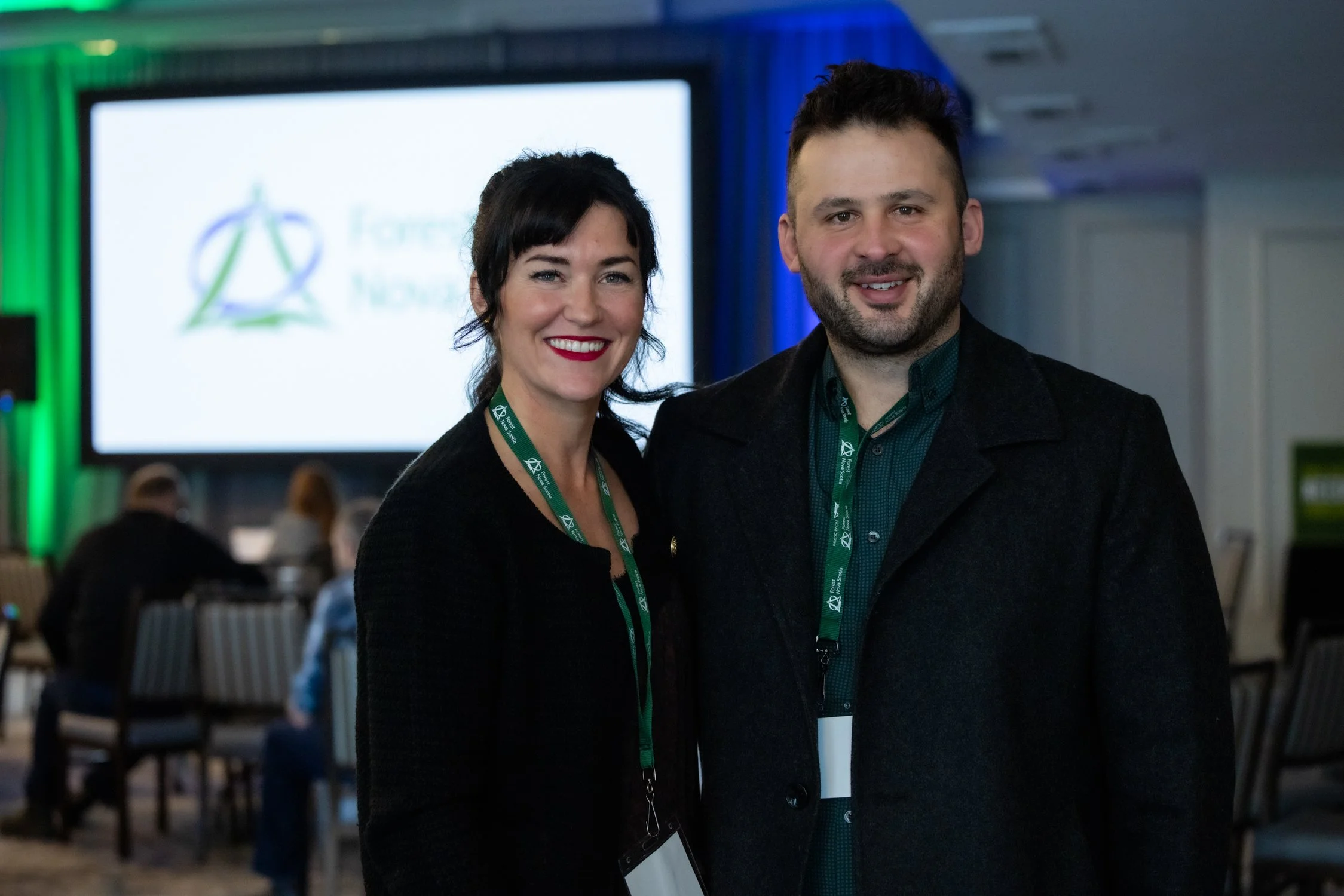
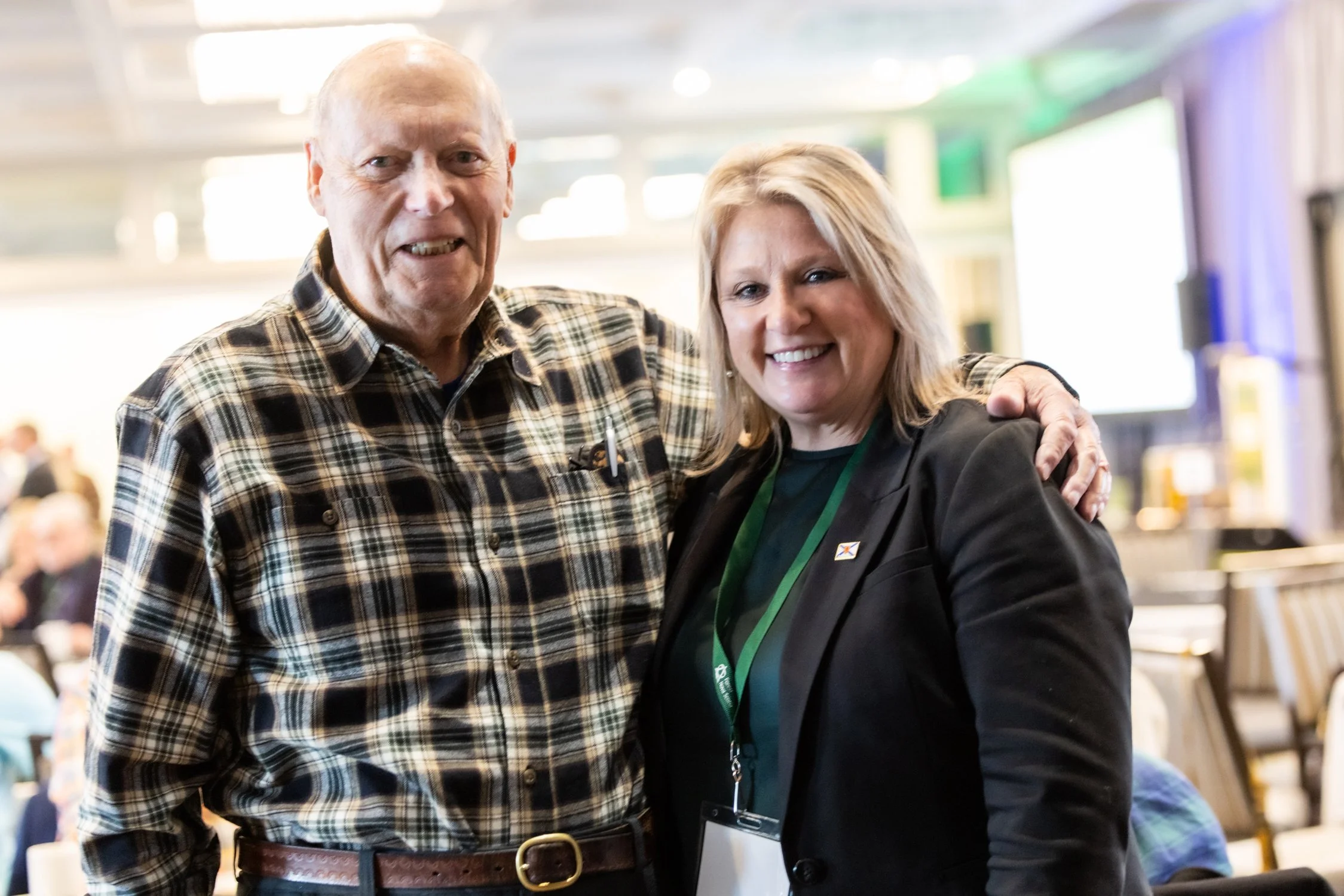
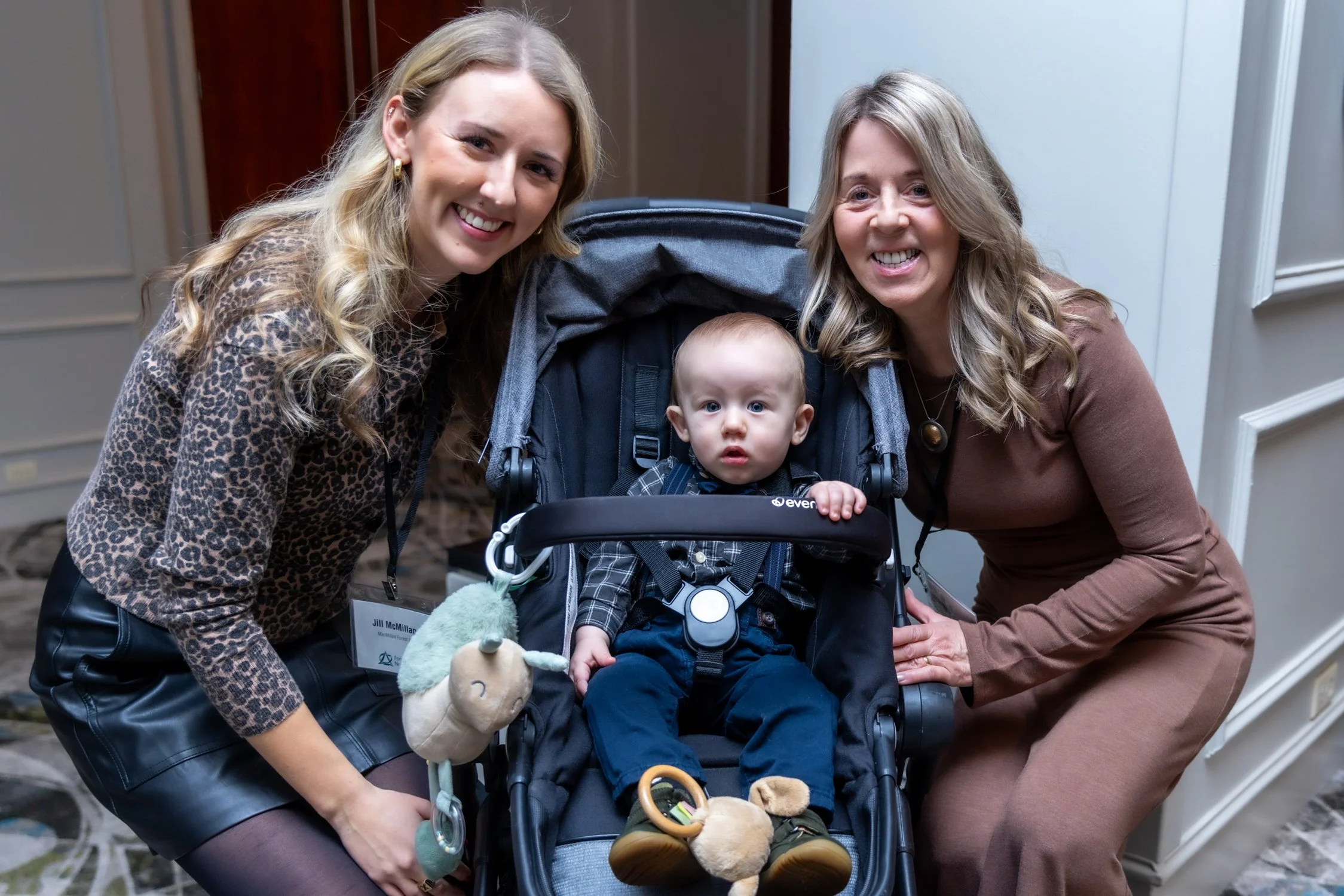
The Forest Nova Scotia Annual General Meeting took place on February 3 and 4, bringing together more than 200 members, guests, speakers, and elected officials, ranging in age from nine months to 91 years. The breadth of participation reflected the strength, diversity, and intergenerational nature of our forestry community.
Each year, the AGM seeks to cover a wide range of topics, from new scientific developments in wood products, to labour force development, to advancements in fire risk reduction, while still allowing ample time to address the core functions and challenges facing the forestry sector. This year, that goal was more than exceeded, with programming that balanced innovation, policy, and current concerns such as spruce budworm early intervention strategy.
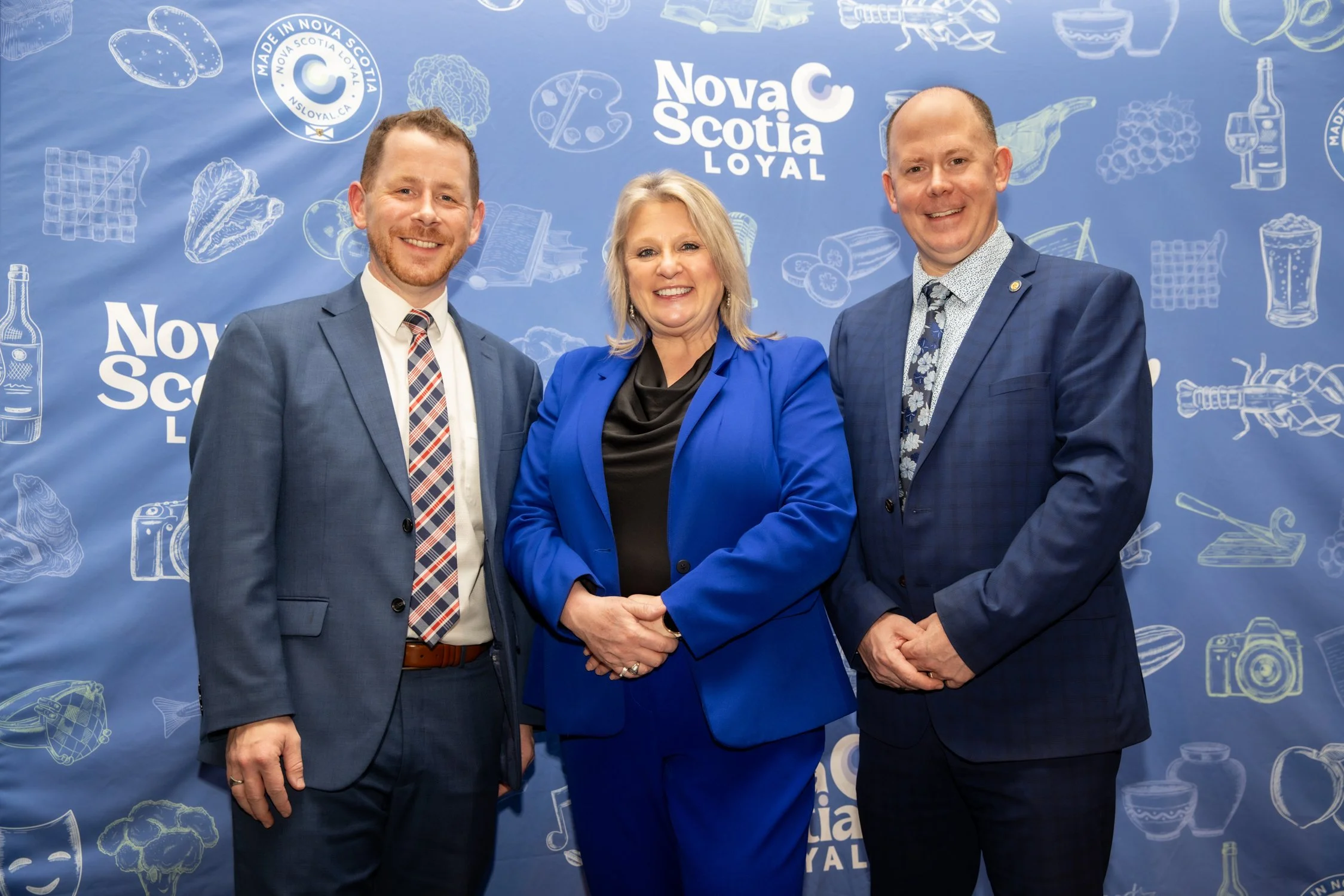
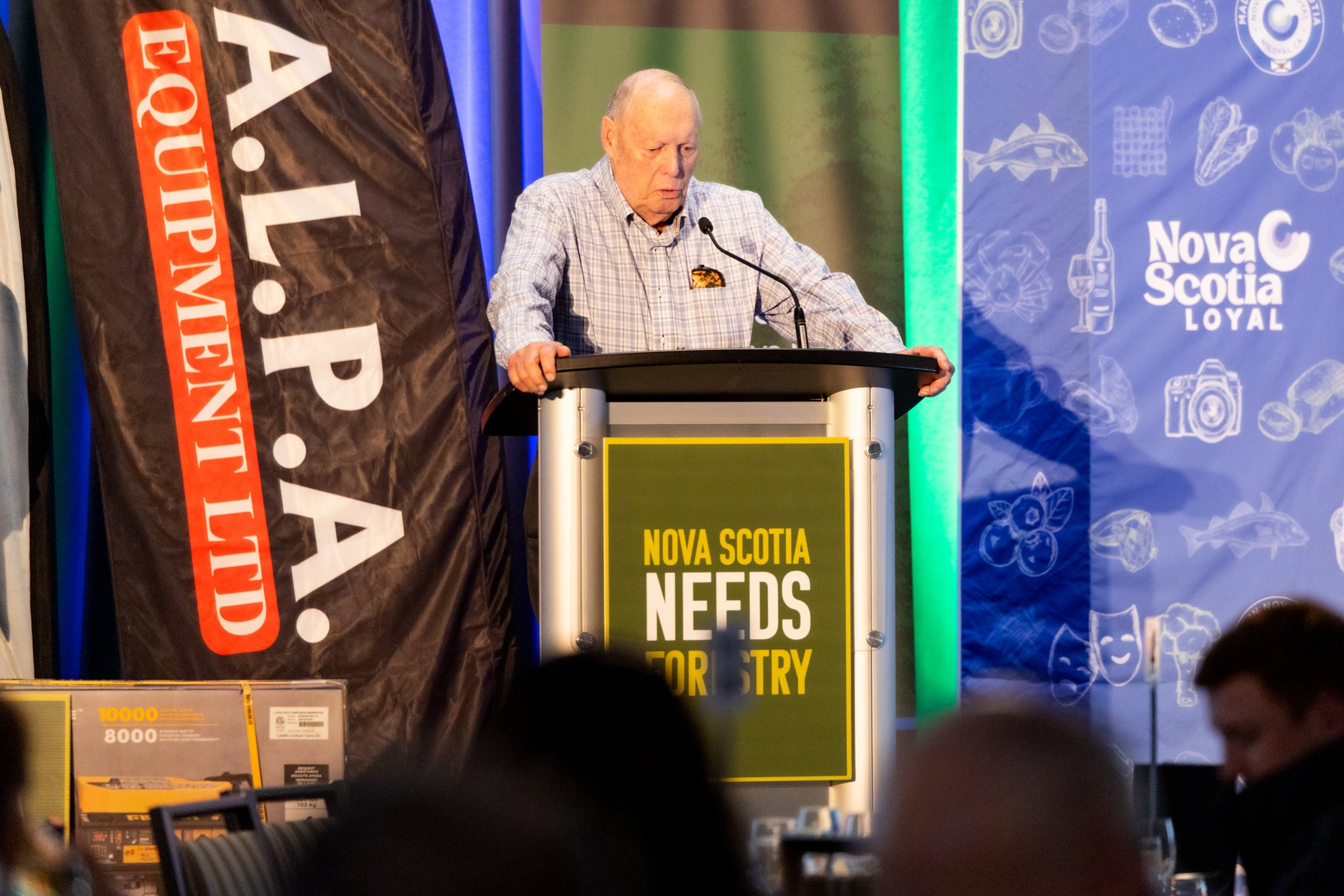
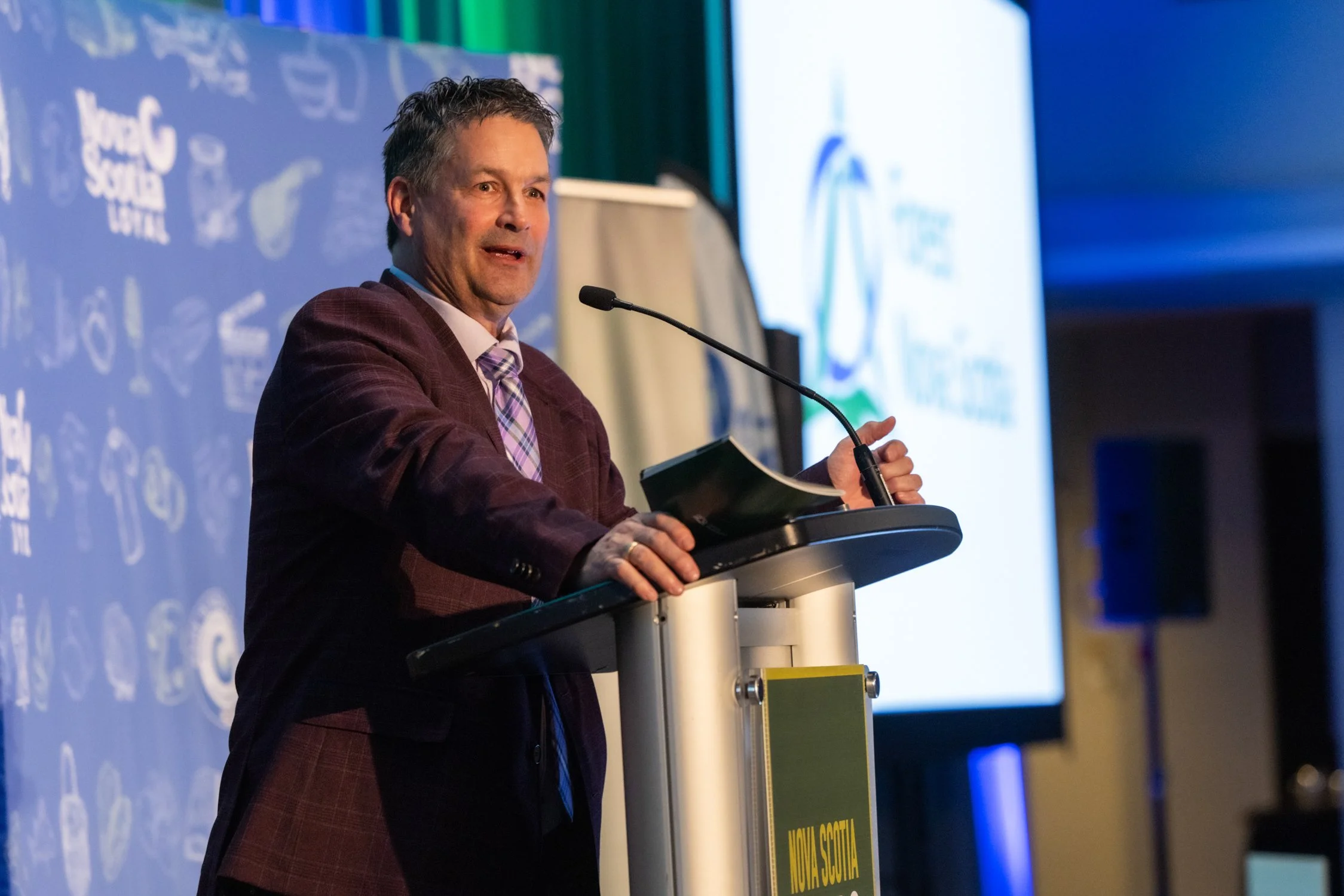
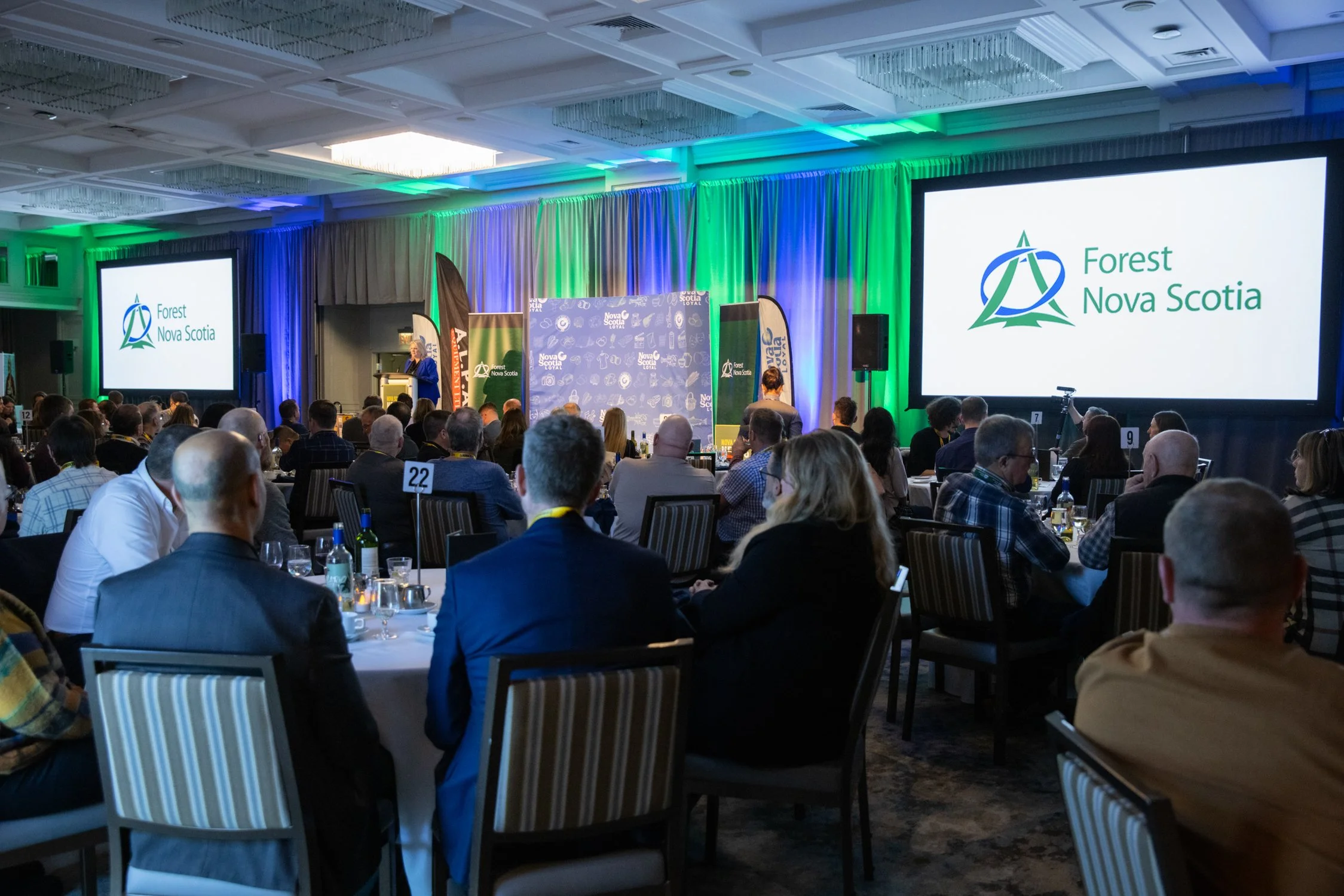
The event took place during a period of notable sector news, including the transition of stewardship of former Northern Pulp timberlands to the Bragg Group, an outcome many viewed positively for its potential to support continuity, local stewardship, and confidence in the sector’s future. The Honourable Kim Masland opened the AGM with remarks on this development, emphasizing the importance of keeping timberlands in Nova Scotian hands and reinforcing government support for a strong, resilient forestry sector. Minister Masland also addressed the impact of recent wildfires, noting that Nova Scotia’s forests, rural communities, and province are stronger because of the work of those in the industry, and highlighting the adaptability shown by forestry workers who shifted to nighttime operations during the most recent wildfire season. She affirmed that the government sees the sector, supports it, and believes in its future.
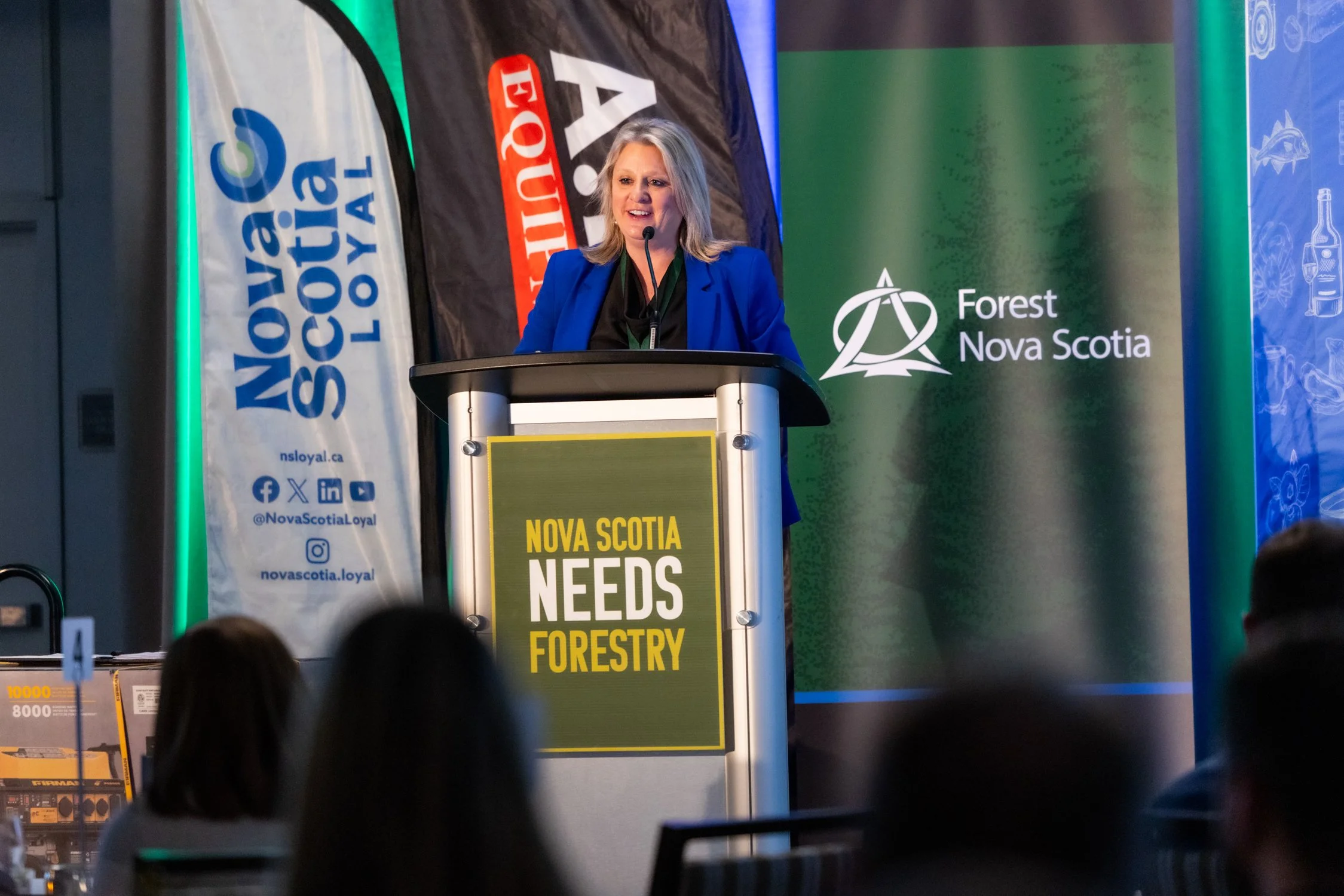
Honourable Kim Masland
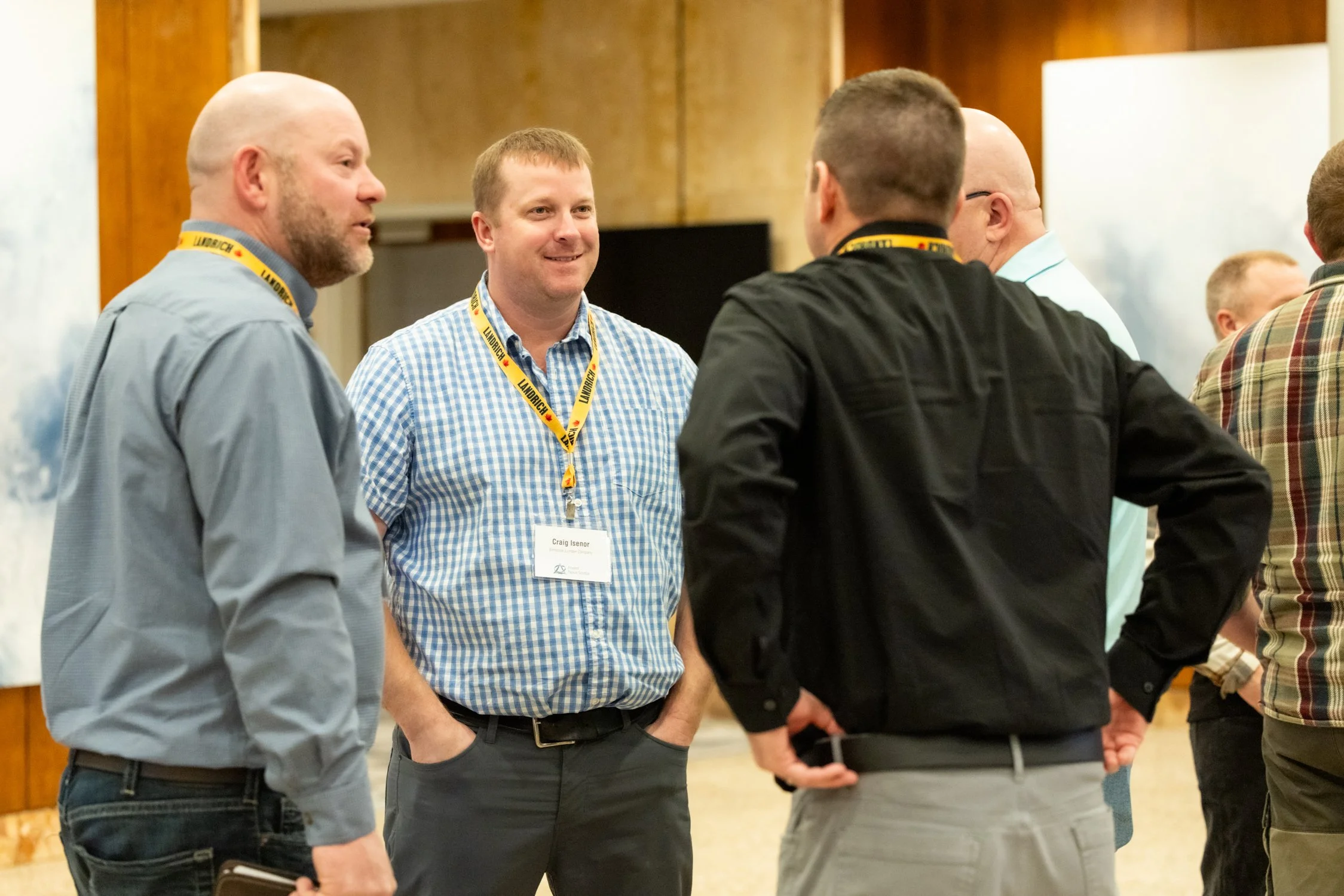
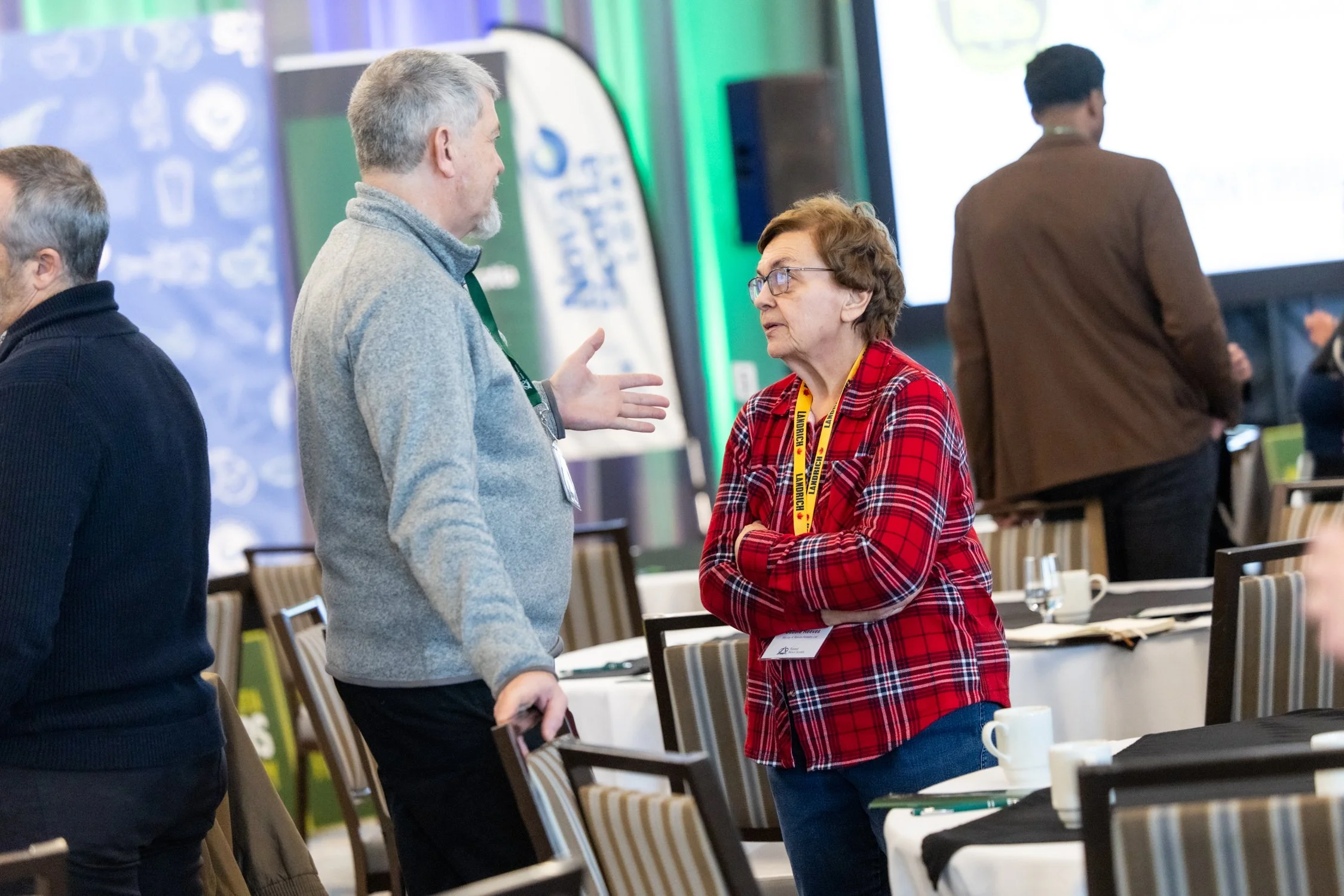
Throughout the two days, speakers were candid and transparent about the challenges facing their respective sectors, as well as the opportunities ahead. Many emphasized the importance of connection and collaboration, and we were pleased to hear that numerous productive conversations and meetings took place, laying the groundwork for future partnerships and innovation.
On day one, trade lawyer Thomas Beline delivered an informative presentation on the state of Canada–U.S. trade discussions. He offered valuable insight into where key players currently stand and shared projections on potential outcomes in the months ahead, helping attendees better understand this complex and sensitive issue.
Jason Somers spoke about Groupe Savoie’s efforts in finding value in every part of the tree, highlighting innovation in by-product creation and the need to keep the supply chain strong and responsive. He observed that when demand declines, the effects are felt across the broader industry. Andrew Parsons of Nova Sustainable Fuels provided an update on the proposed sustainable aviation fuel facility in Goldboro, outlining project timelines and the work underway to advance the development. He noted that while a small core team is leading the initiative, a range of expert consultants are engaged to ensure regulatory compliance and address environmental assessment requirements. Looking ahead, he emphasized that securing clear policy mandates to strengthen the market for sustainable aviation fuel will be critical to supporting final investment decisions.
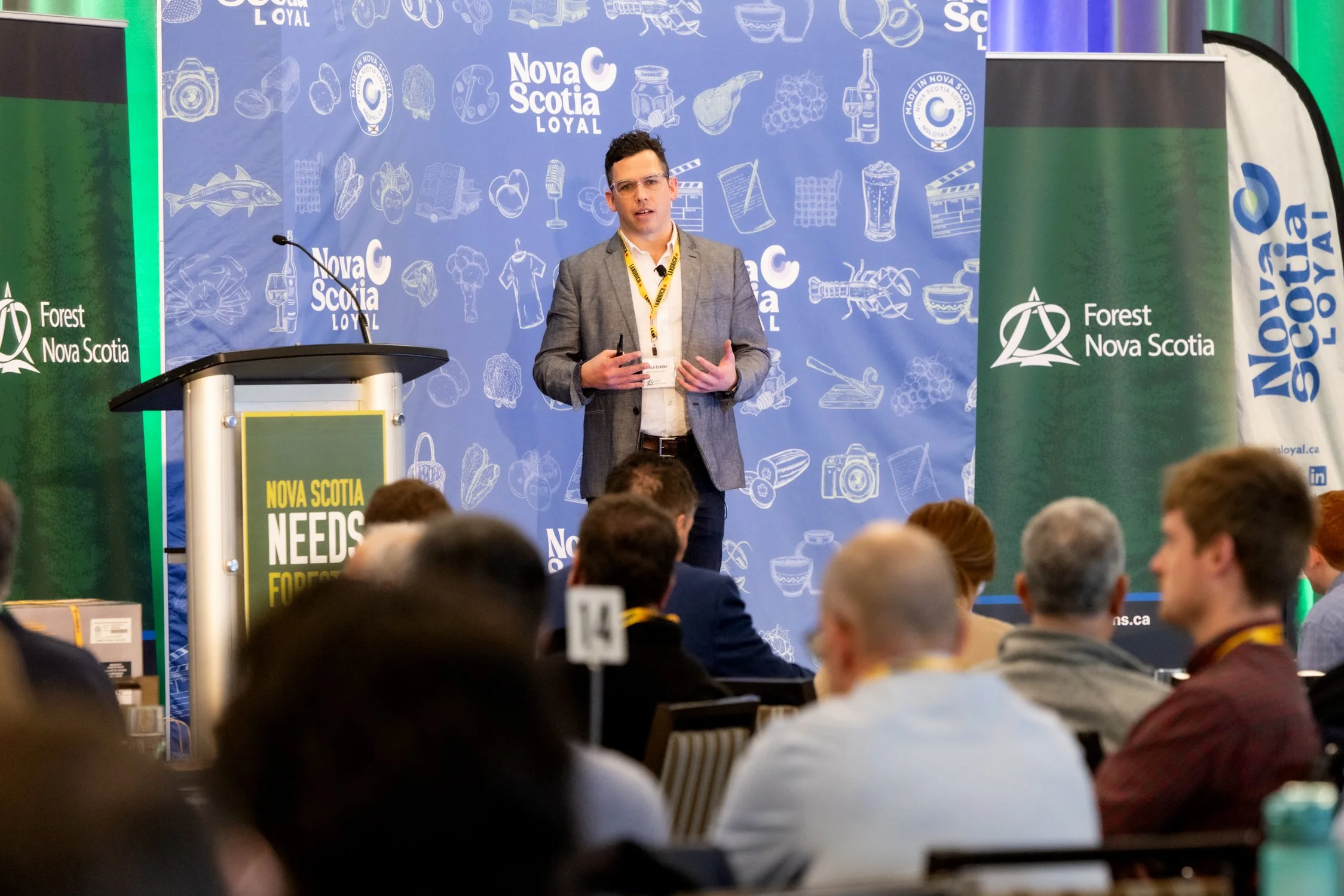
Patrick Crabbe of Mass Timber Company energized the room with a frank and thoughtful discussion on what must change in Nova Scotia to support the growth of the offsite construction sector and improve access to housing. Derek Nighbor of FPAC provided important perspectives on how federal regulations have struggled to keep pace with the size, scope, and evolving needs of the forestry industry, a sentiment Andrew DeVries of Canada Forest Owners later echoed on day two, adding that the sector can still be viewed as ‘niche’ by many decision-makers. Understanding these realities is essential. When we know where we stand, we are better equipped to advocate and act.
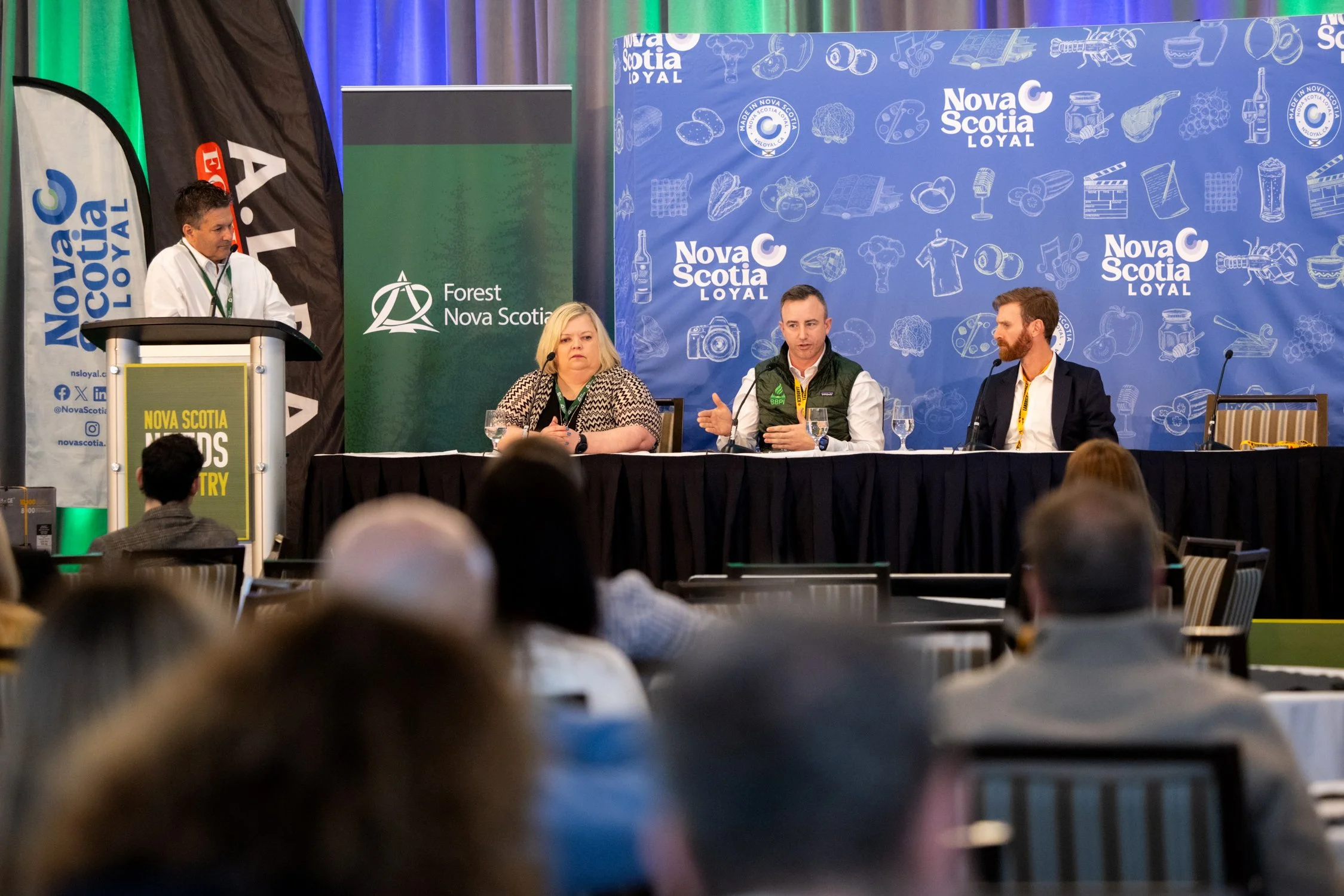
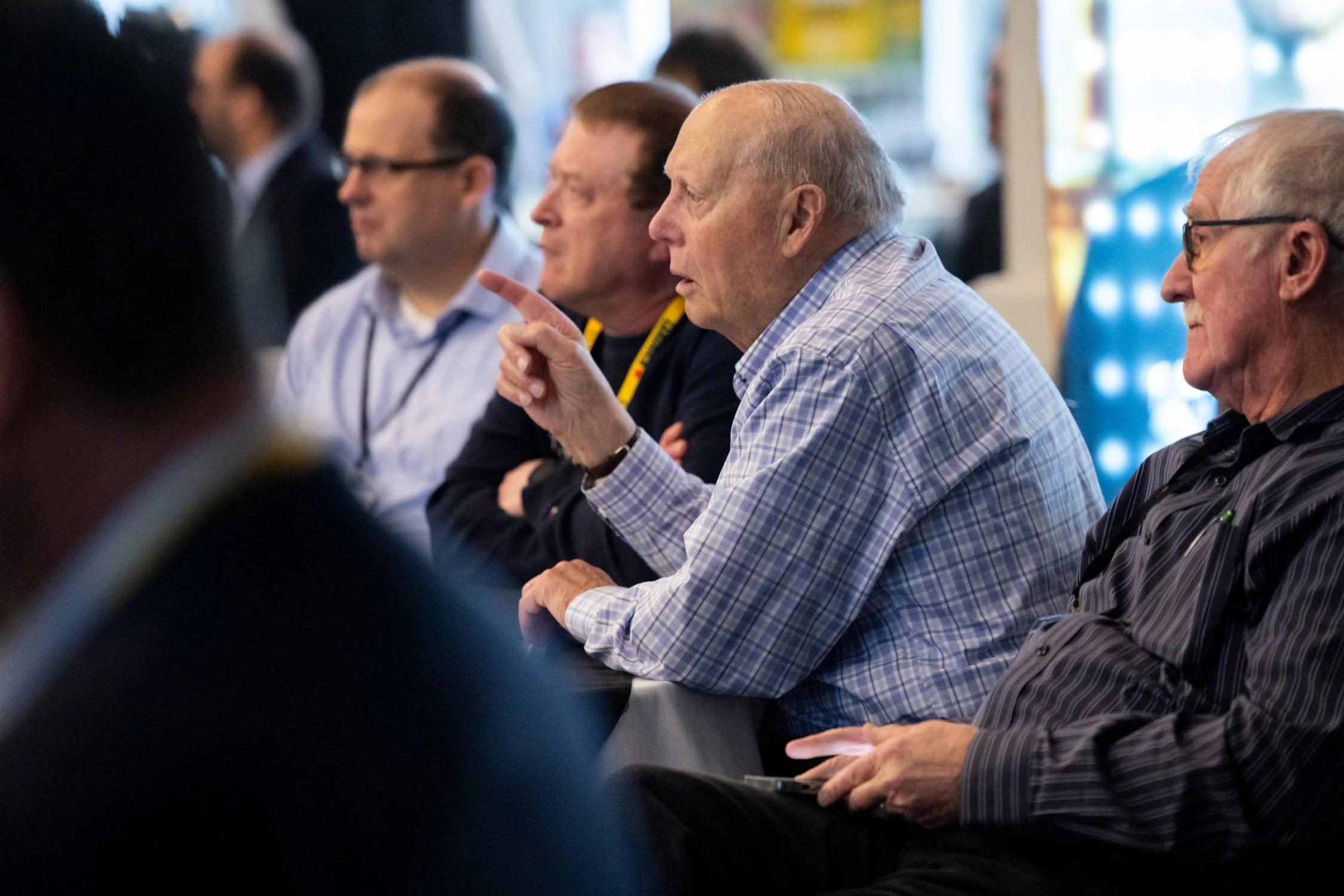
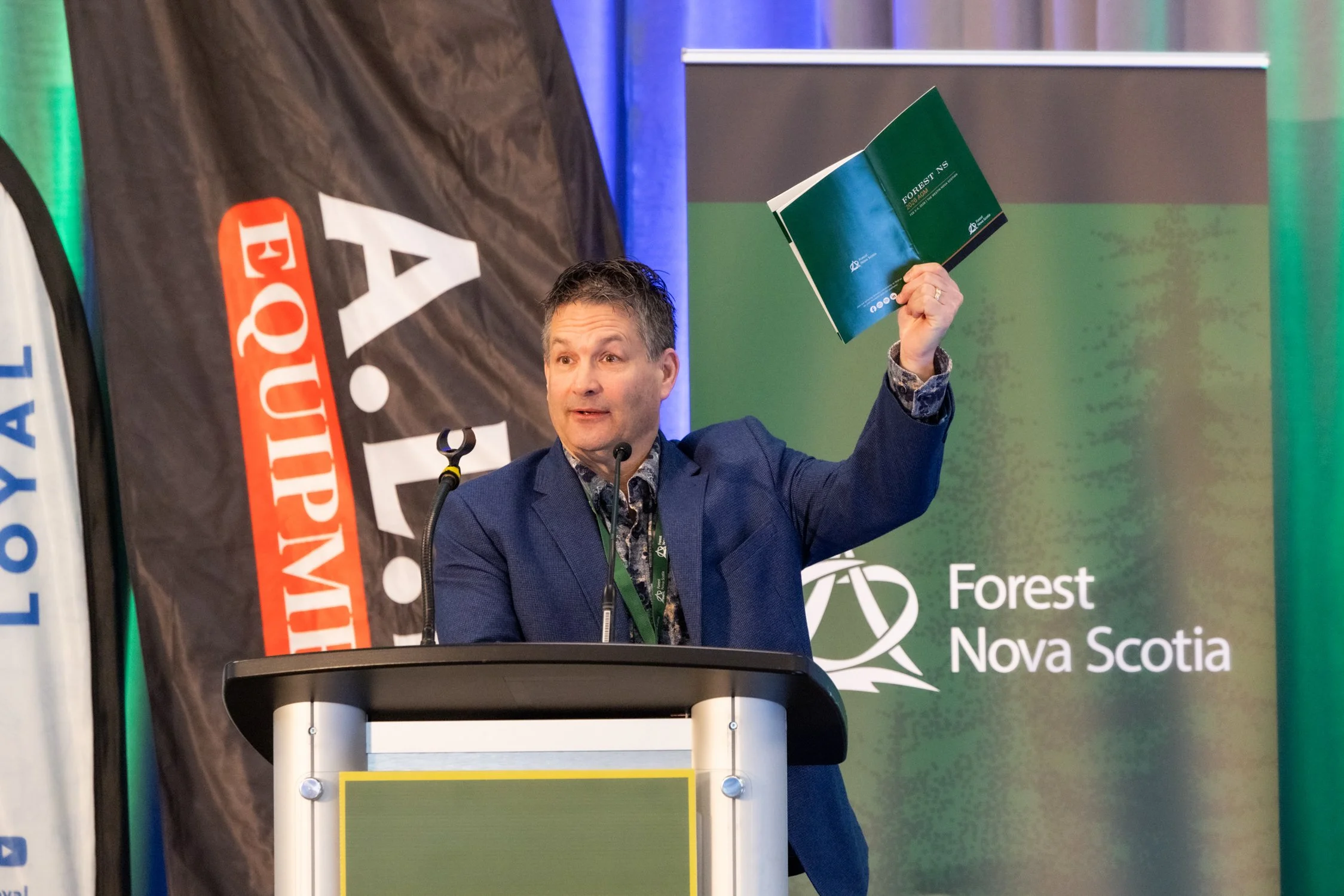
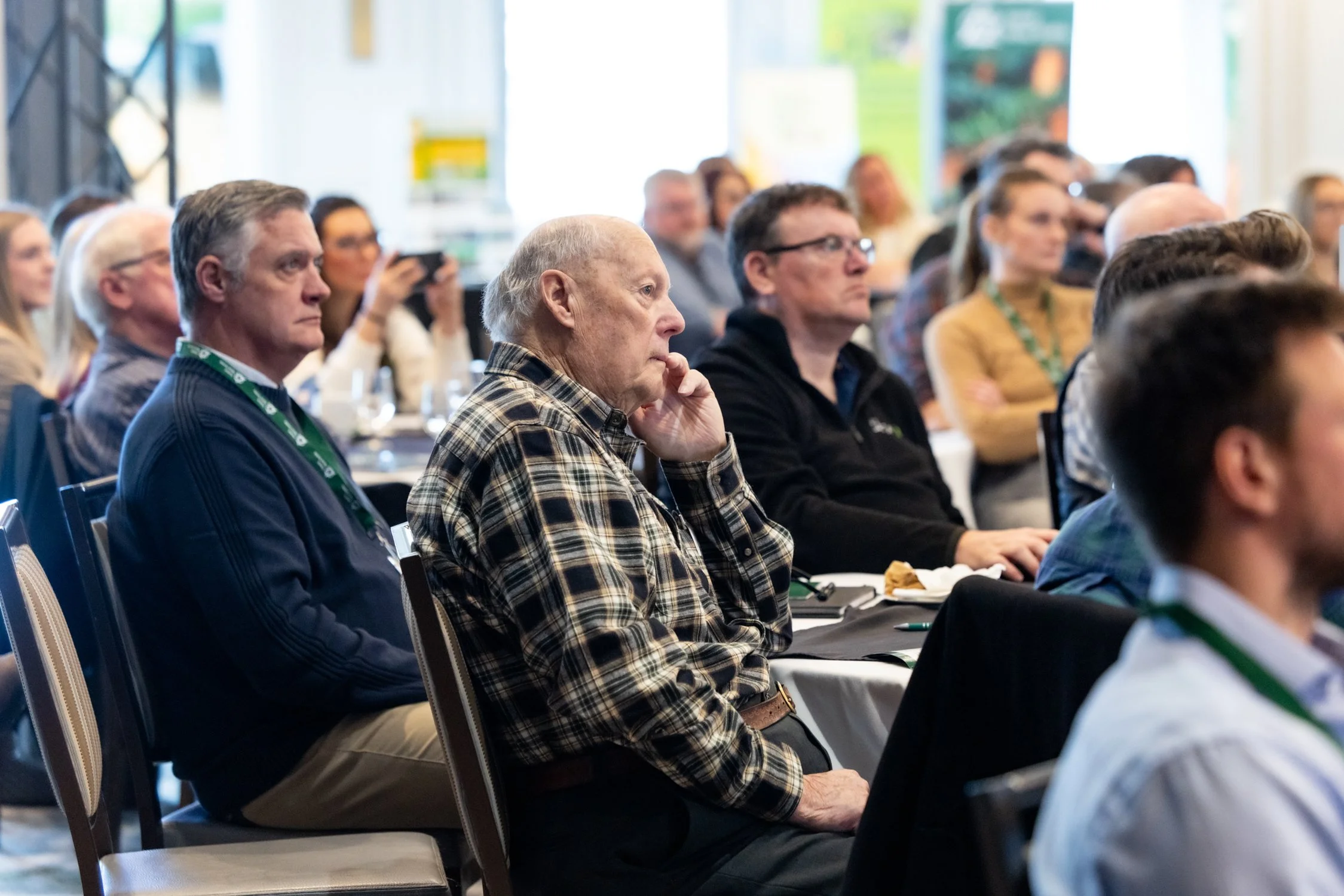
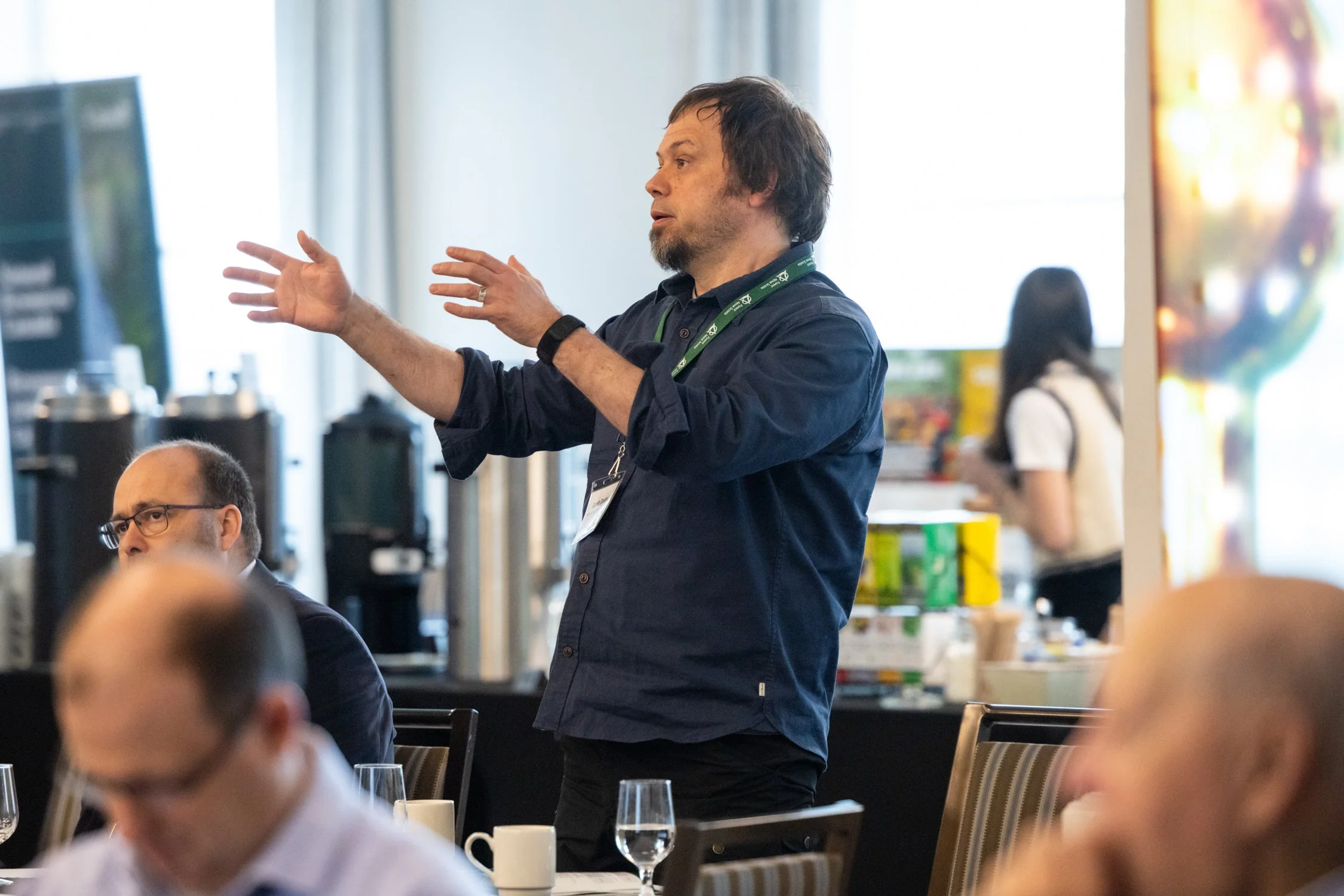
The quality of the presentations was matched by the depth and thoughtfulness of the questions posed by attendees. Many sessions truly came alive during the discussion periods, guided by the adept moderation of Executive Director Todd Burgess, highlighting the remarkable expertise within the Forest Nova Scotia membership and reinforcing the value of coming together to learn from one another.
Forestry is a traditional industry, built on generations of knowledge, careful stewardship, and long-standing practices. At the same time, the willingness shown at this year’s AGM to embrace innovation and approach new opportunities with openness and enthusiasm was both inspiring and encouraging.
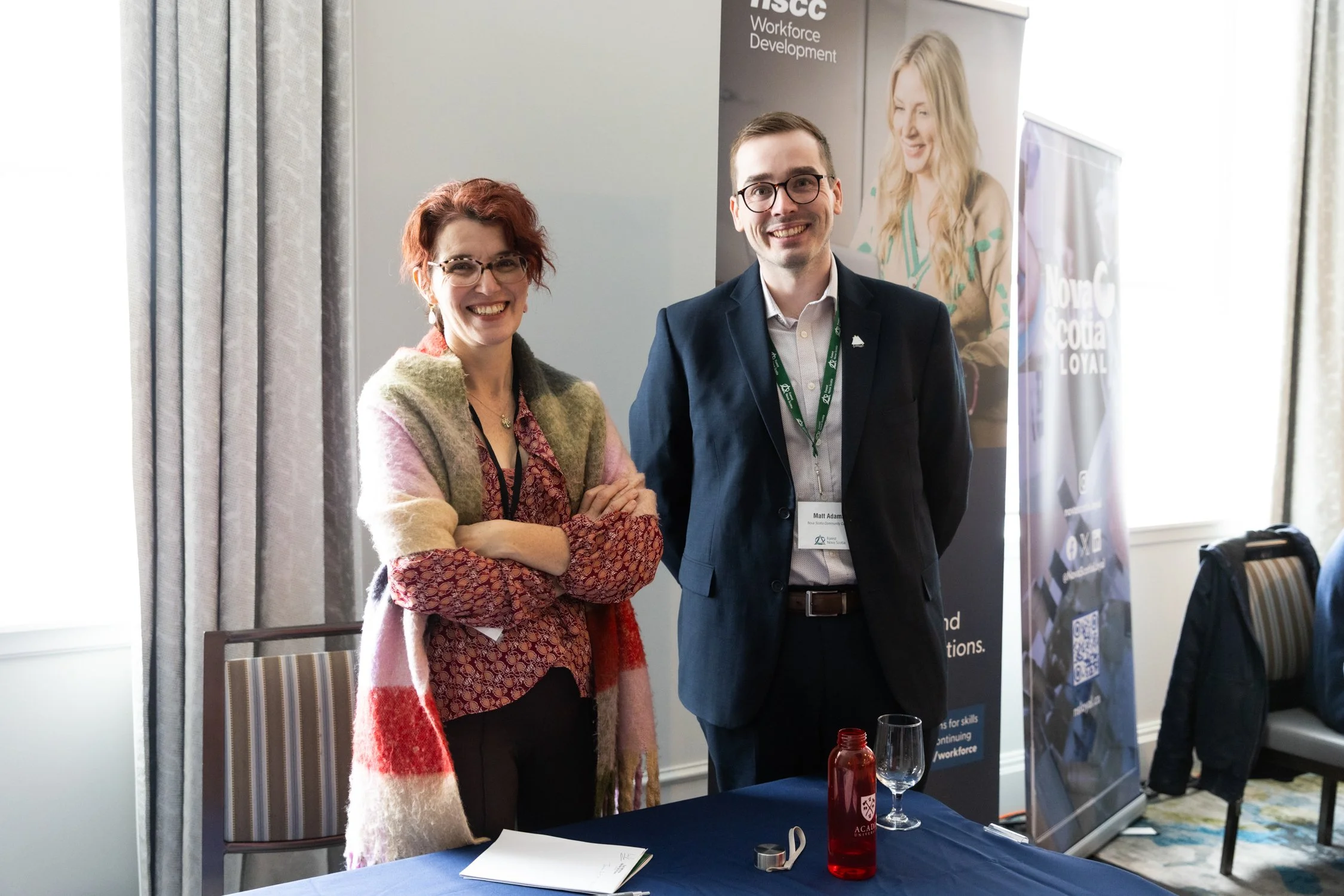
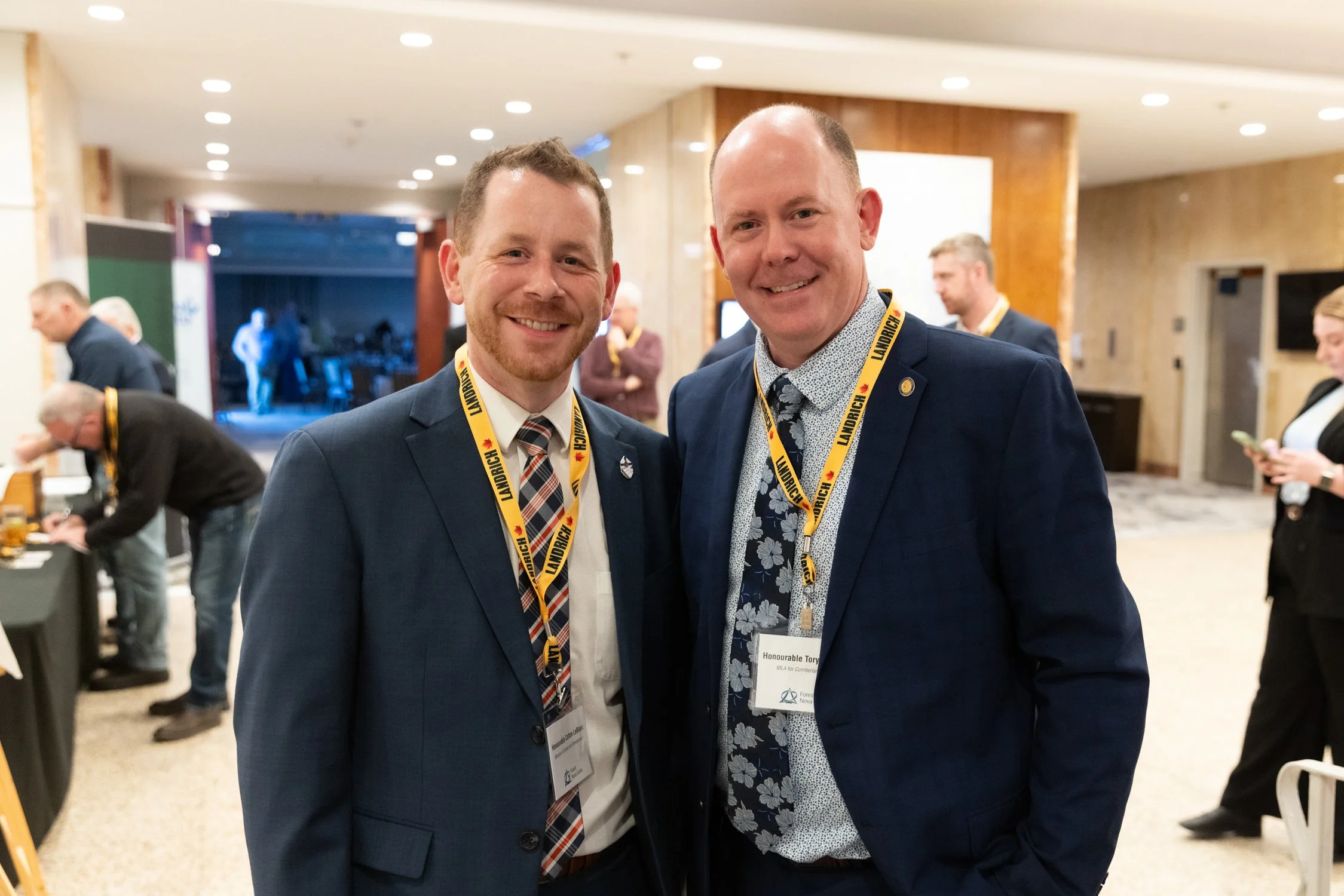
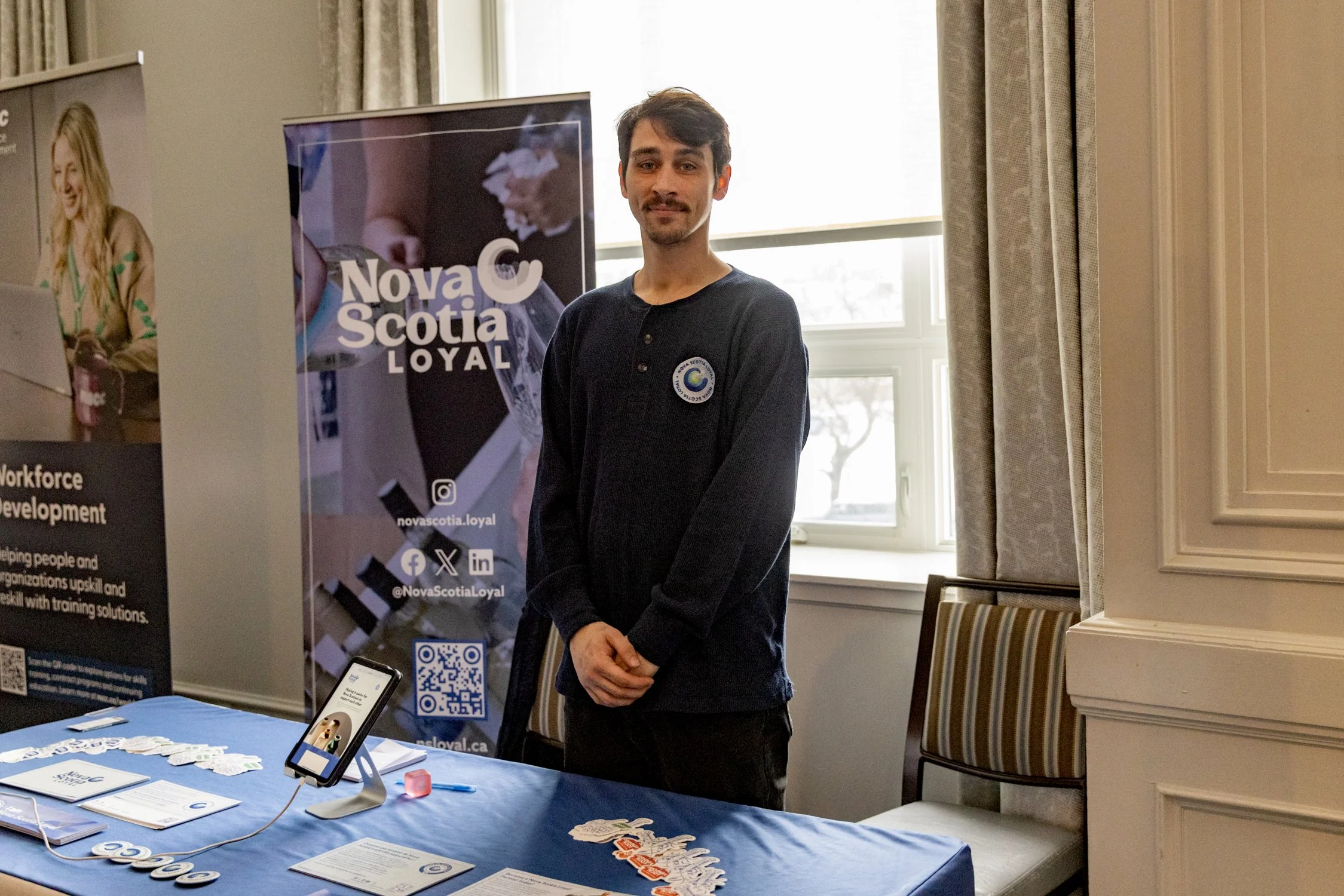
The Honourable Colton LeBlanc spoke about the government’s support for the forestry sector, including efforts to reduce trade barriers and foster the innovation taking place across the industry. He also highlighted the Forestry Innovation Transition Trust, which aims to support private woodlot owners in developing and maintaining access roads, and emphasized the importance of partnership with Nova Scotia Loyal as one of the province’s key traditional industries. Nova Scotia Loyal remained a strong presence throughout the event, serving as a visible reminder of the consumer-facing endpoint of many of the products and materials that begin within the forestry sector and ultimately reach communities across the province.
Several presenters reflected on initiatives that began in 2020, at the height of pandemic uncertainty, including Jonathan Burns and Rhys Waters of Podstarter. What was once a period of significant disruption also became a catalyst for bold new ideas. Today, we find ourselves at another pivotal moment, one that calls for the same creativity, resilience, and collaboration.
Common themes throughout the meeting included job creation, sustainability, community investment, and persistent advocacy for projects that strengthen both the industry and the province.
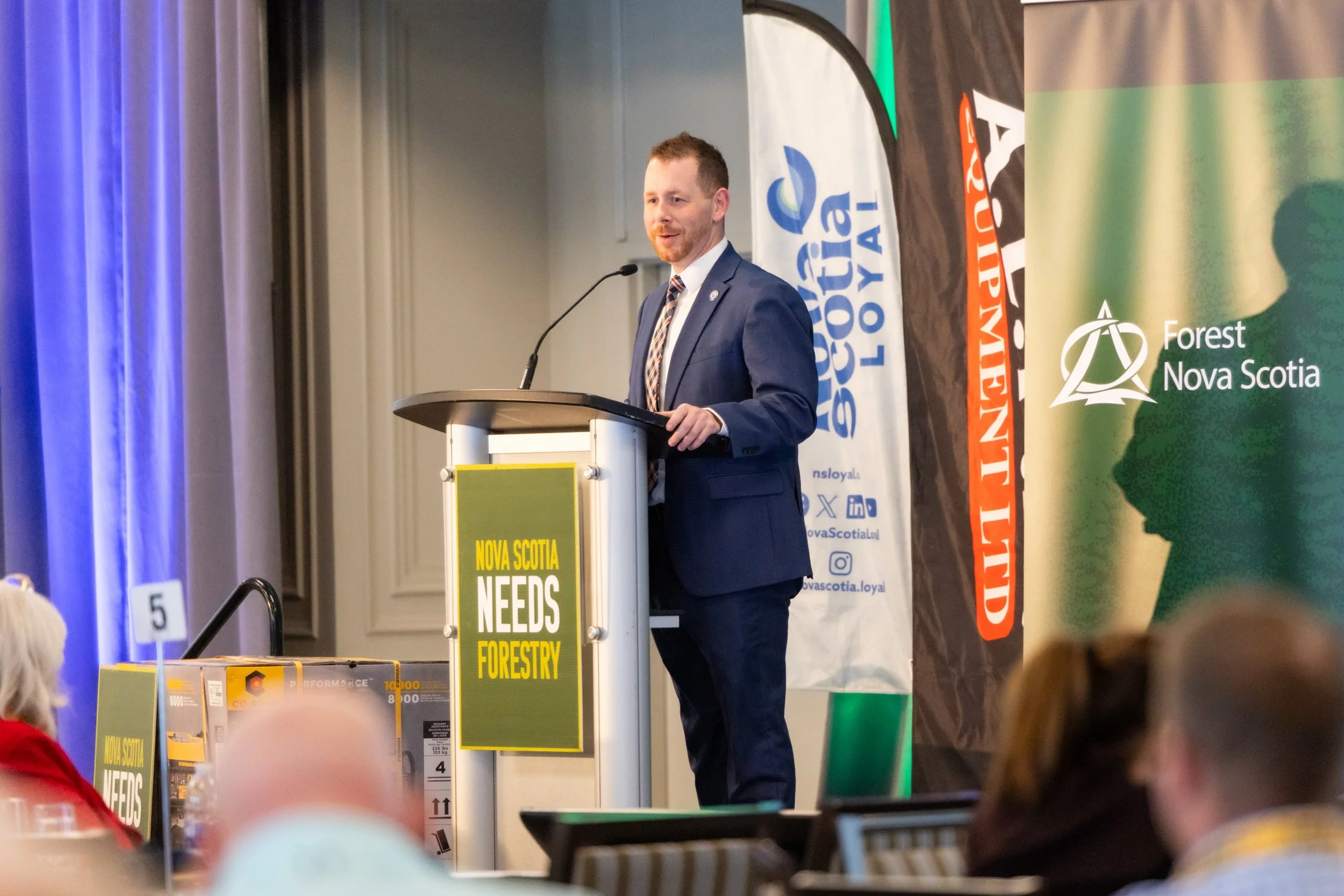
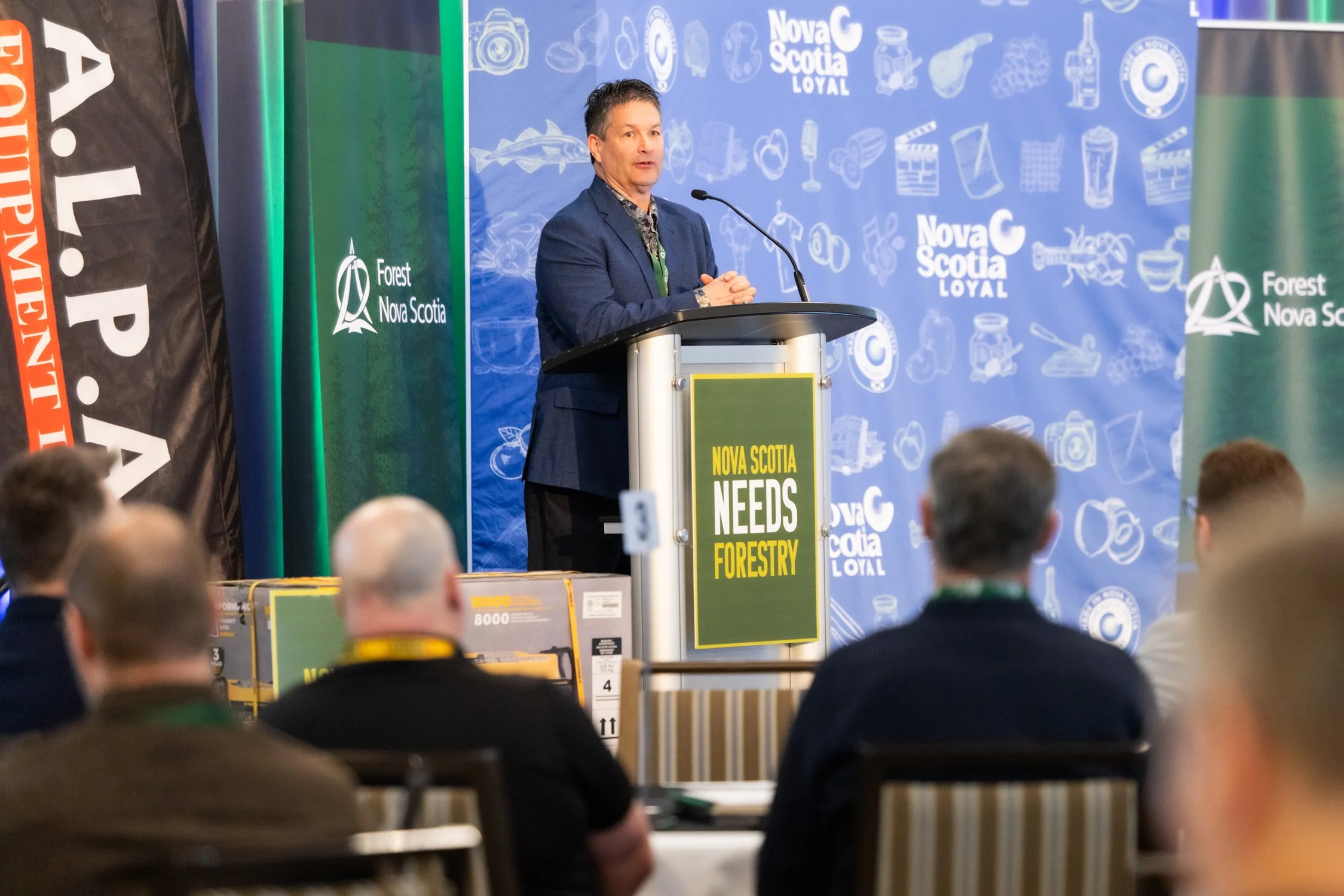
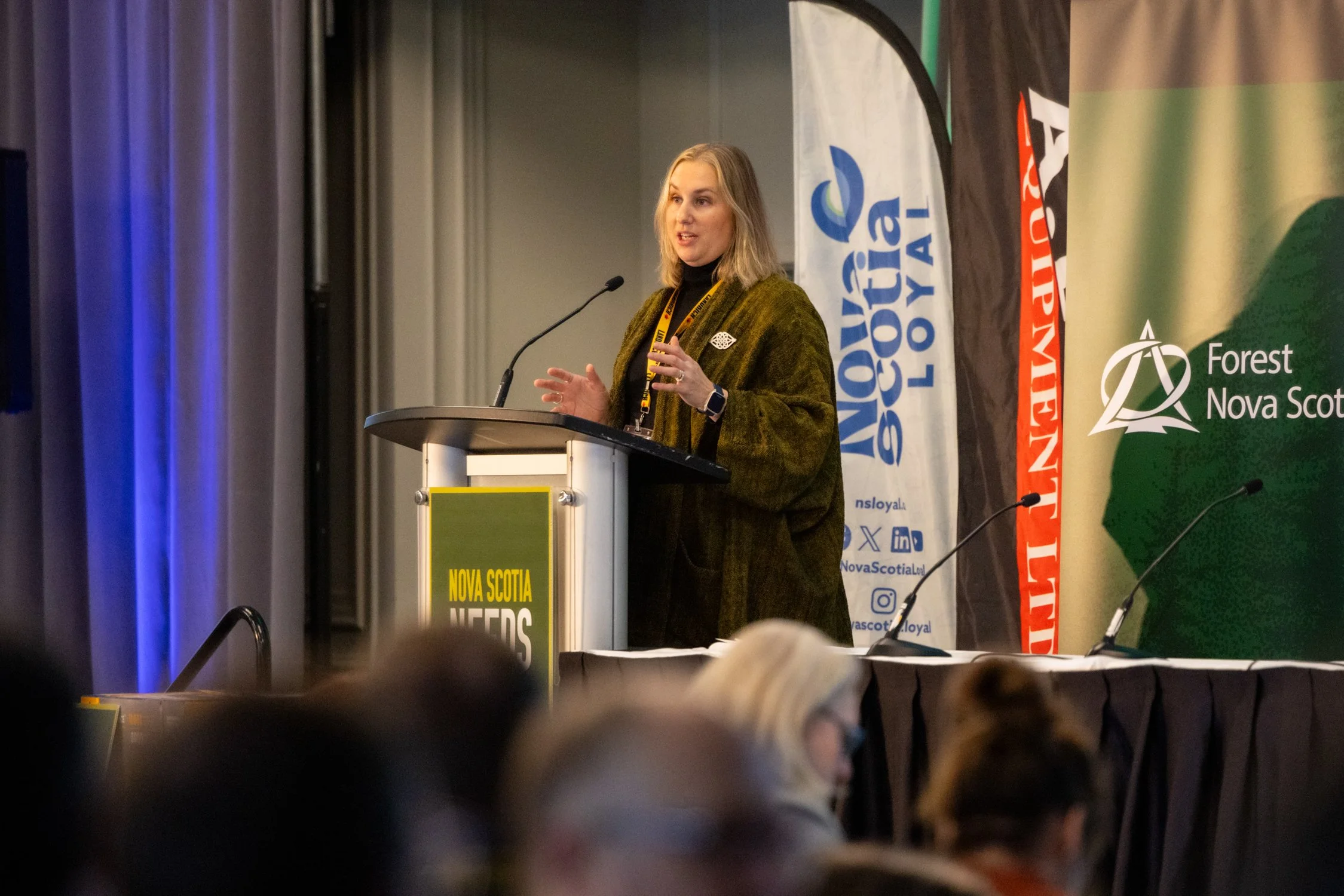
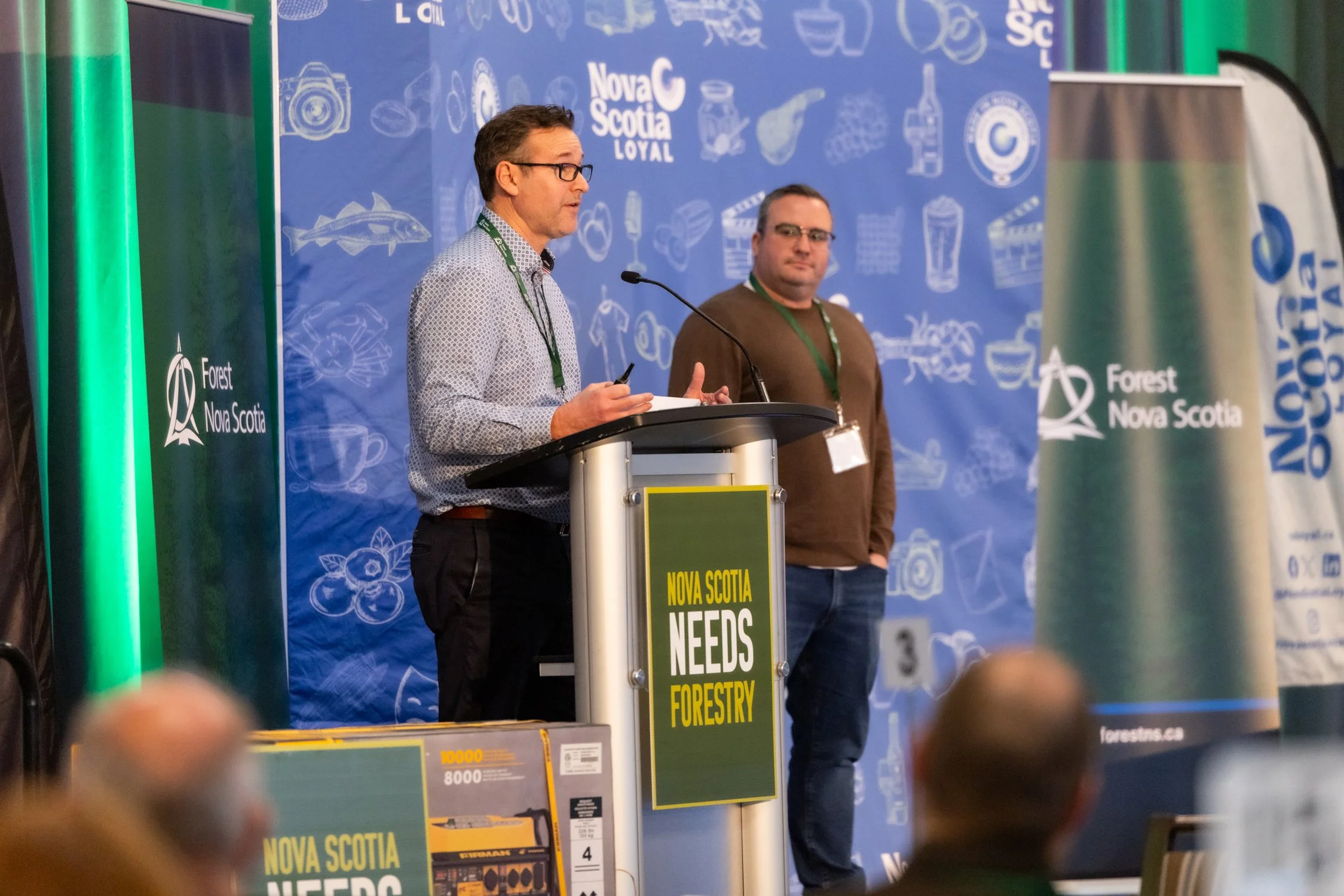
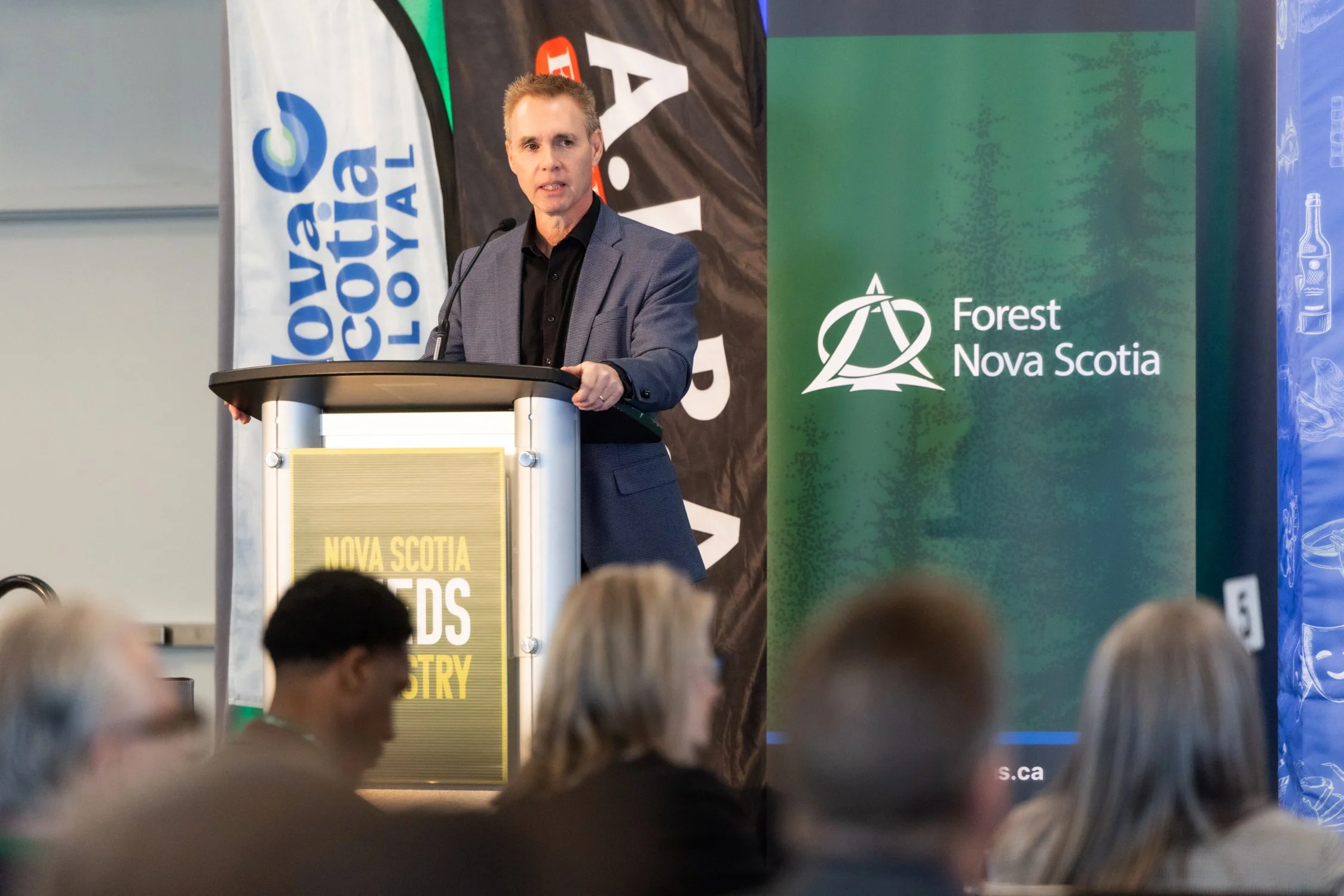
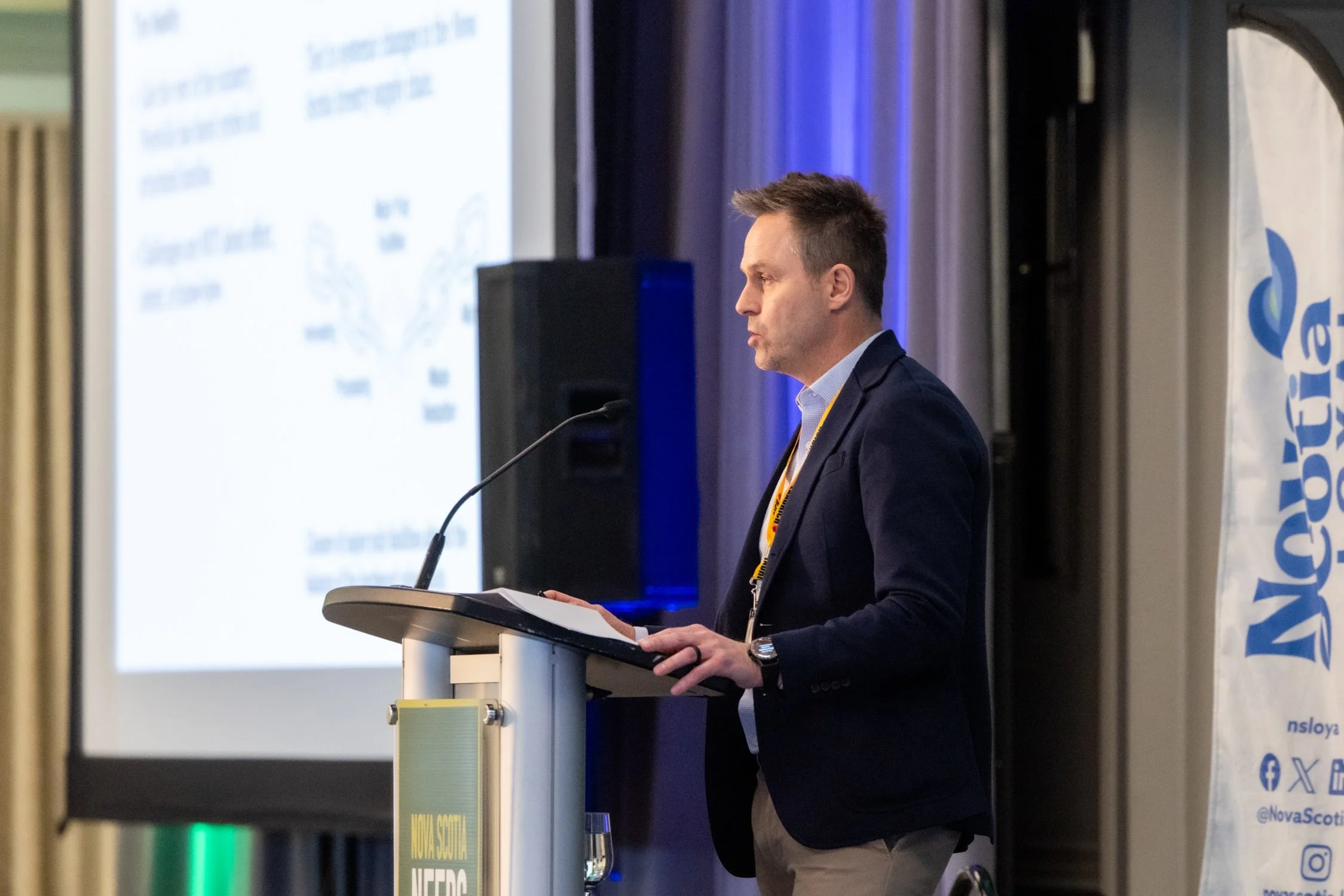
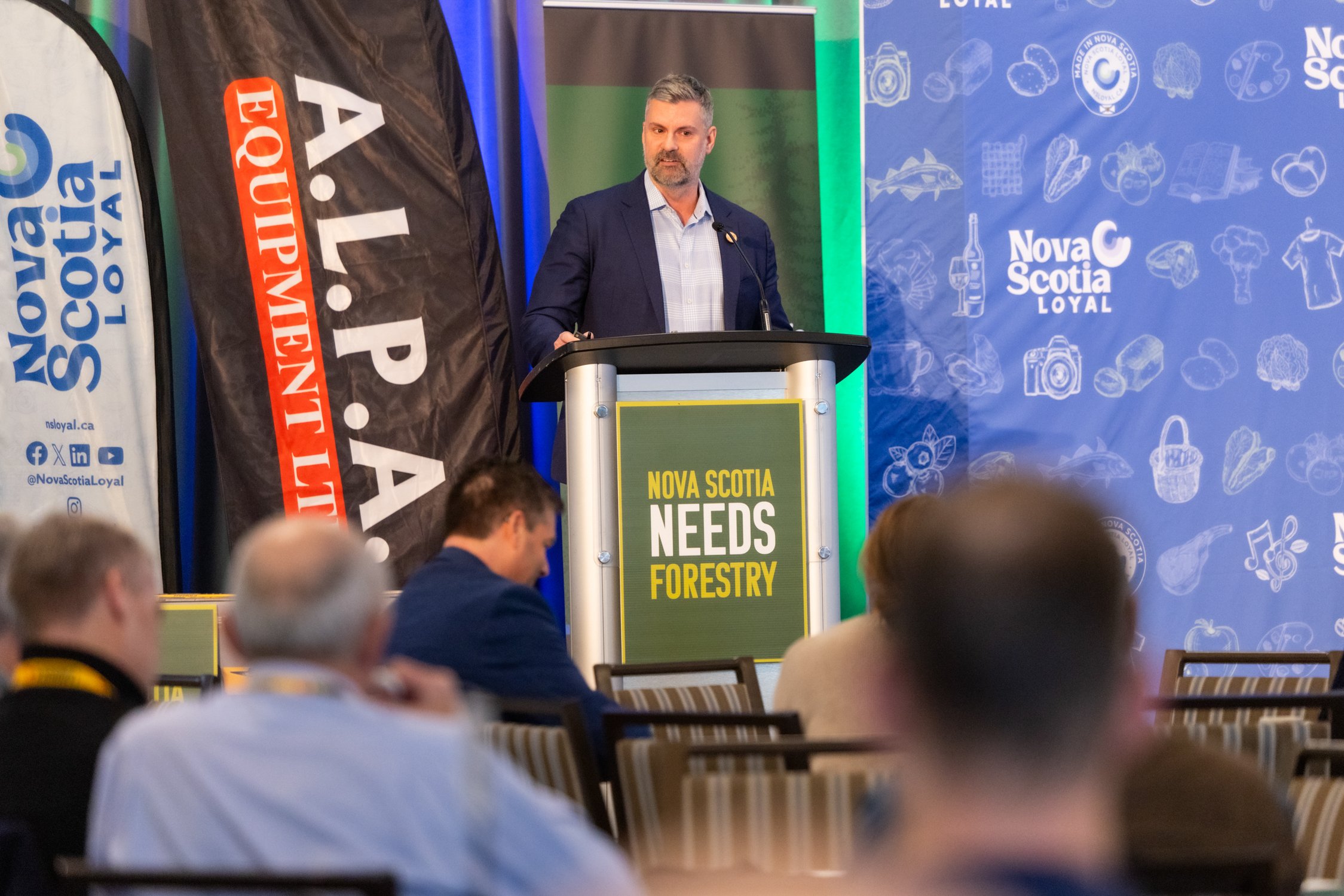
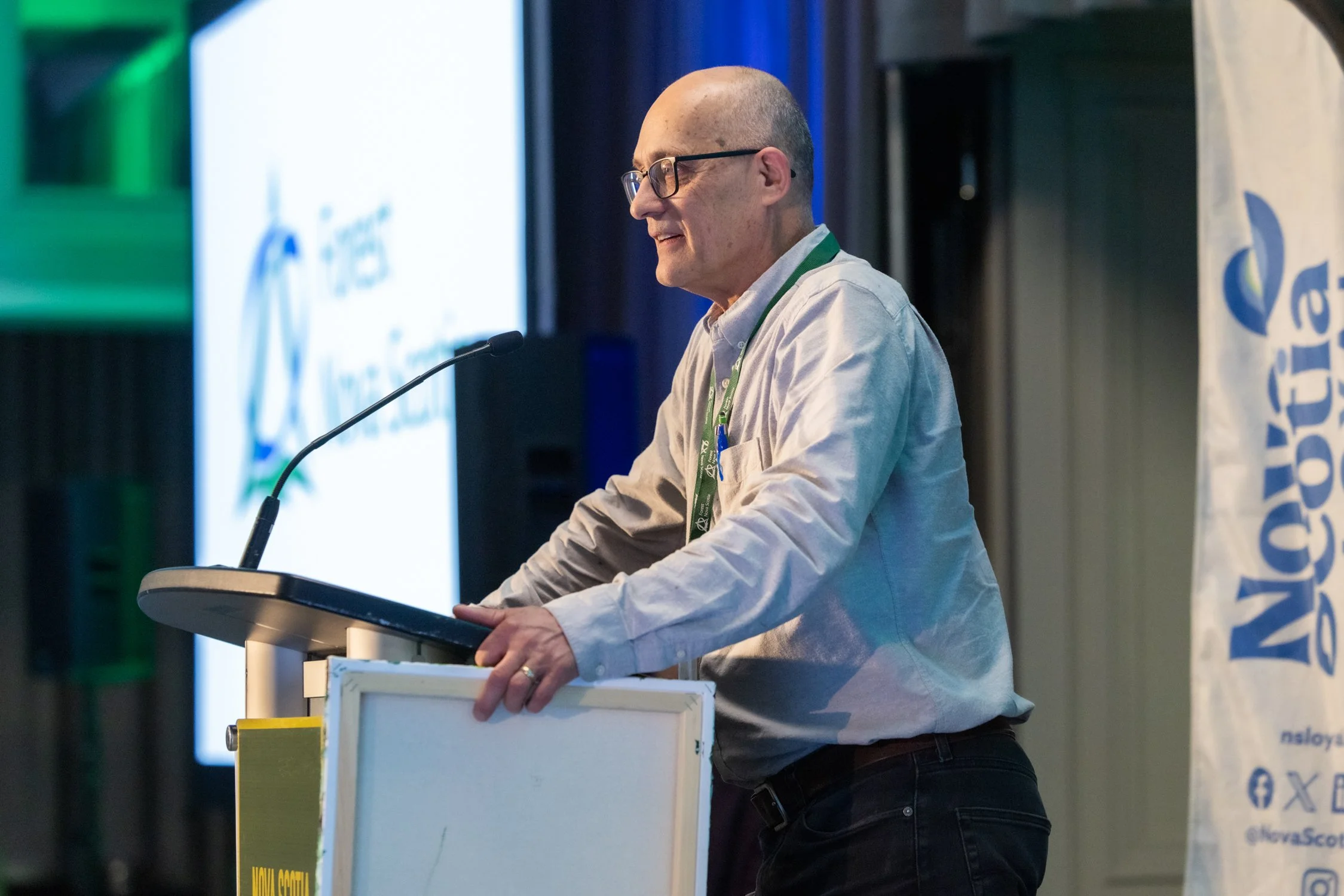
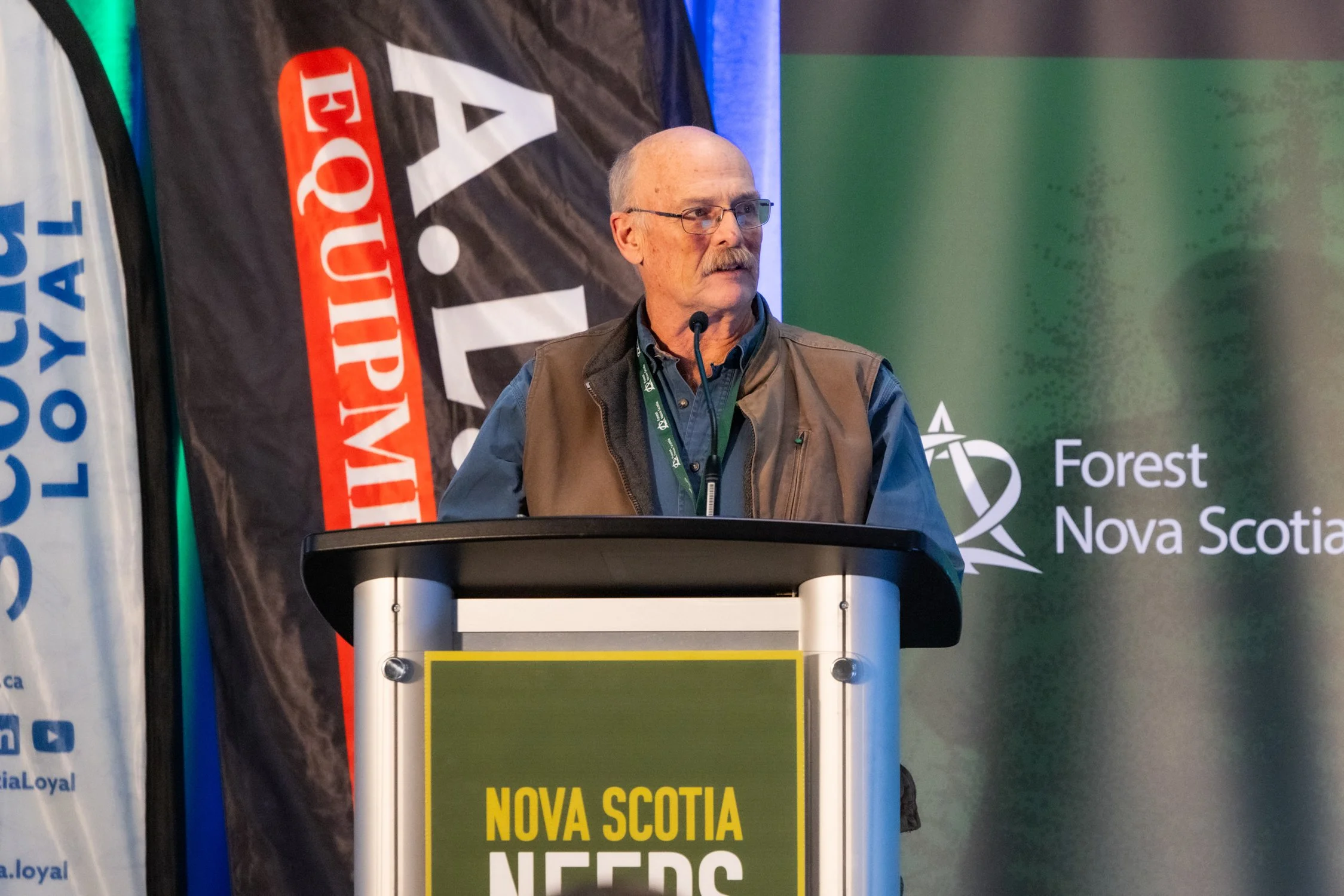
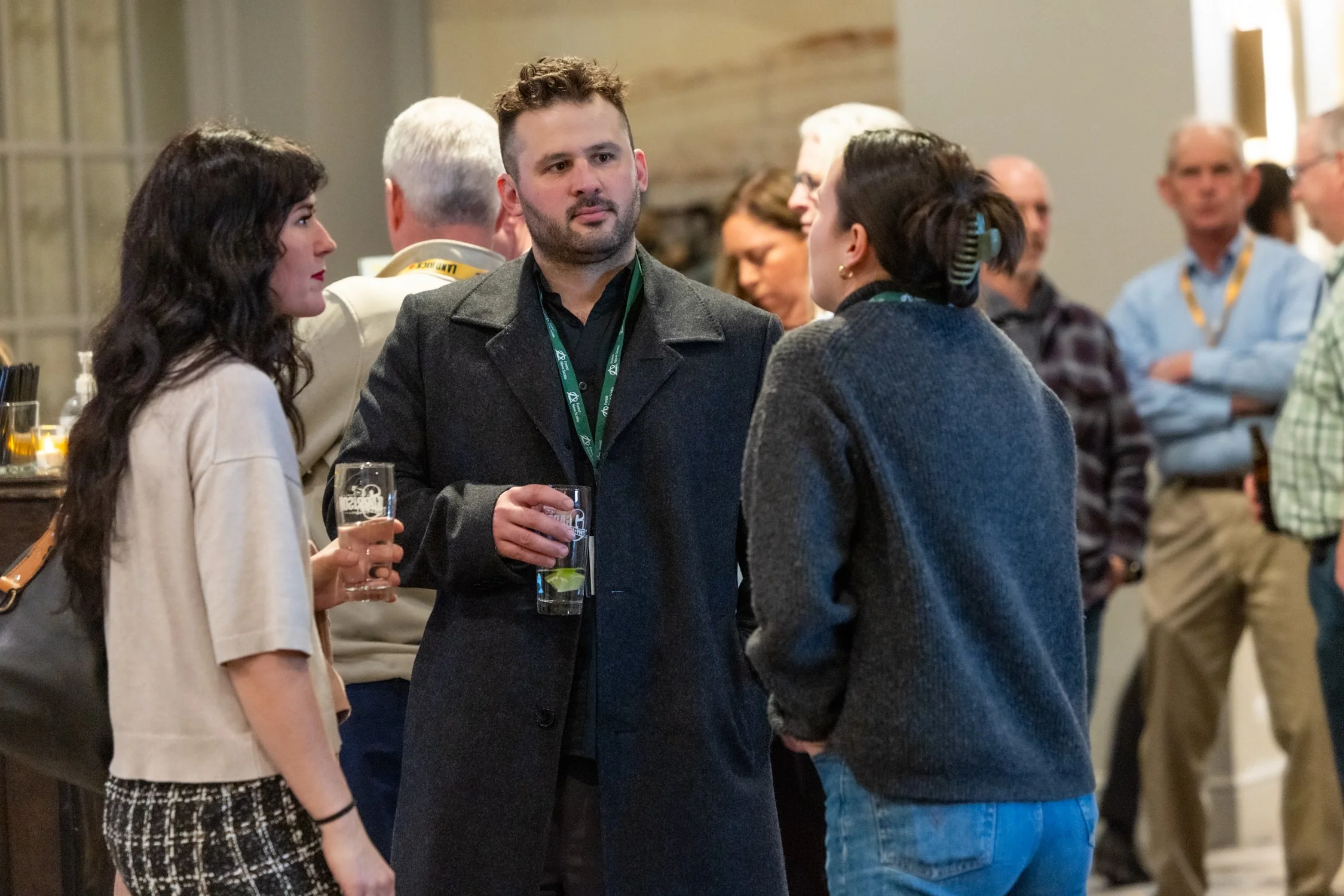
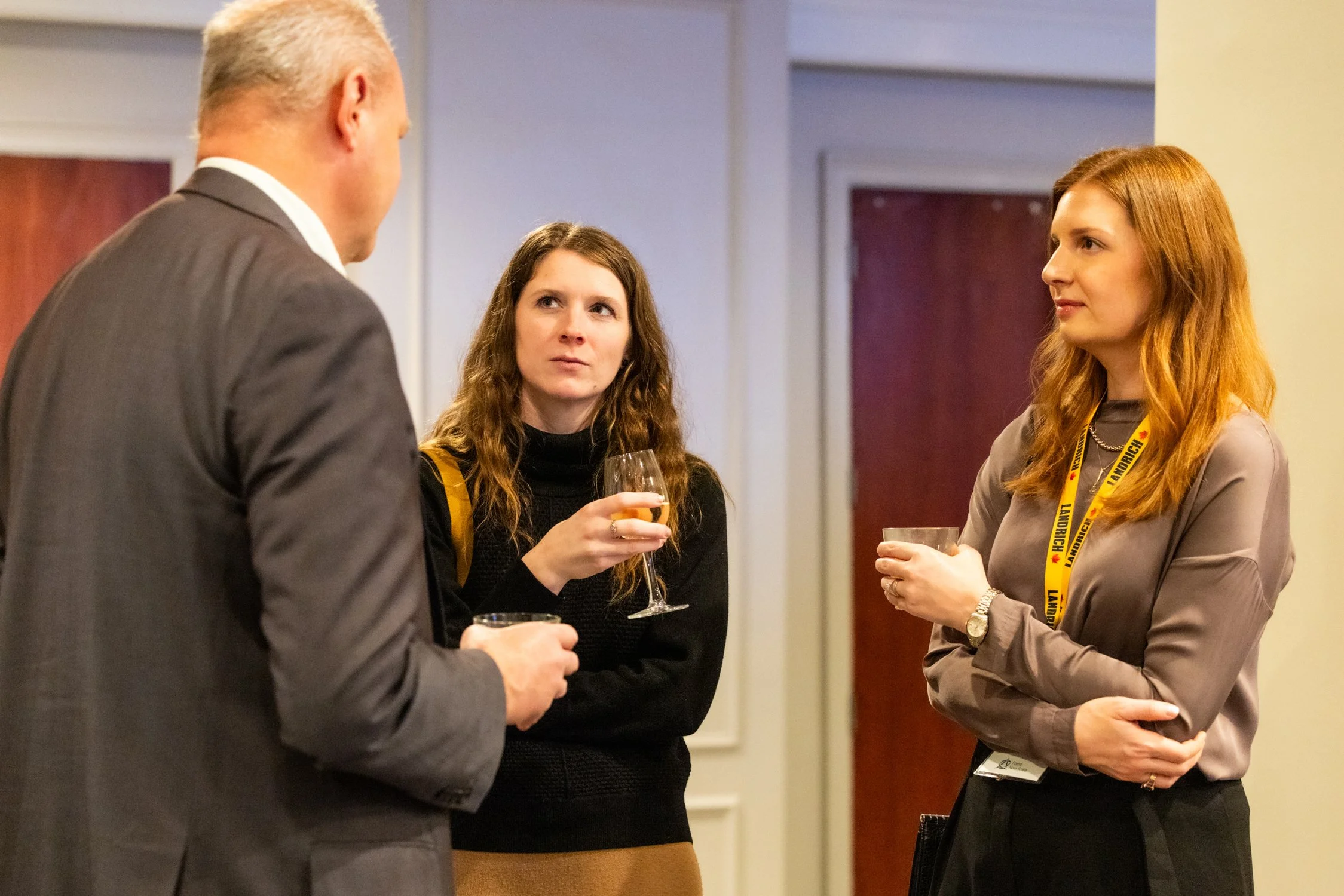
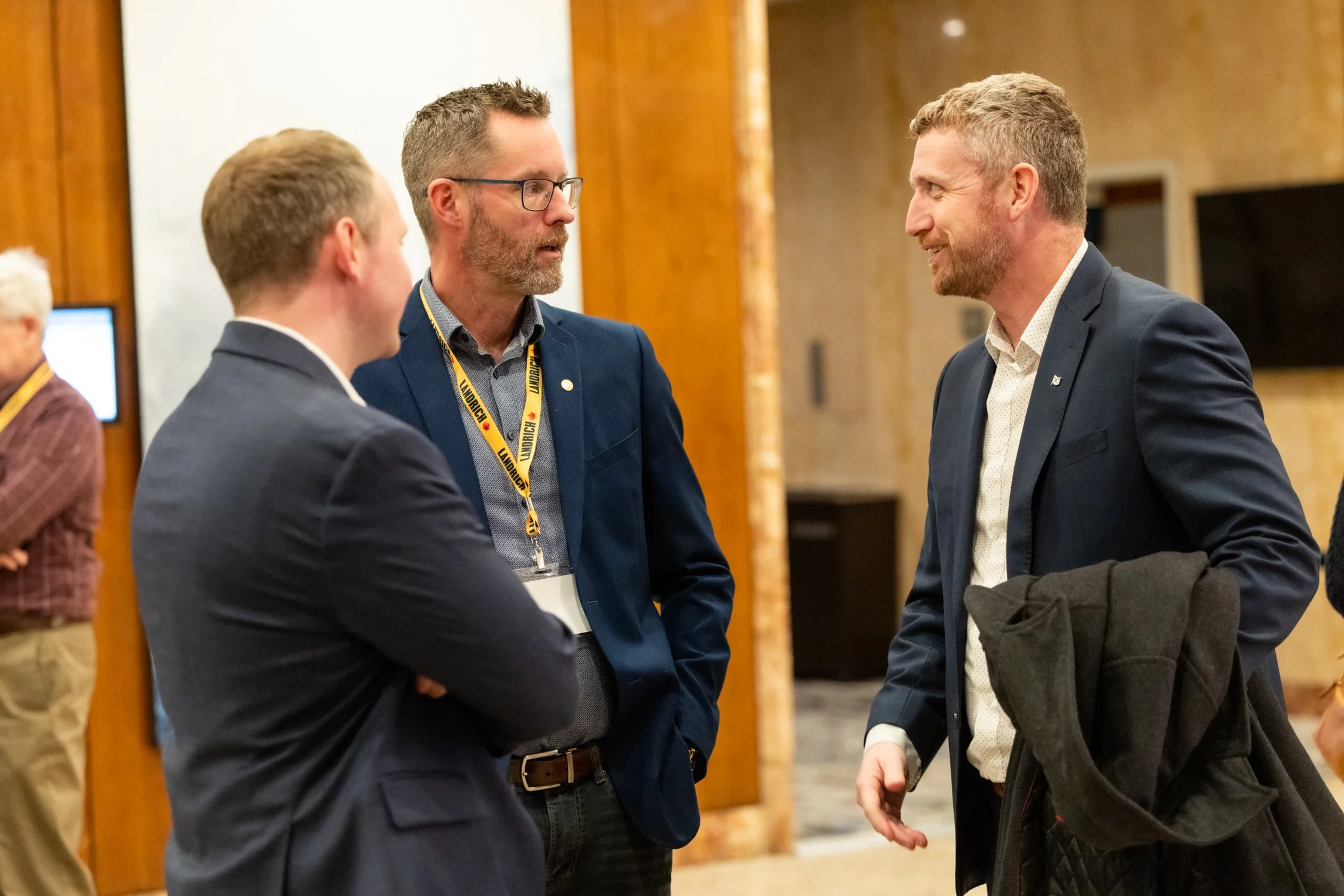
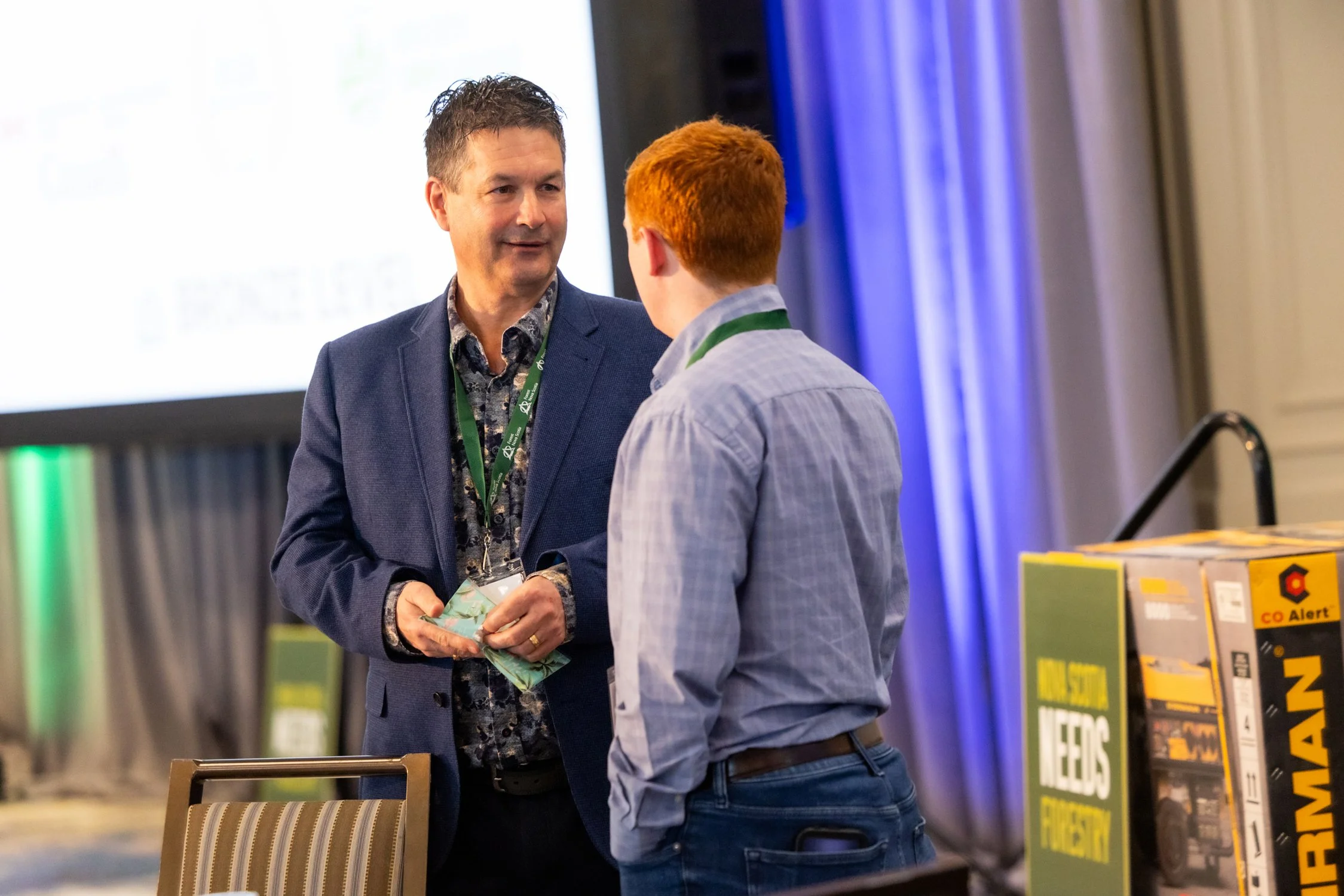
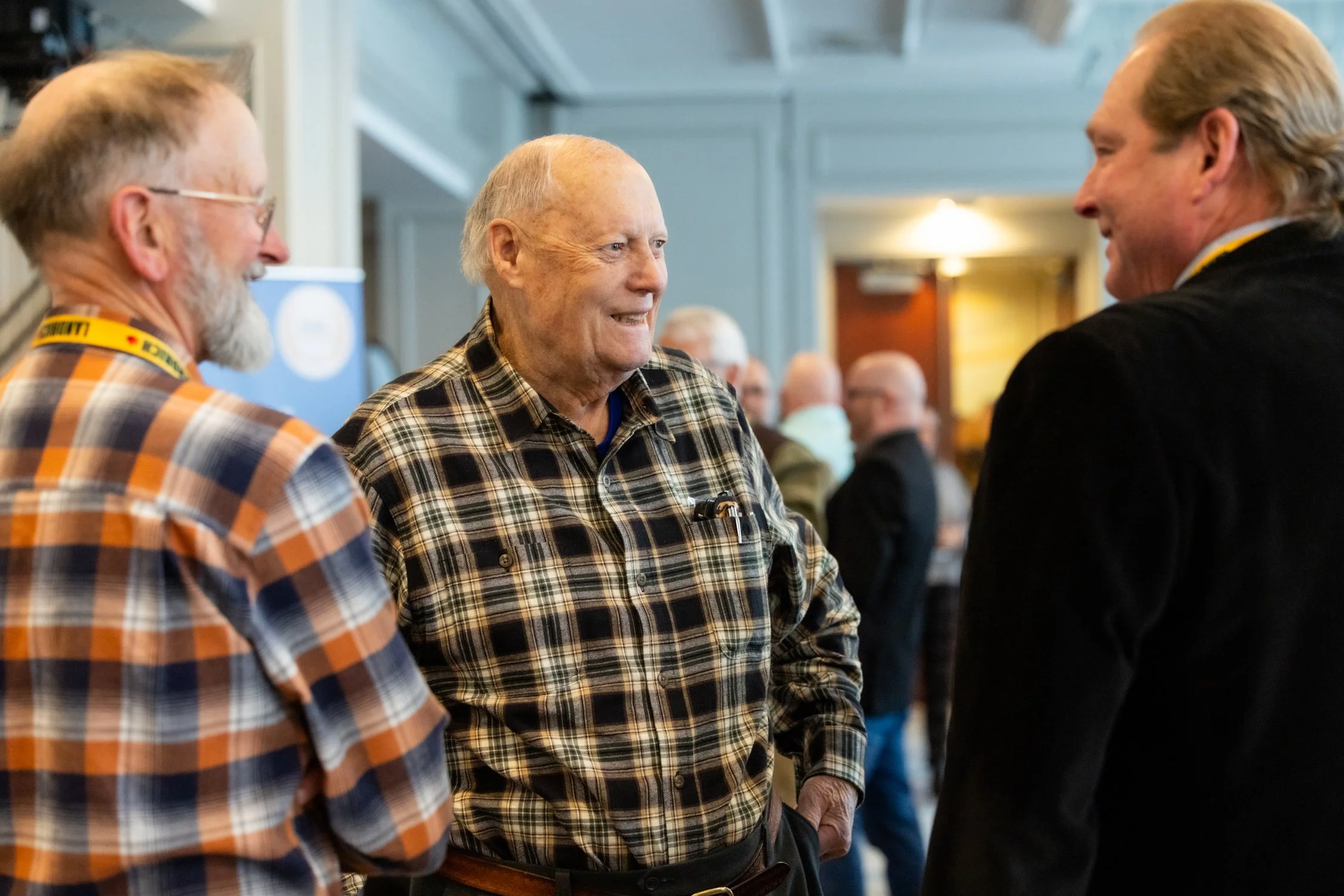
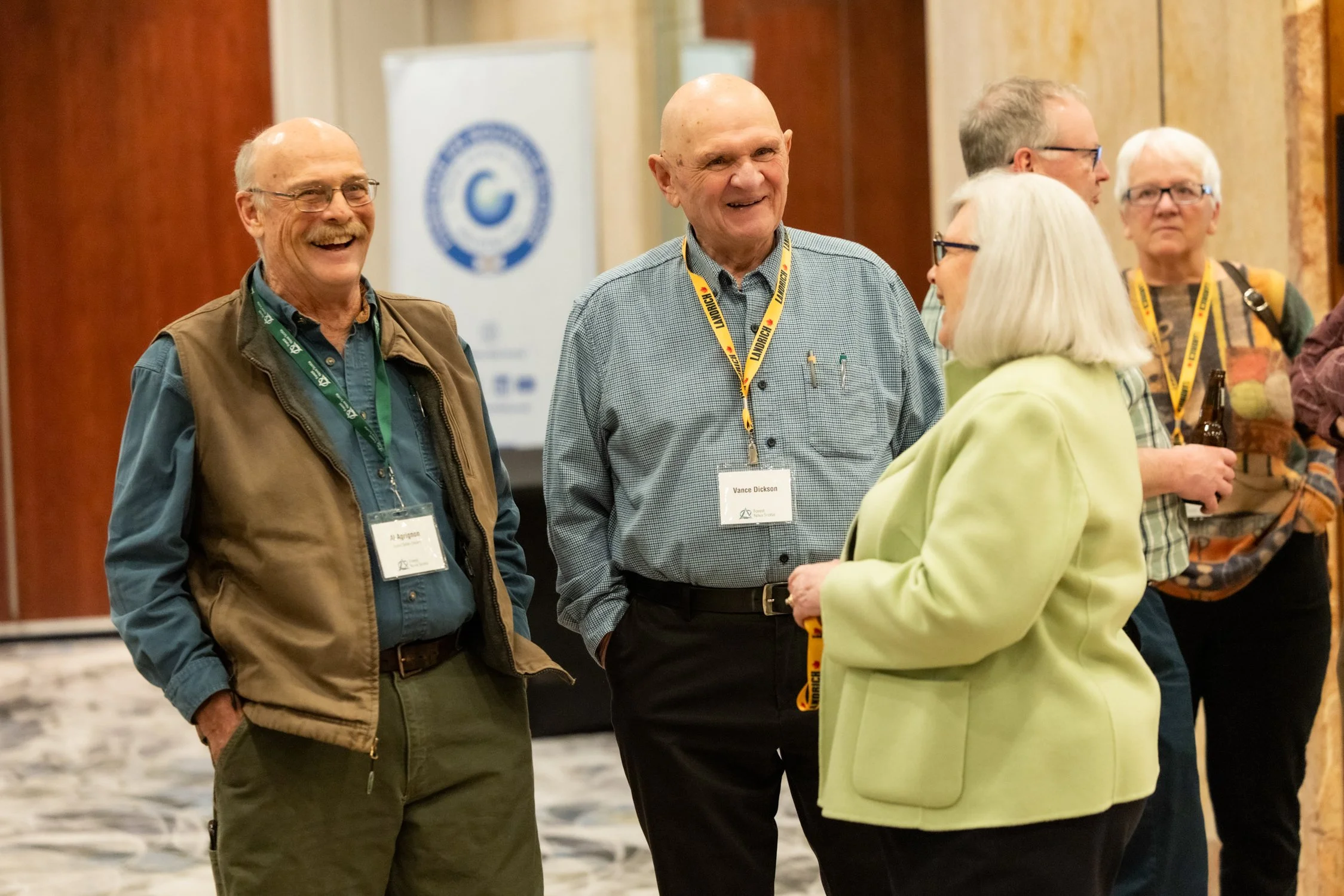
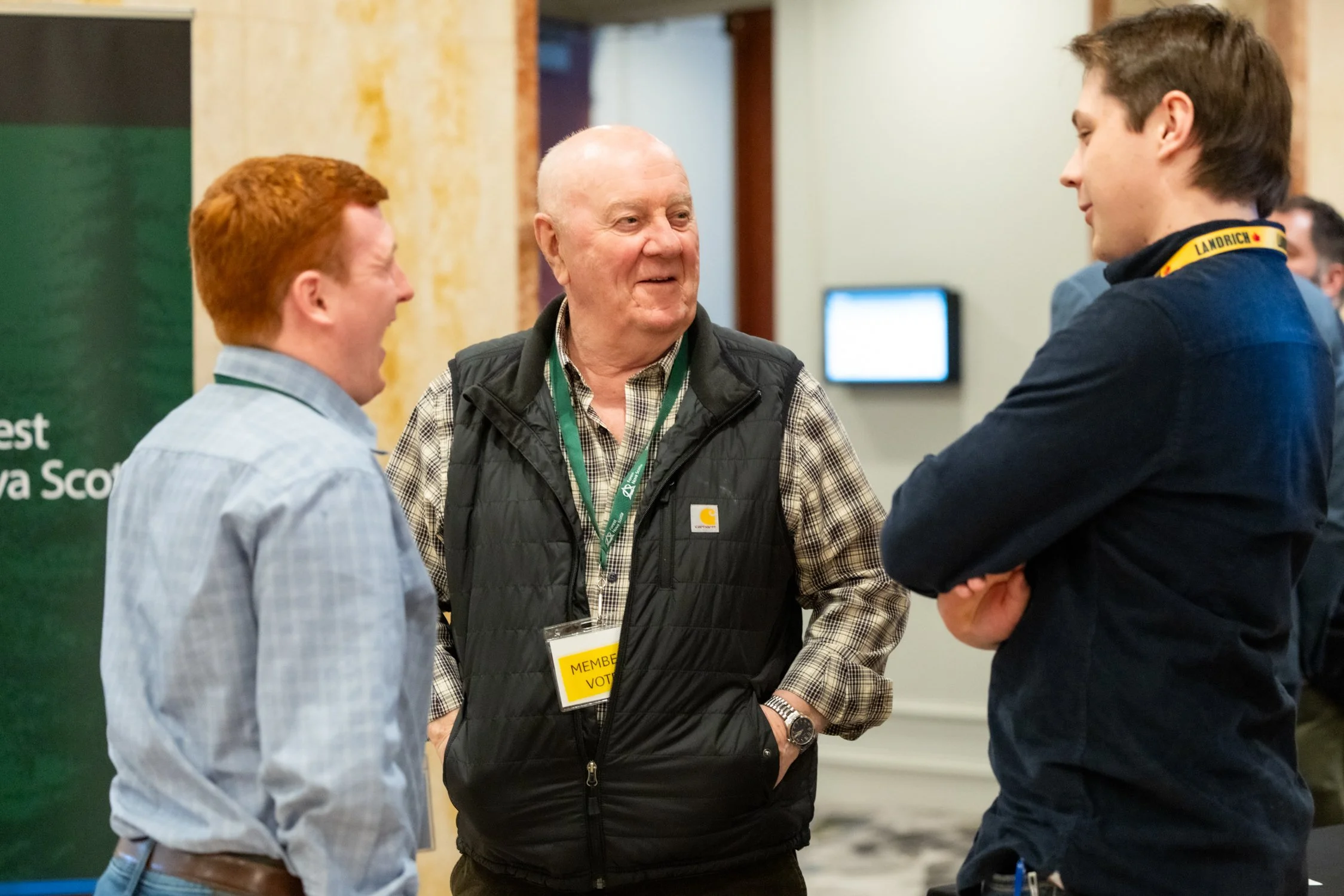
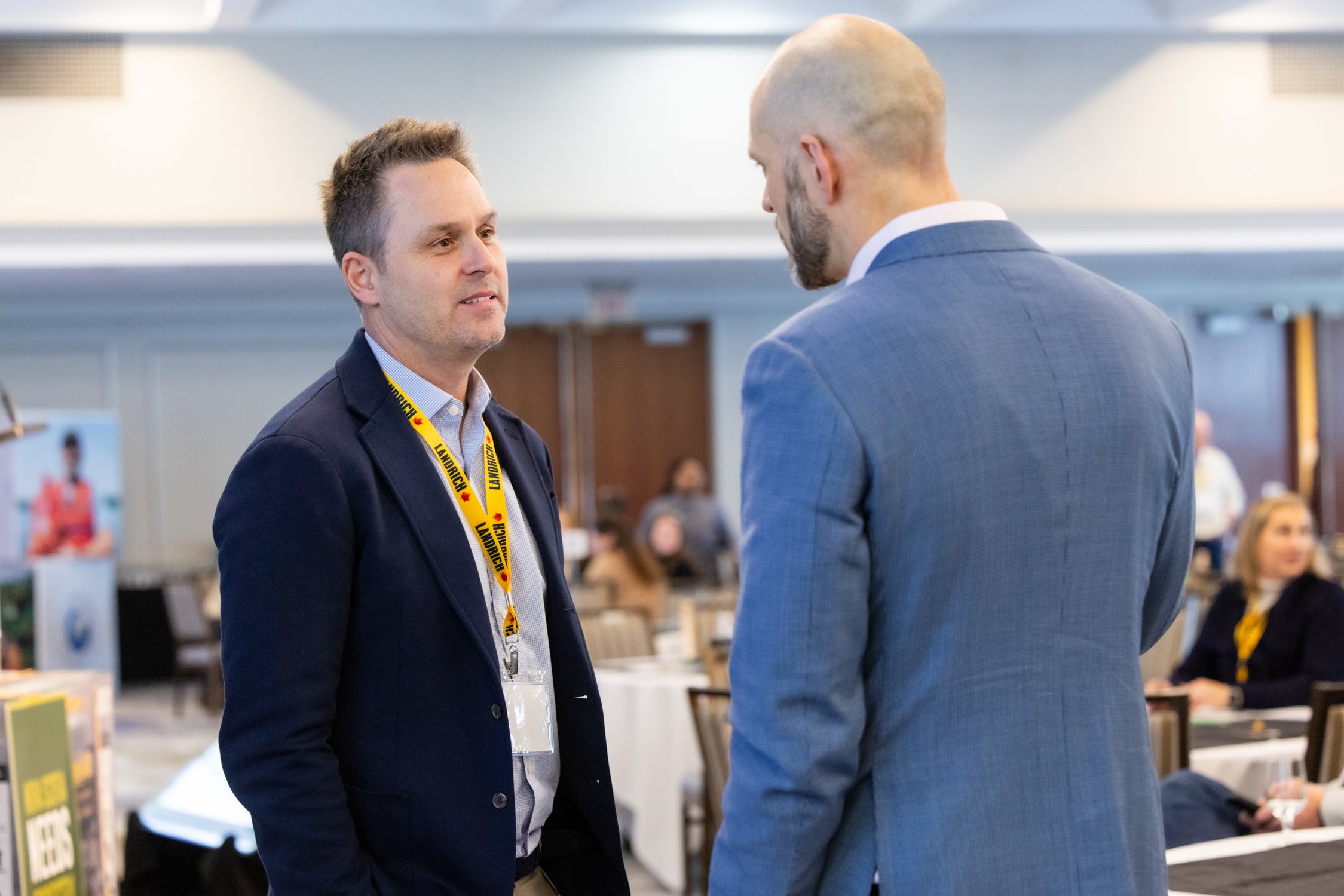
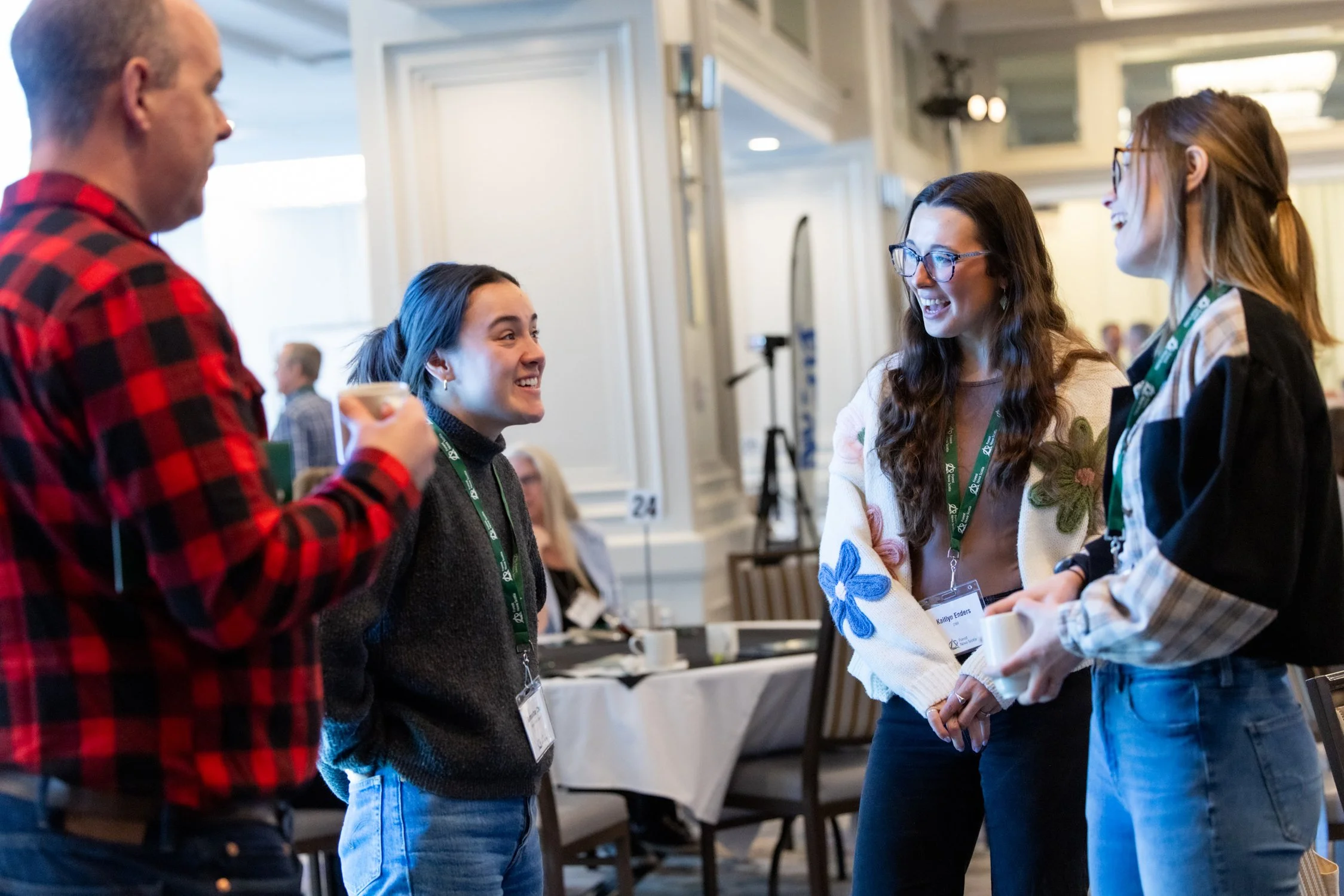
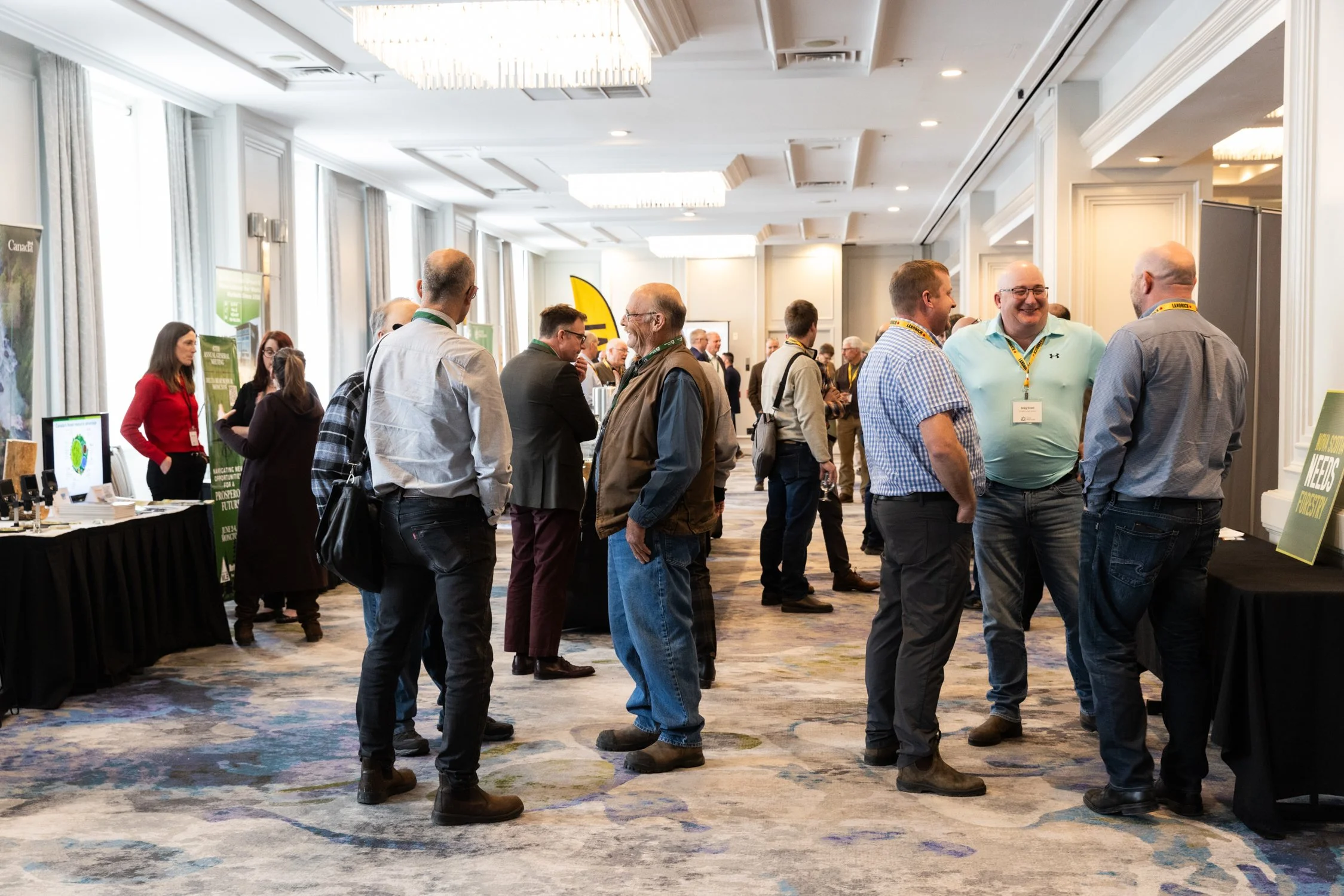
Amid the powerful discussions and knowledge-sharing, there was also time to unwind and connect at the dinner and awards reception, and through many other informal opportunities that strengthened relationships across the industry. The sense of connection on display was a true testament to an industry built on relationships, while remaining welcoming and supportive of new participants. At the dinner, we took a moment to remember Richard Freeman, a deeply respected and steadfast advocate for Nova Scotia’s forest products sector, whose leadership and commitment to the thousands of Nova Scotians working within the industry left a lasting impact across the organizations and communities he served.
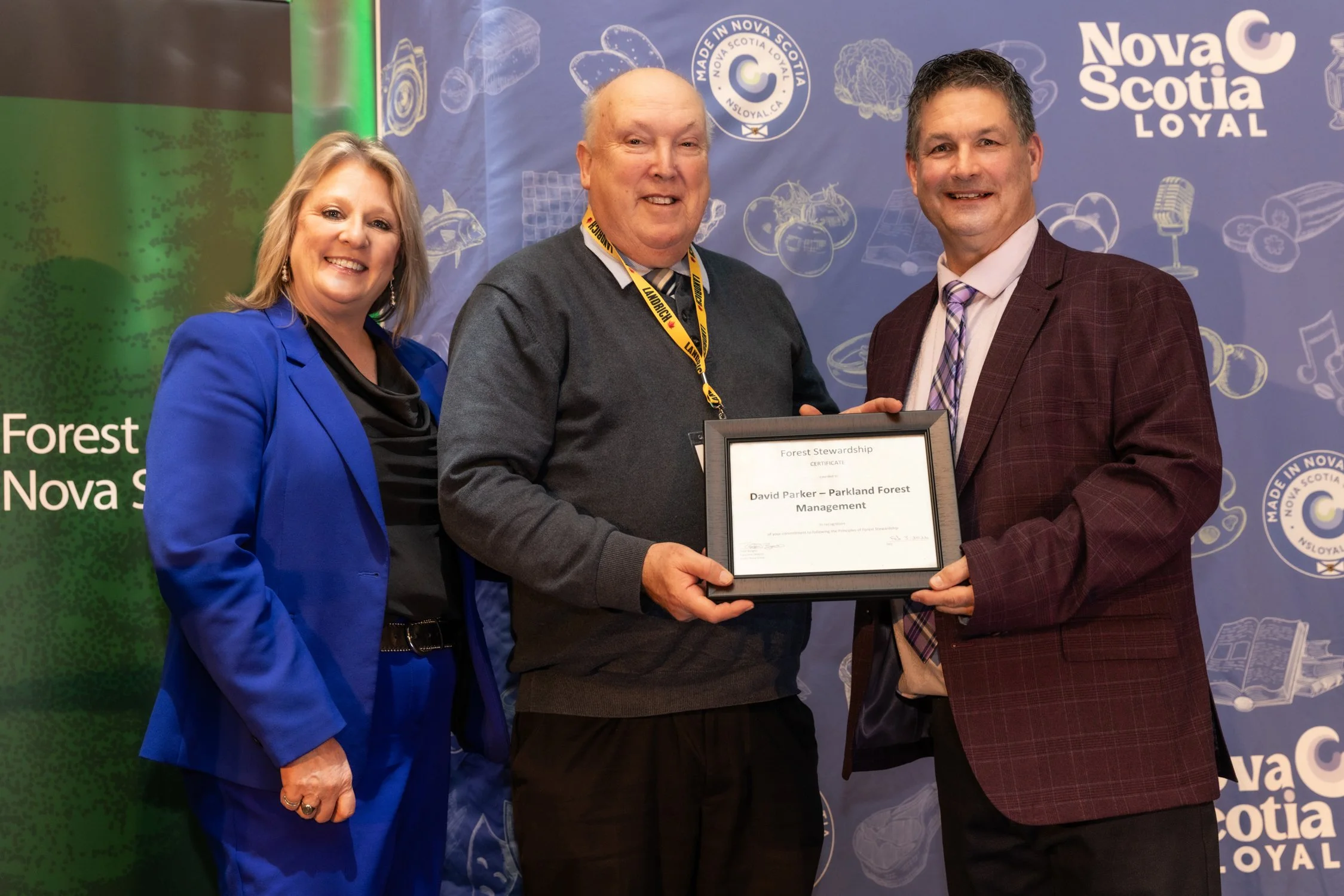
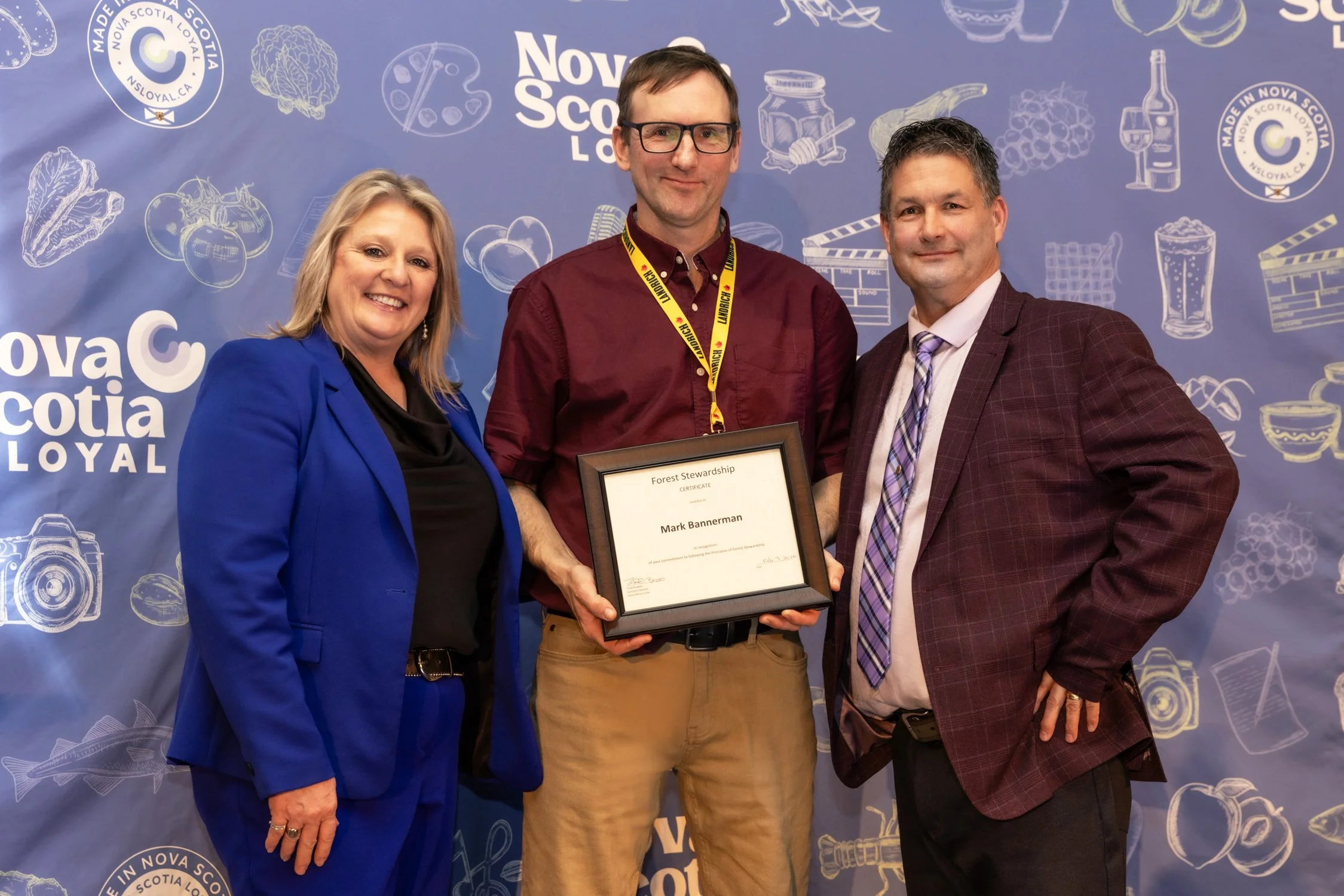
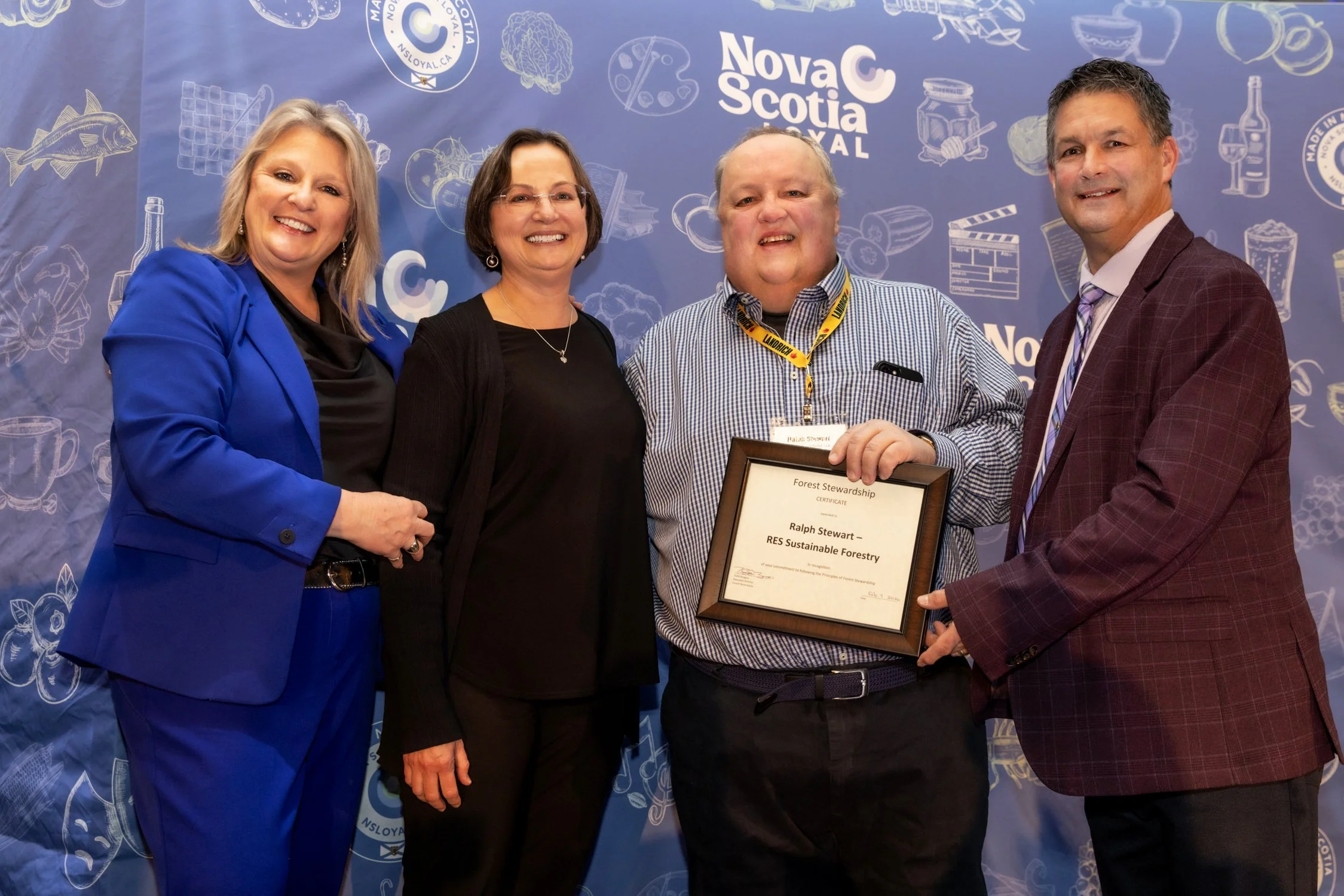
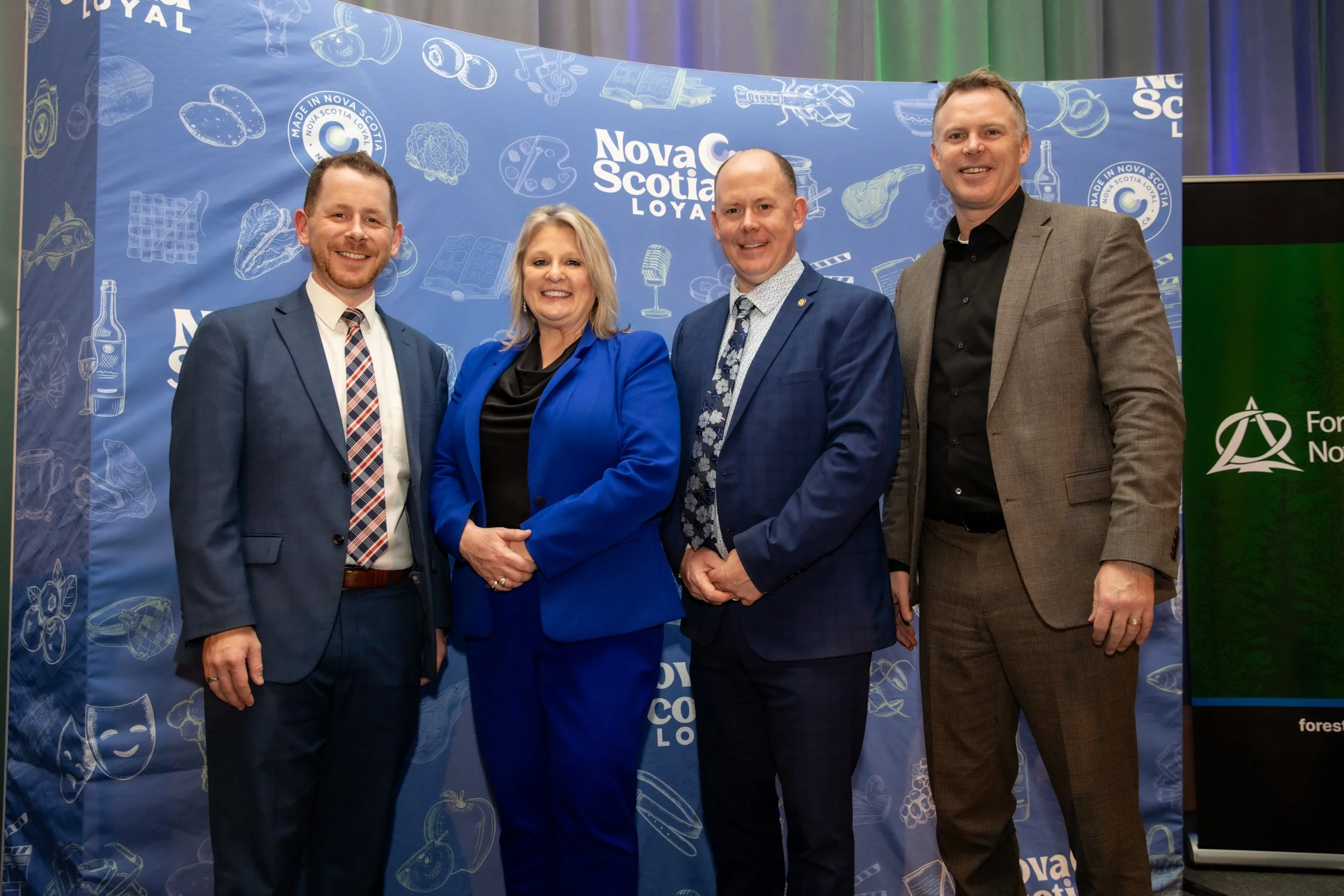
Minister Masland presented this year’s Forest Stewardship Certificates to the following recipients, recognizing their outstanding leadership across the industry:
Ralph Stewart (RES Sustainable Forestry)
David Parker (Parkland Forest Management)
Jim Verboom (Nova Tree Co. Inc.)
Tyler Harrison (Xylem Resources)
Pat and Janet O’Toole (Rose Briar Farm)
Peter Neily
Dana Graham
Mark Bannerman (Next Generation Forest Management)
Bill Angevine (Angevine Horse Logging)
Glen Rosse
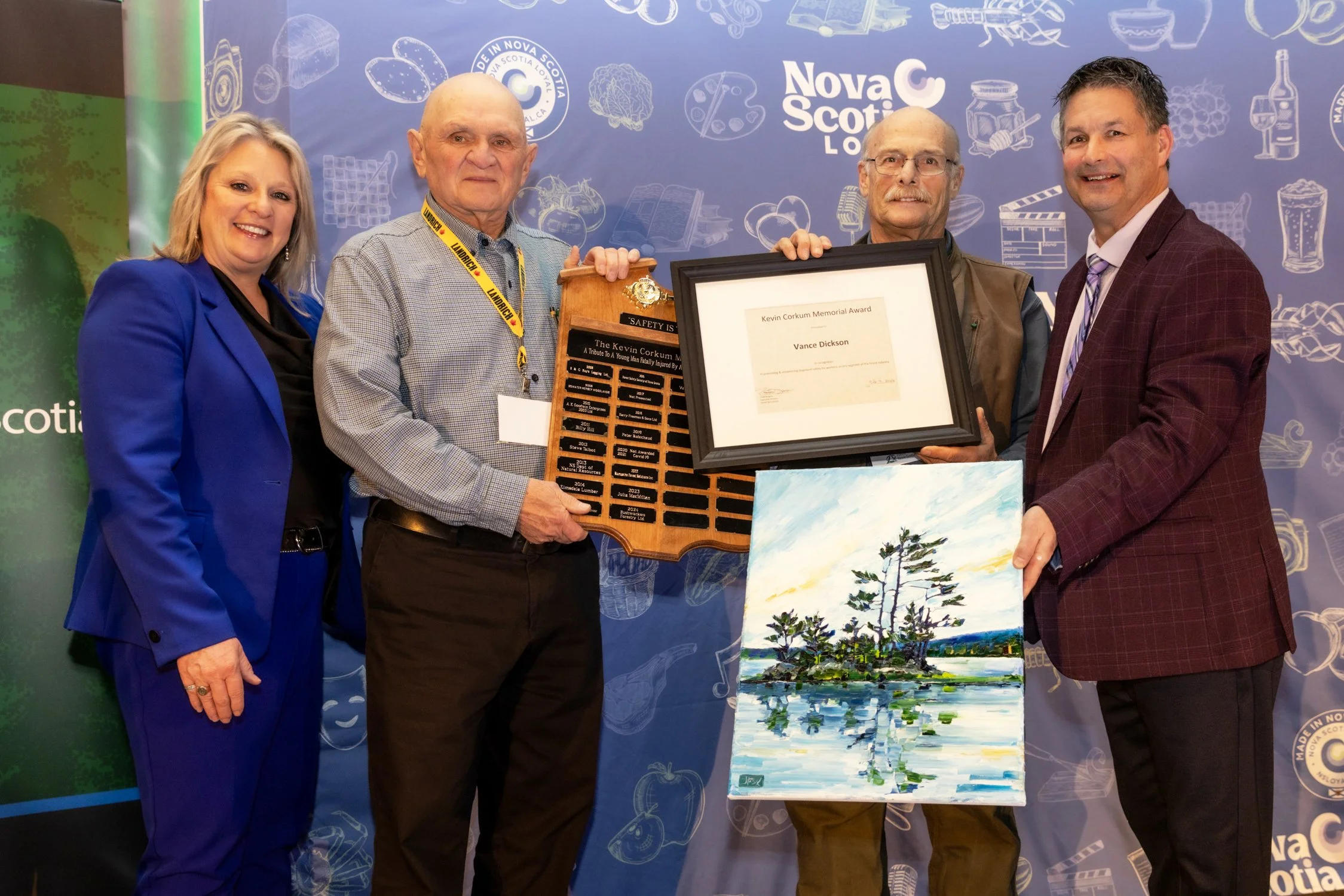
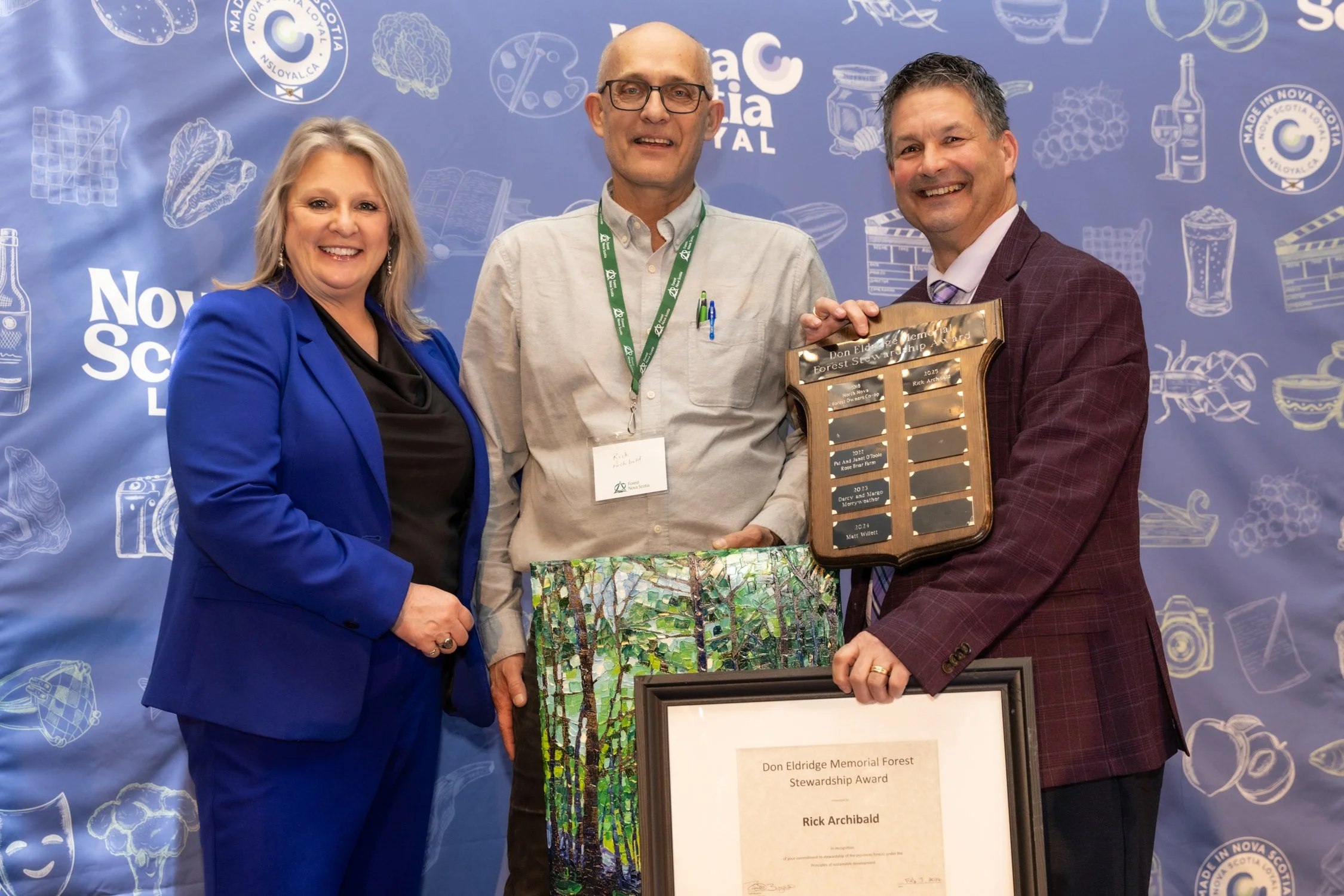
The Kevin Corkum Memorial Safety Award was presented to Vance Dickson, and the Don Eldridge Memorial Forest Stewardship Award was awarded to Rick Archibald.
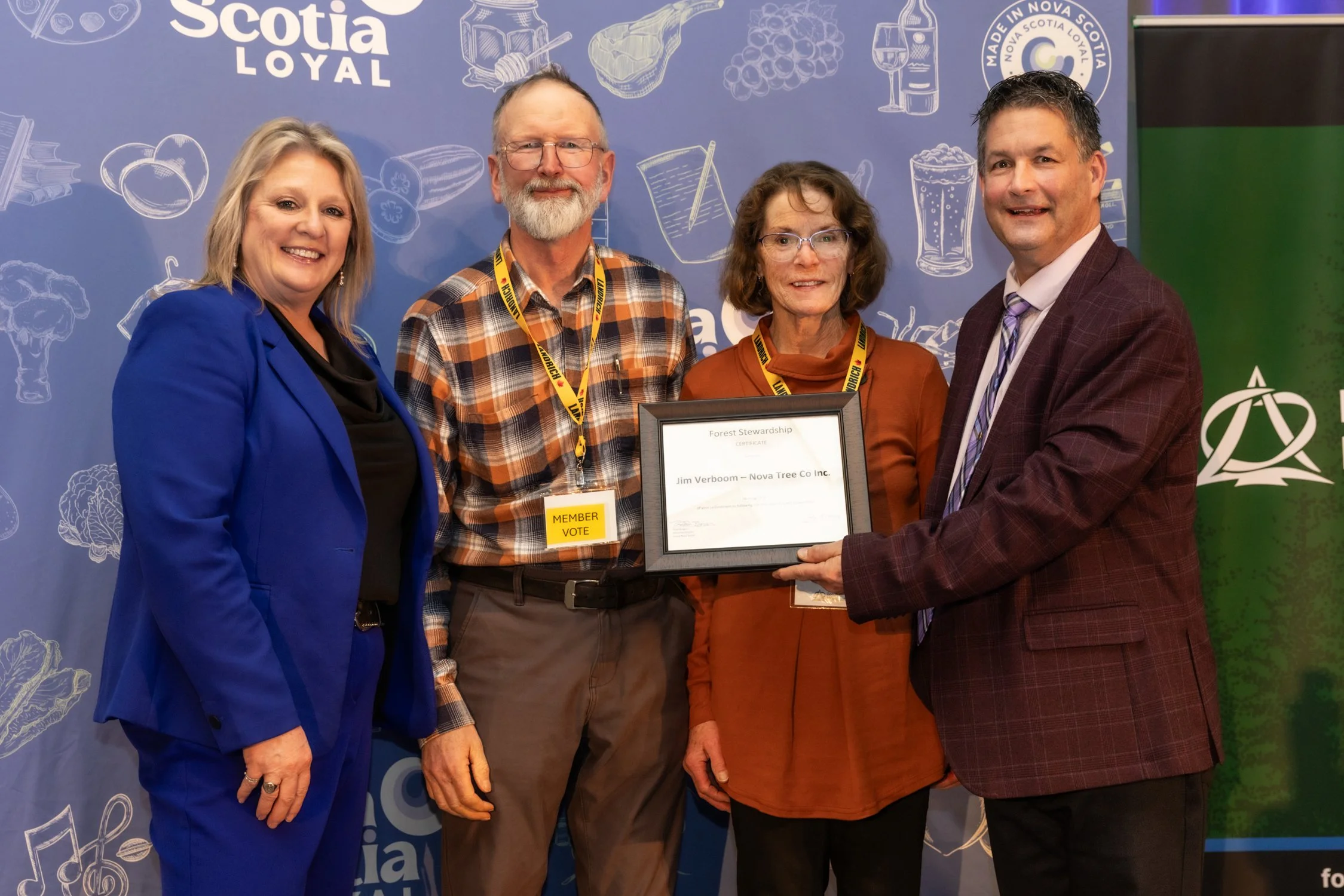
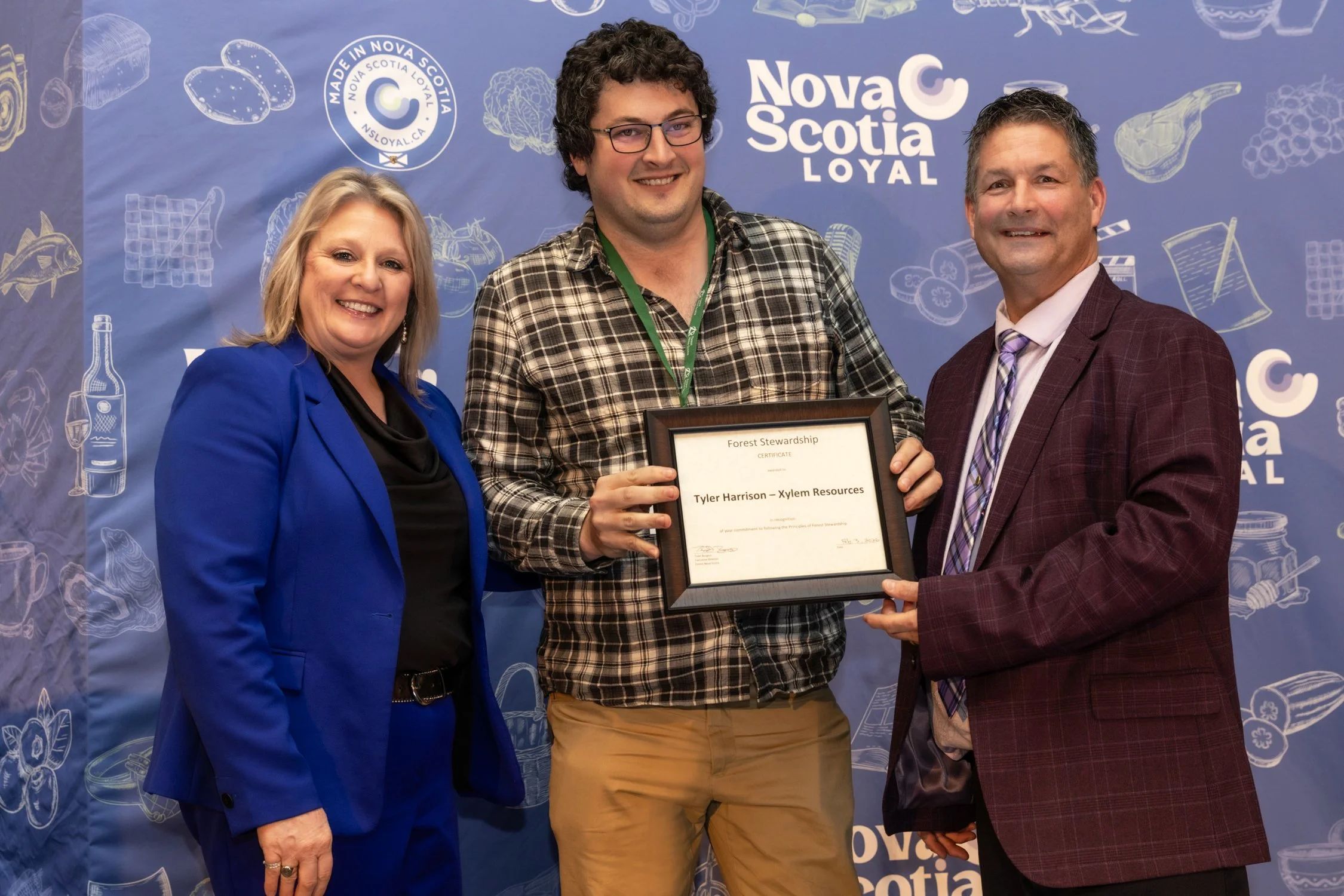
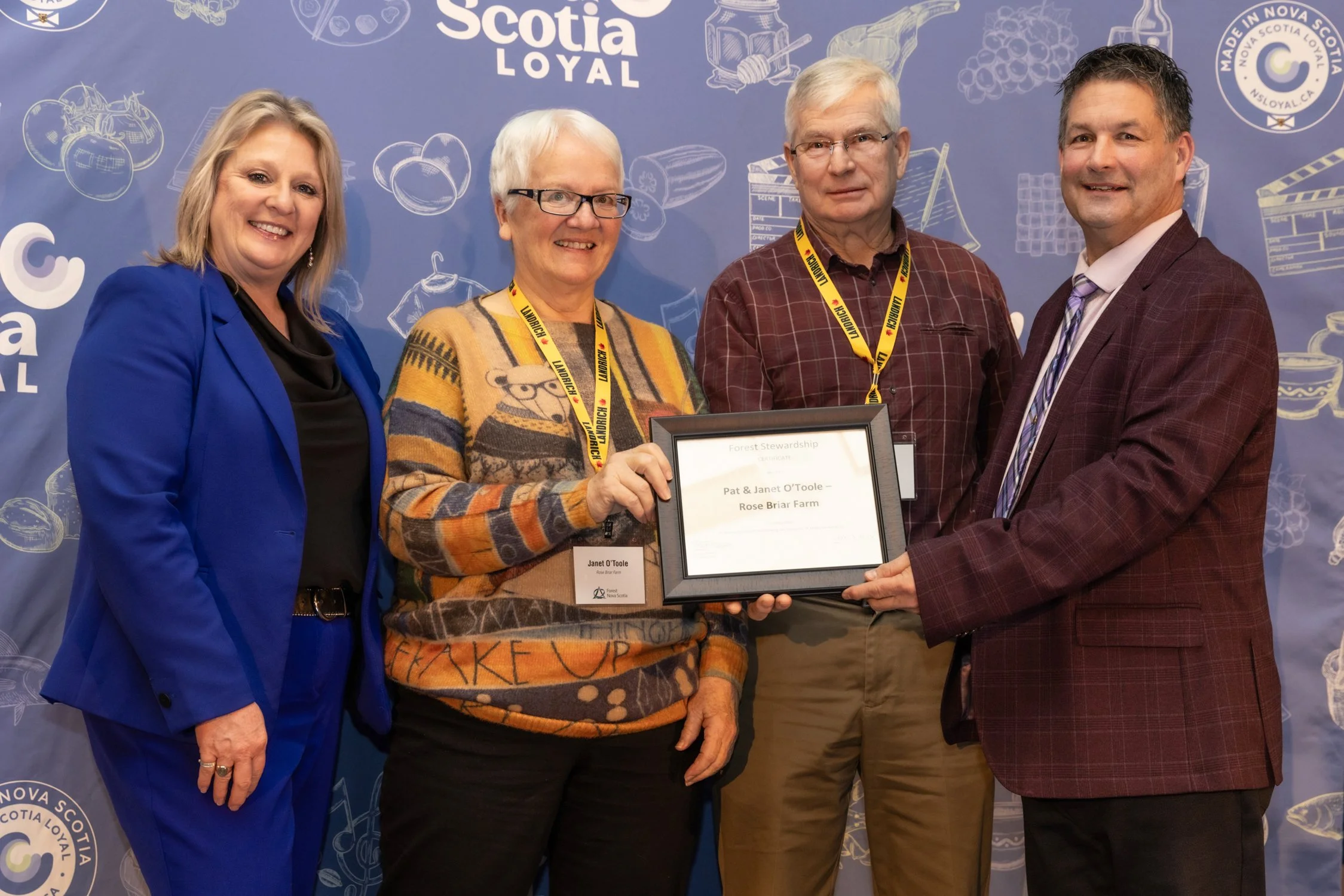
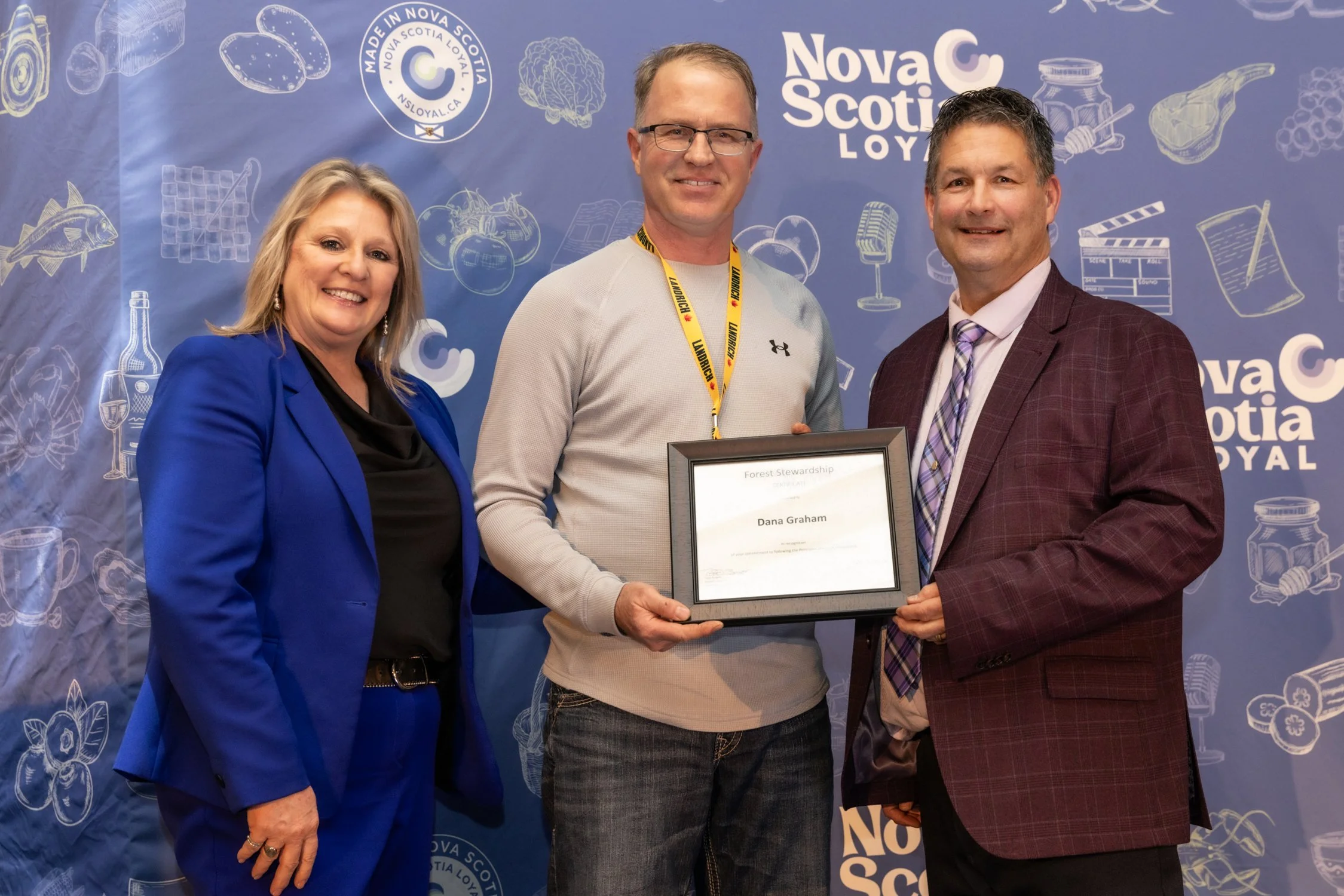
On day two, learning continued to deepen as speakers shared insights on energy-positive homes, with Jackson Wyatt of CABN Co. highlighting innovations in sustainable, net-zero home design, as well as discussions on “black gold” biochar, and continuing education in the forestry sector. The education panel focused on attracting, training, and retaining the next generation of forestry professionals. Gareth Davies of the Maritime College of Forest Technology, Dr. Michelle Gray of UNB, and Andrew Fedora of NSCC spoke about program development at their respective institutions, and how those programs are being shaped to meet evolving forestry knowledge requirements while also strengthening the long-term stability and marketability of careers within the sector.
Sara Napier of United Way demonstrated the direct connection between forestry and positive social outcomes through innovative approaches in housing and development. She emphasized the importance of smaller, attainable homes for Nova Scotians who need housing the most right now. When we work together to create housing that meets the needs of all Nova Scotians, we also support improved health and well-being.
These ideas were reinforced during the Community Development panel featuring Napier, Gillian Reid, Reid Ltd., and Floyd Dykeman of the River Philip organization. Known for her passion for connecting people and organizations, Reid spoke to the importance of building strong relationships between organizations and the communities they serve, and how partnership models and shared responsibility help align efforts to address today’s most pressing societal challenges. Floyd highlighted the role of responsible stewardship of funding to ensure resources create meaningful, lasting impact for the communities they are meant to support.
Glenn Hardie shared The Shaw Group’s practical approach to rural development, including the creation of detailed manuals that empower non-skilled workers to participate in modular home construction. His emphasis on lifting people out of poverty by helping them build equity resonated strongly with attendees.
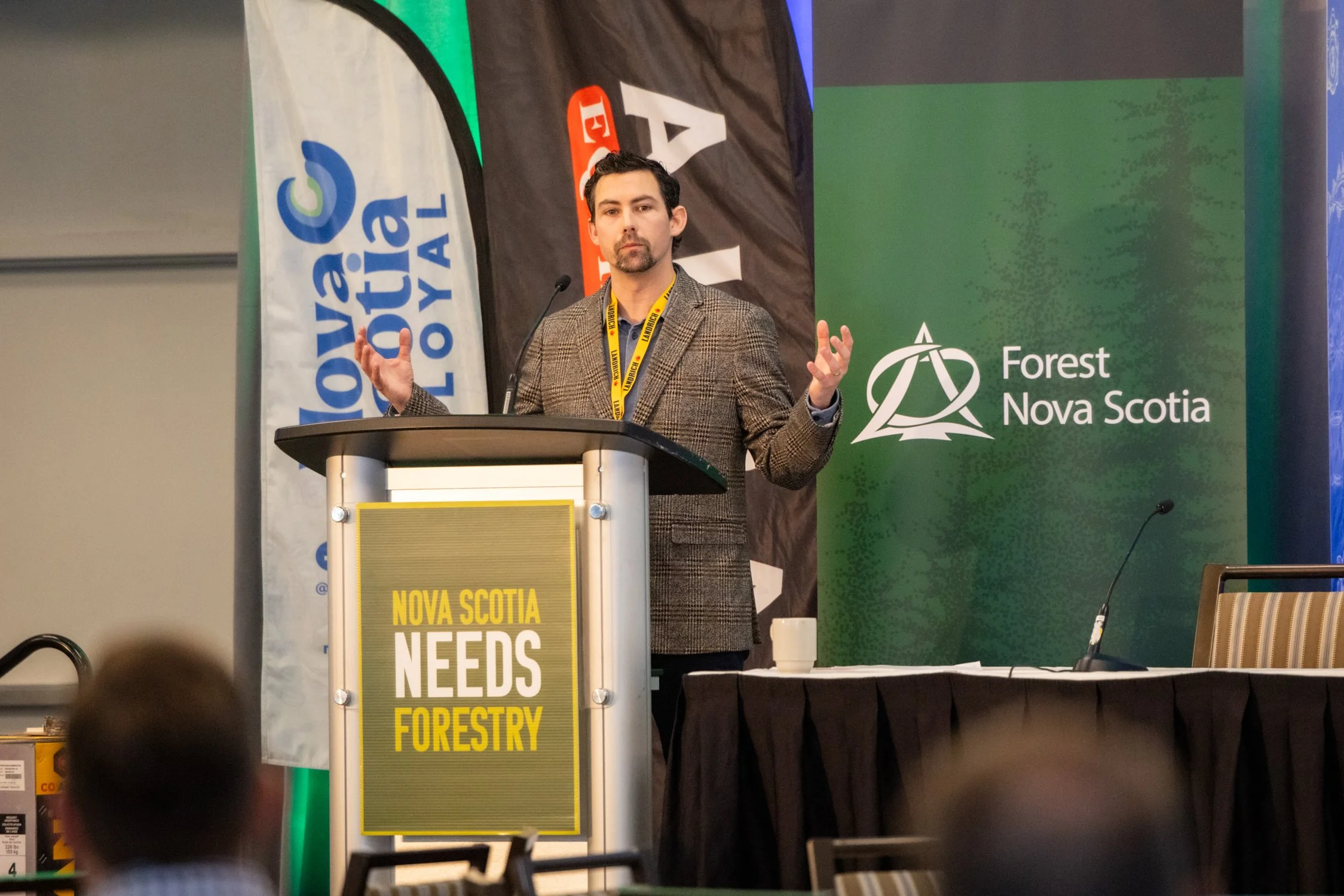
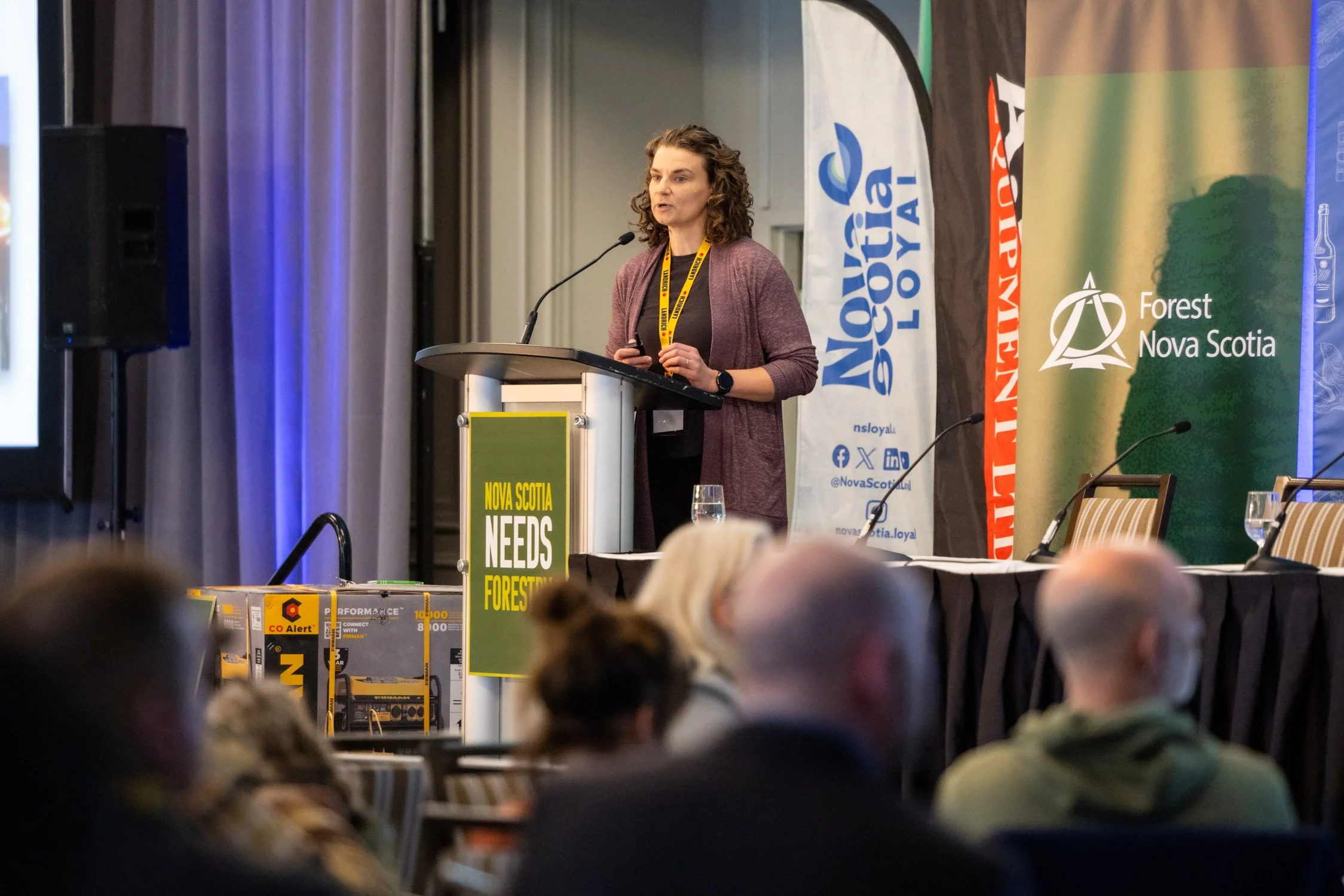
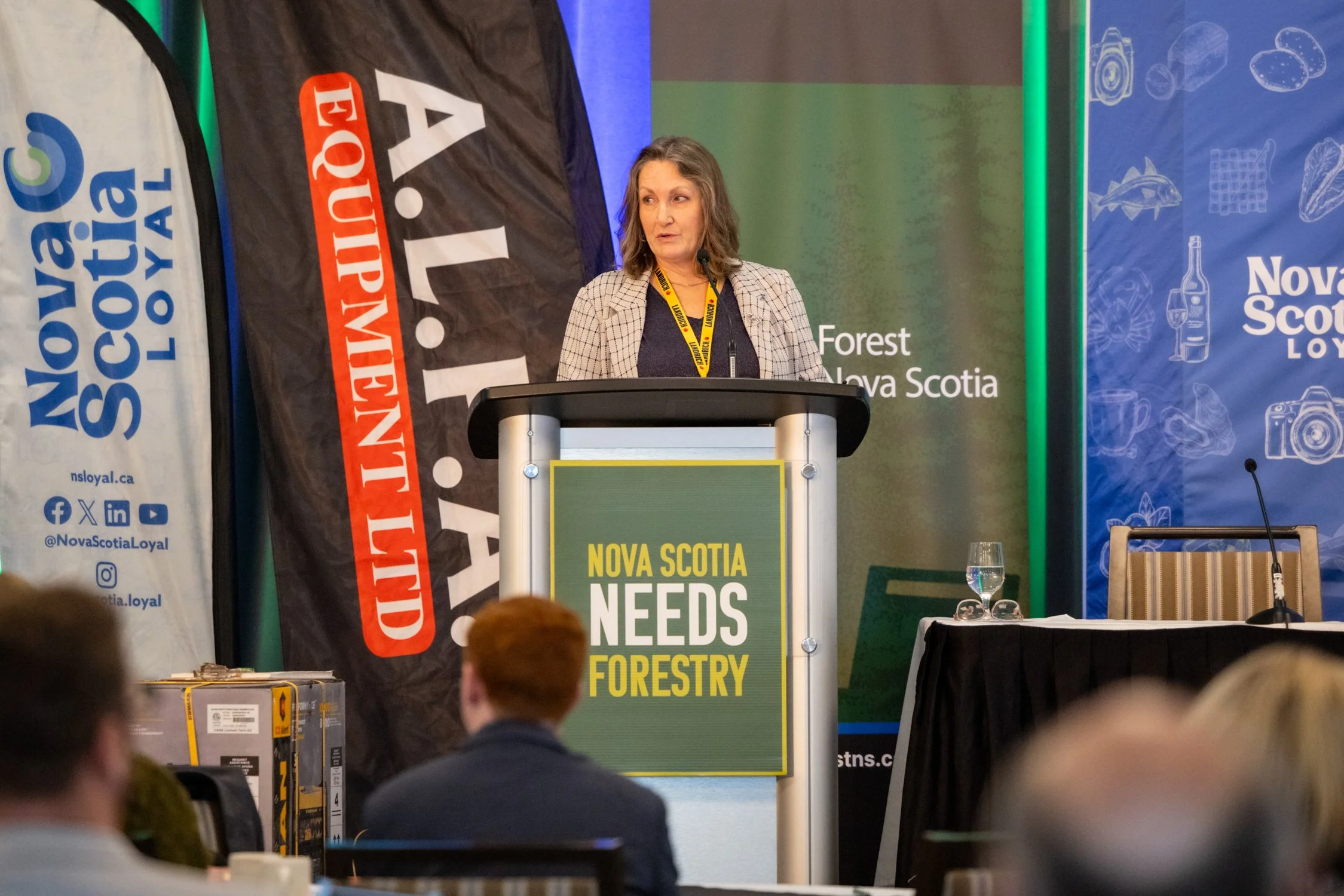
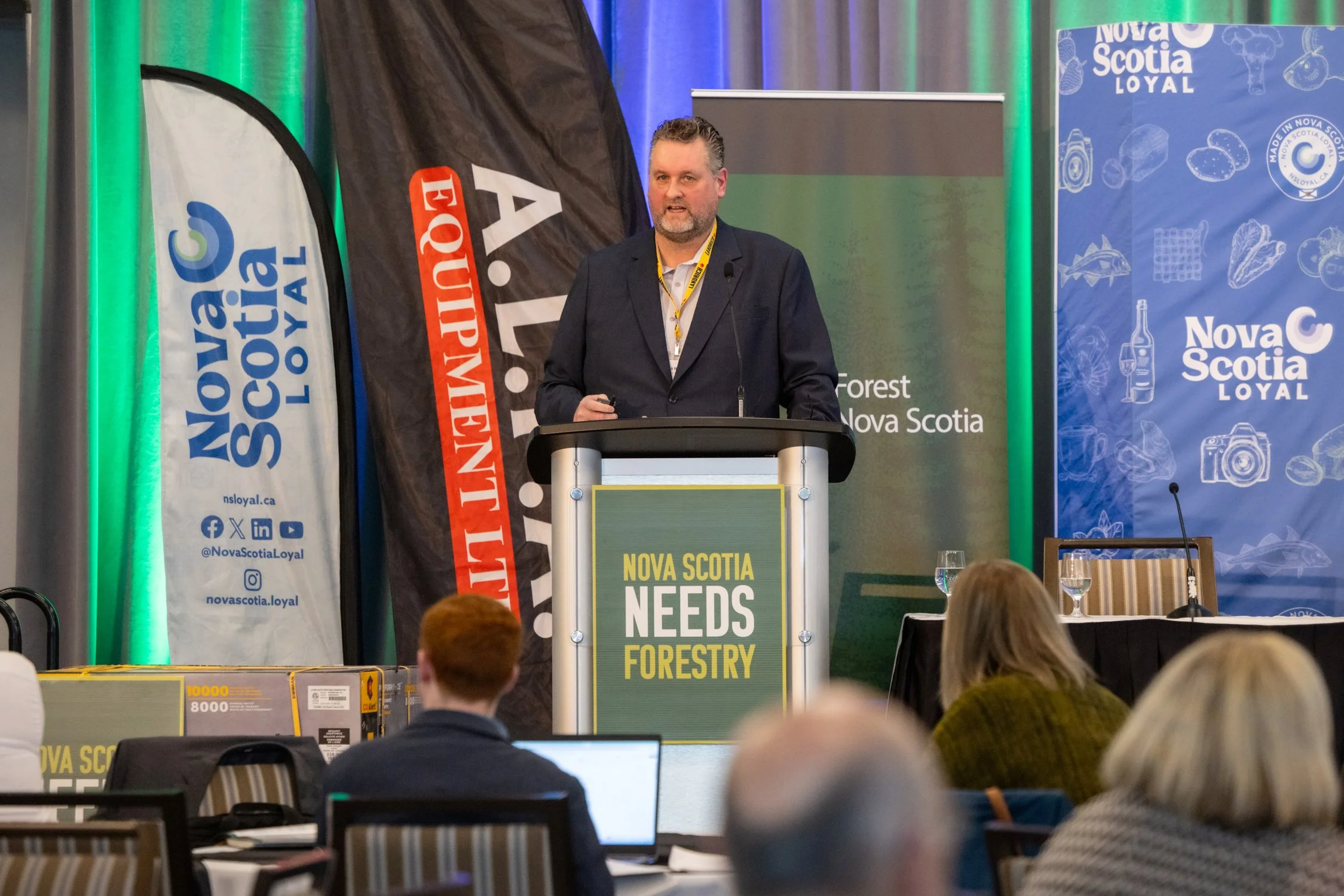
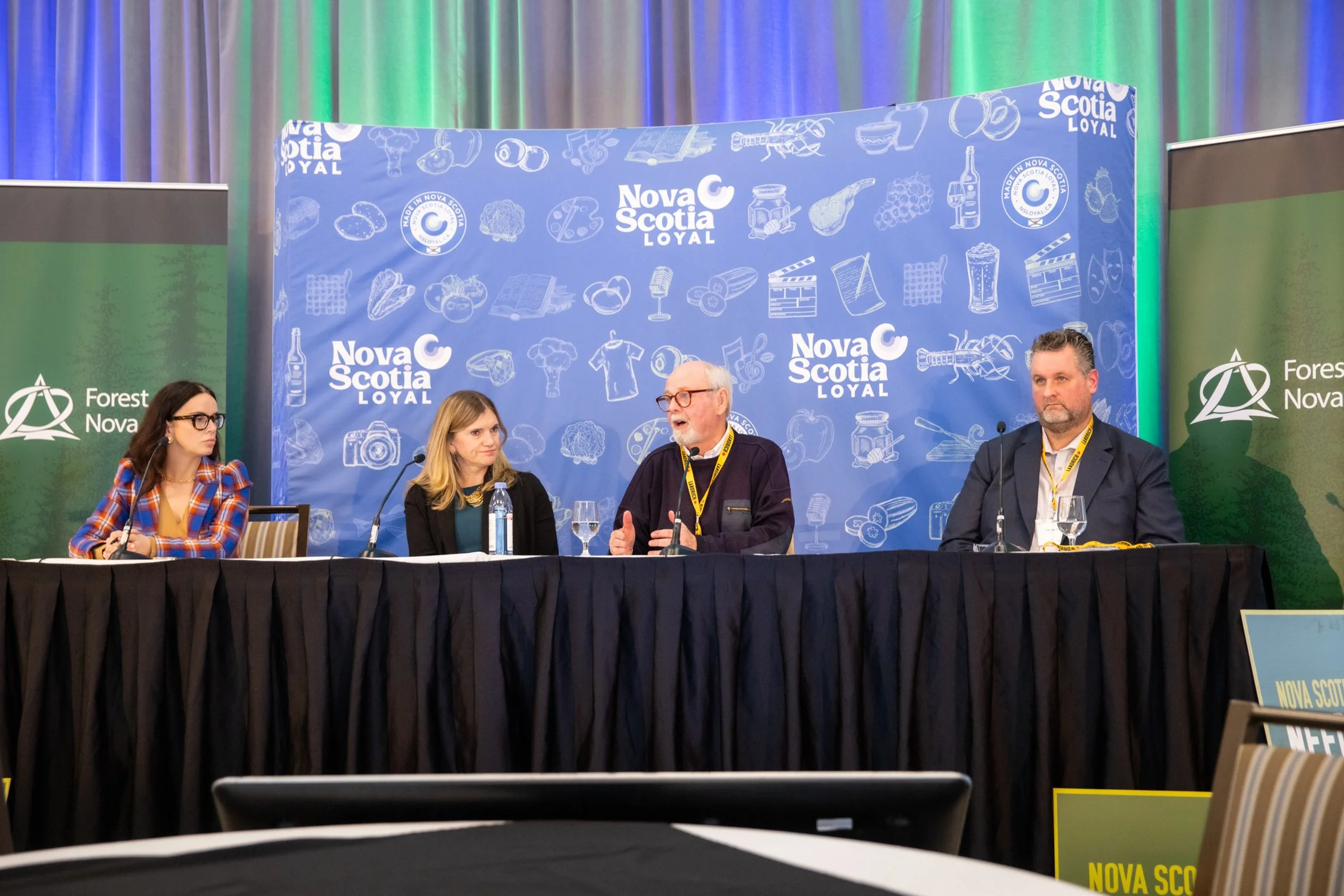
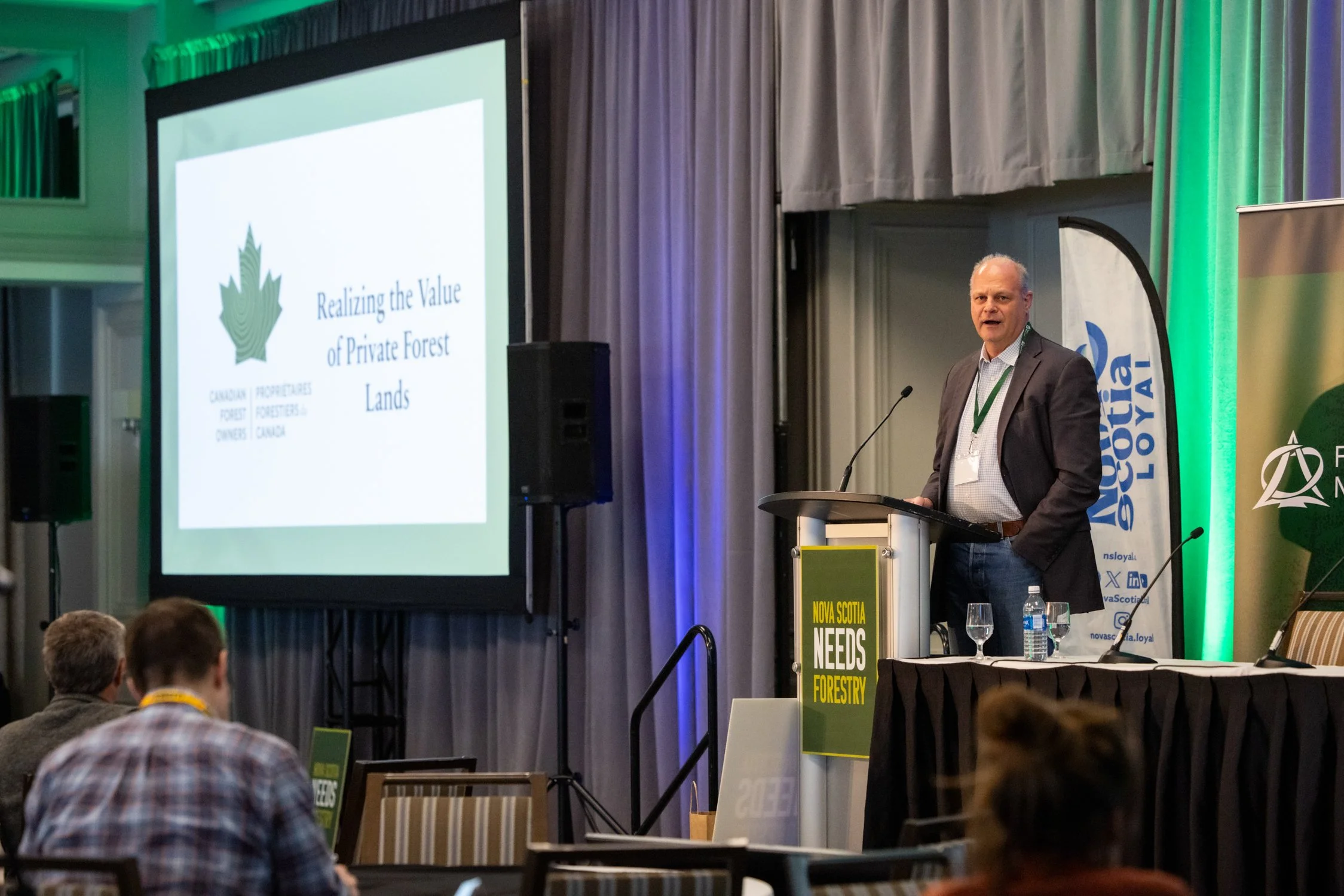
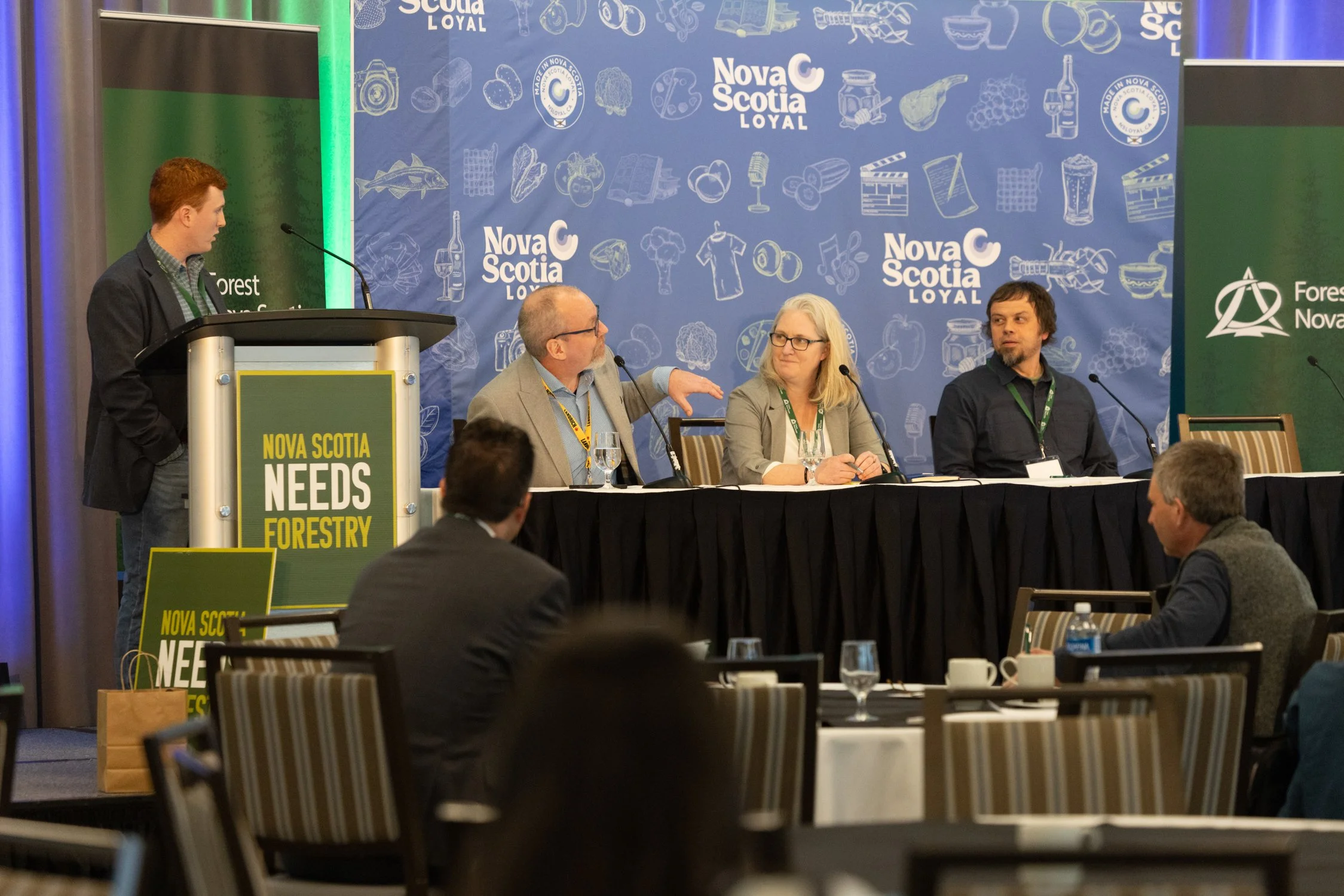
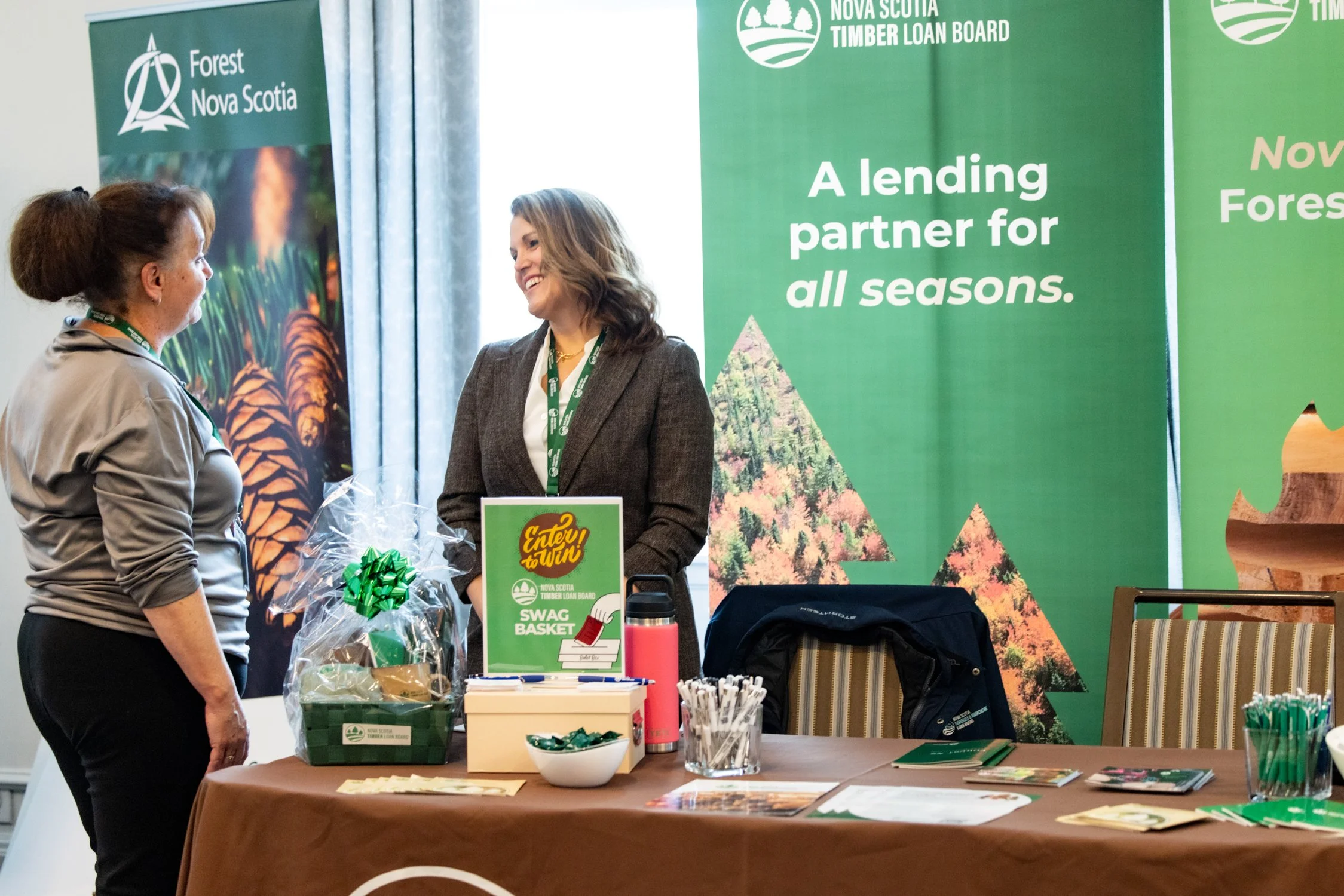
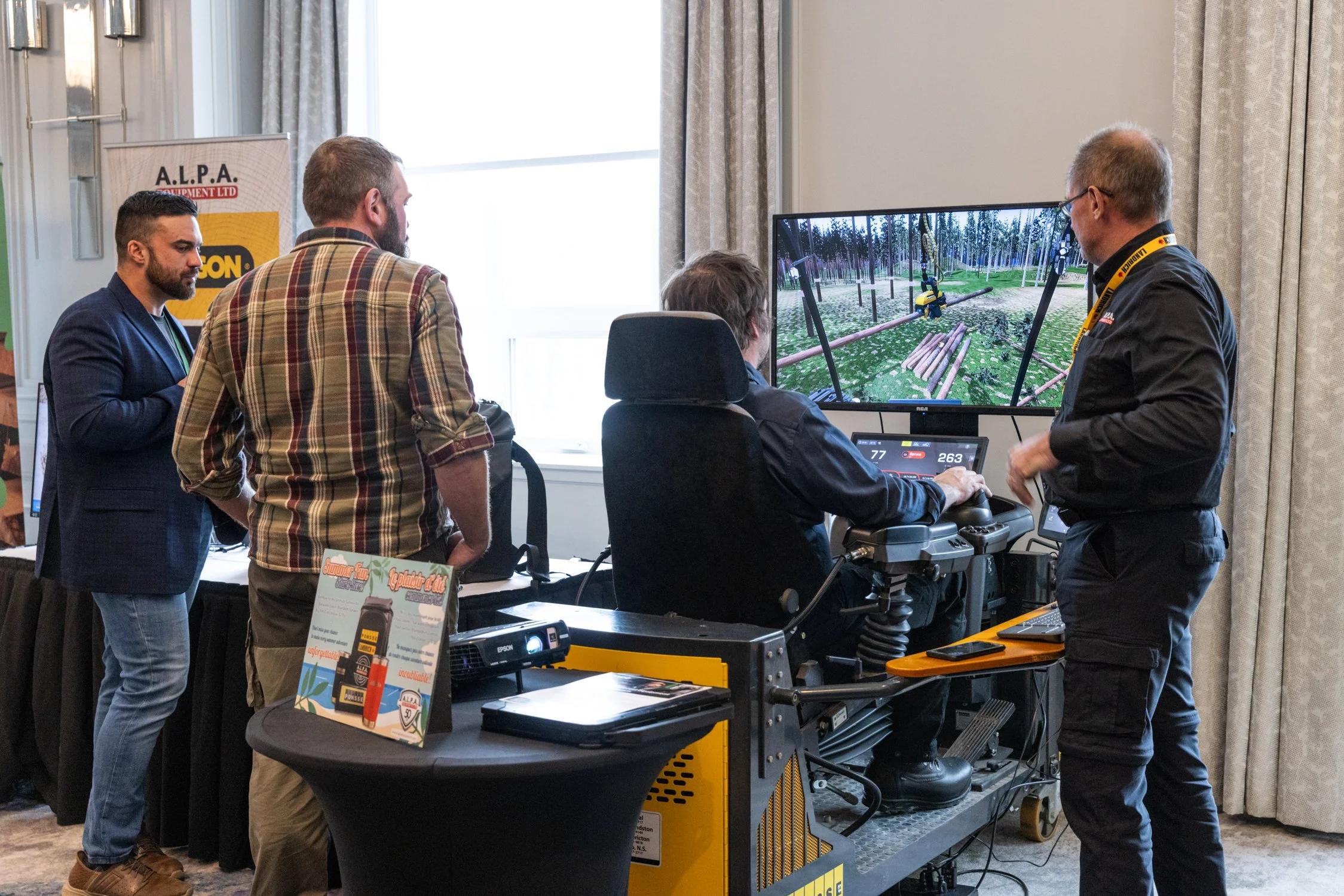
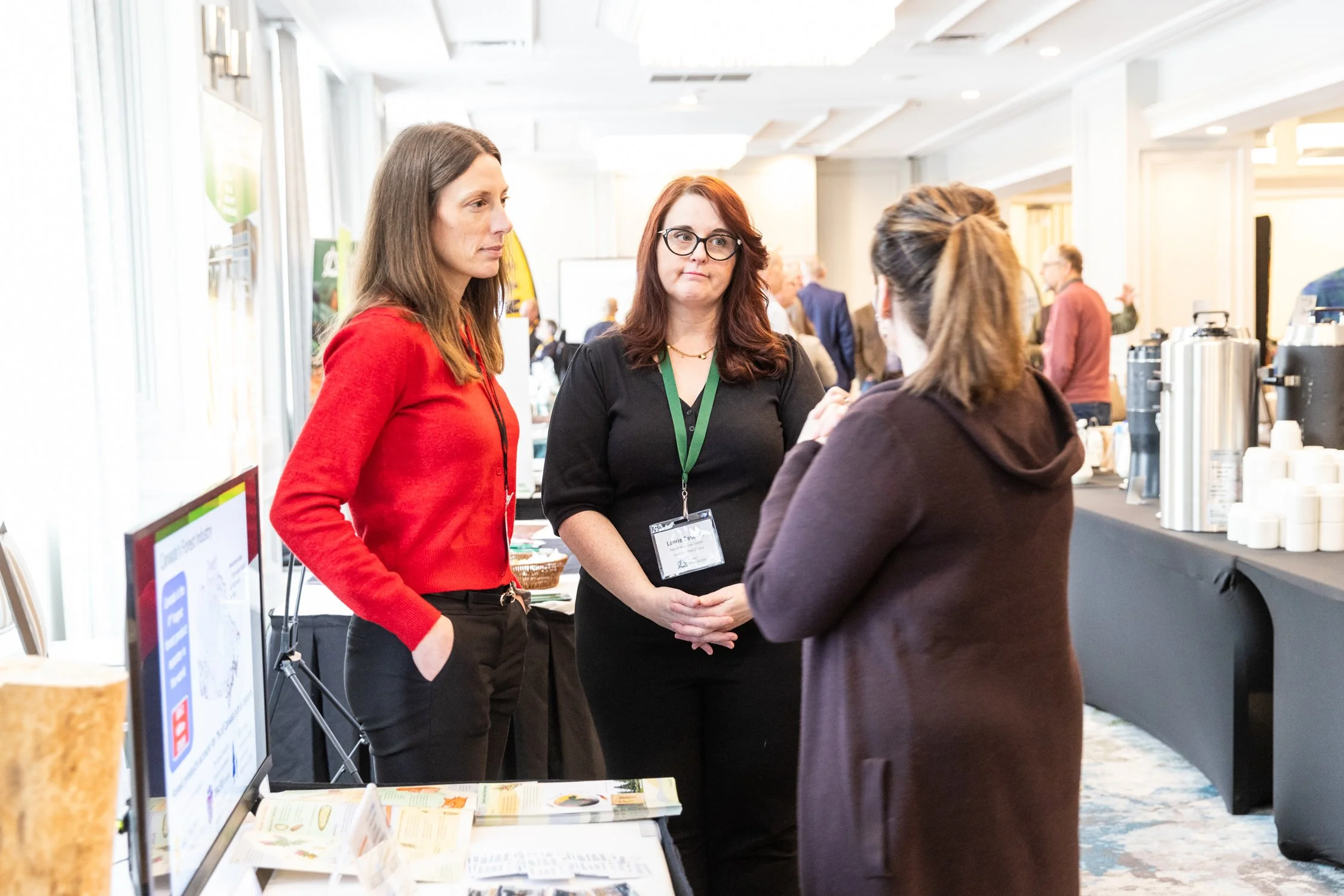
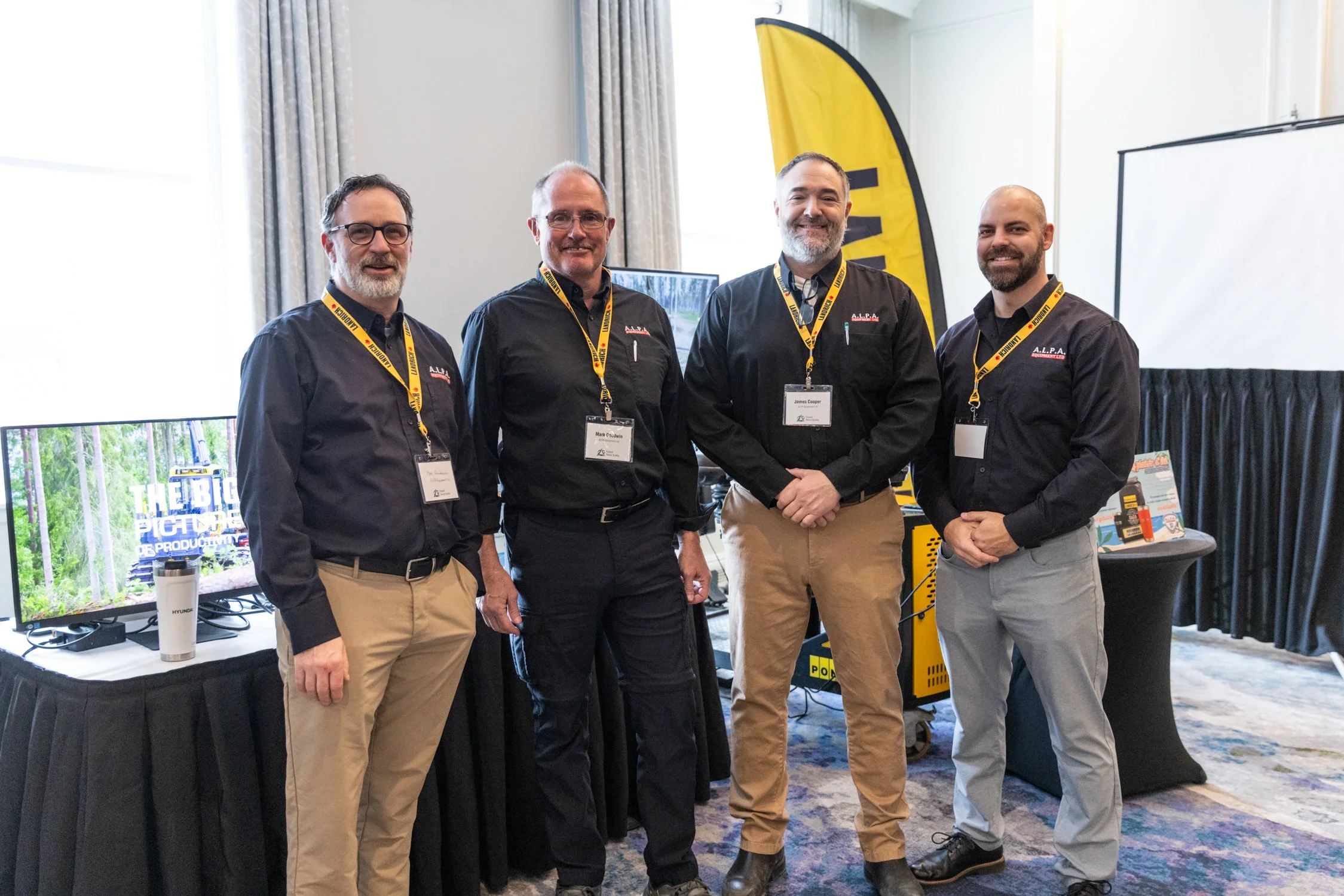
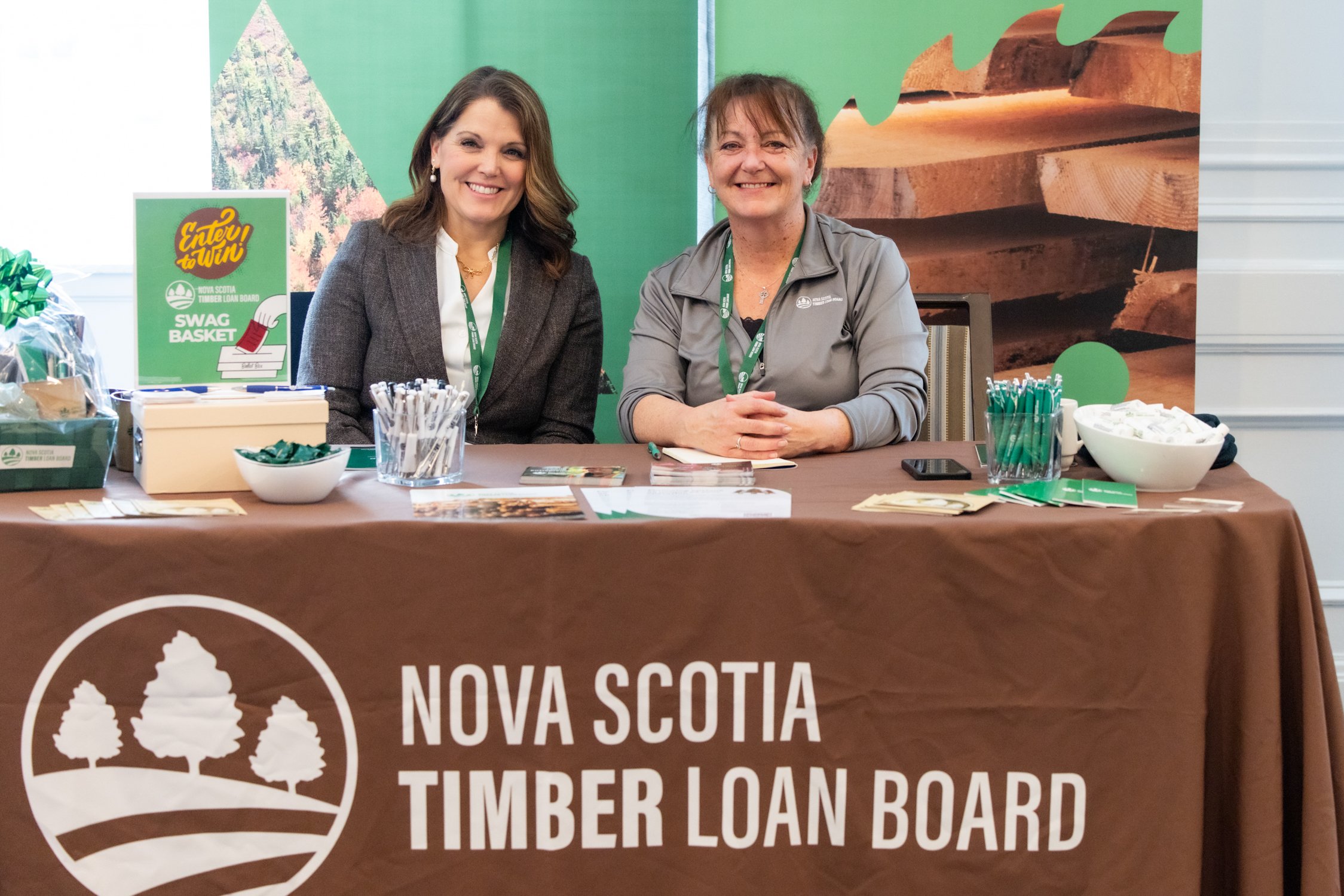
We extend our sincere thanks to our members, guests, speakers, elected officials, demonstration booth participants, and sponsors—whose support plays an important role in advancing and sustaining the forestry sector. Your presence, engagement, and partnership underscore the importance of this work and the shared commitment to building a more connected, resilient forestry community. With renewed insight, strengthened relationships, and shared purpose, the work continues. Thank you for being part of this important conversation.
We look forward to gathering again at the Westin on February 2 and 3, 2027, to continue learning and connecting together.
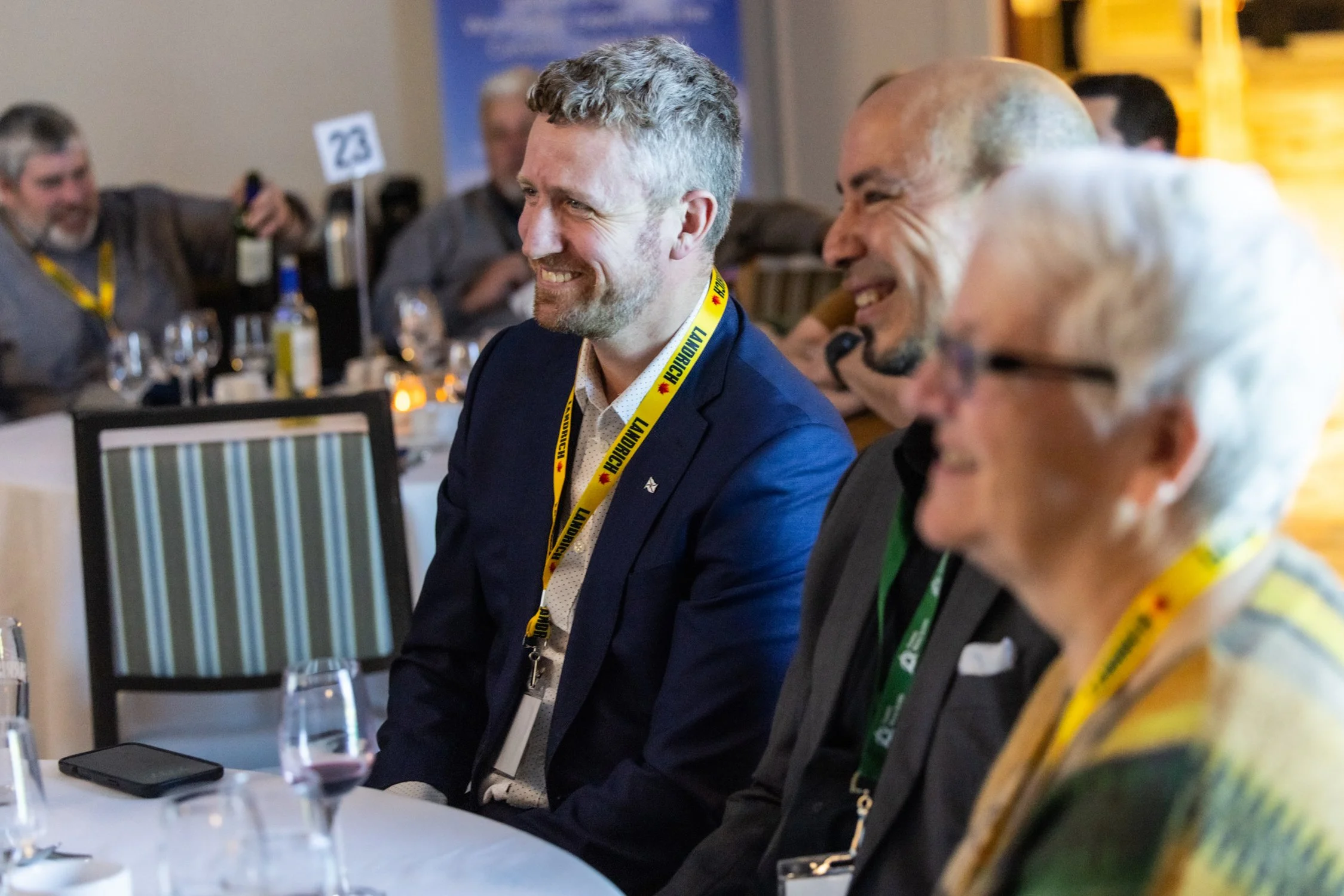
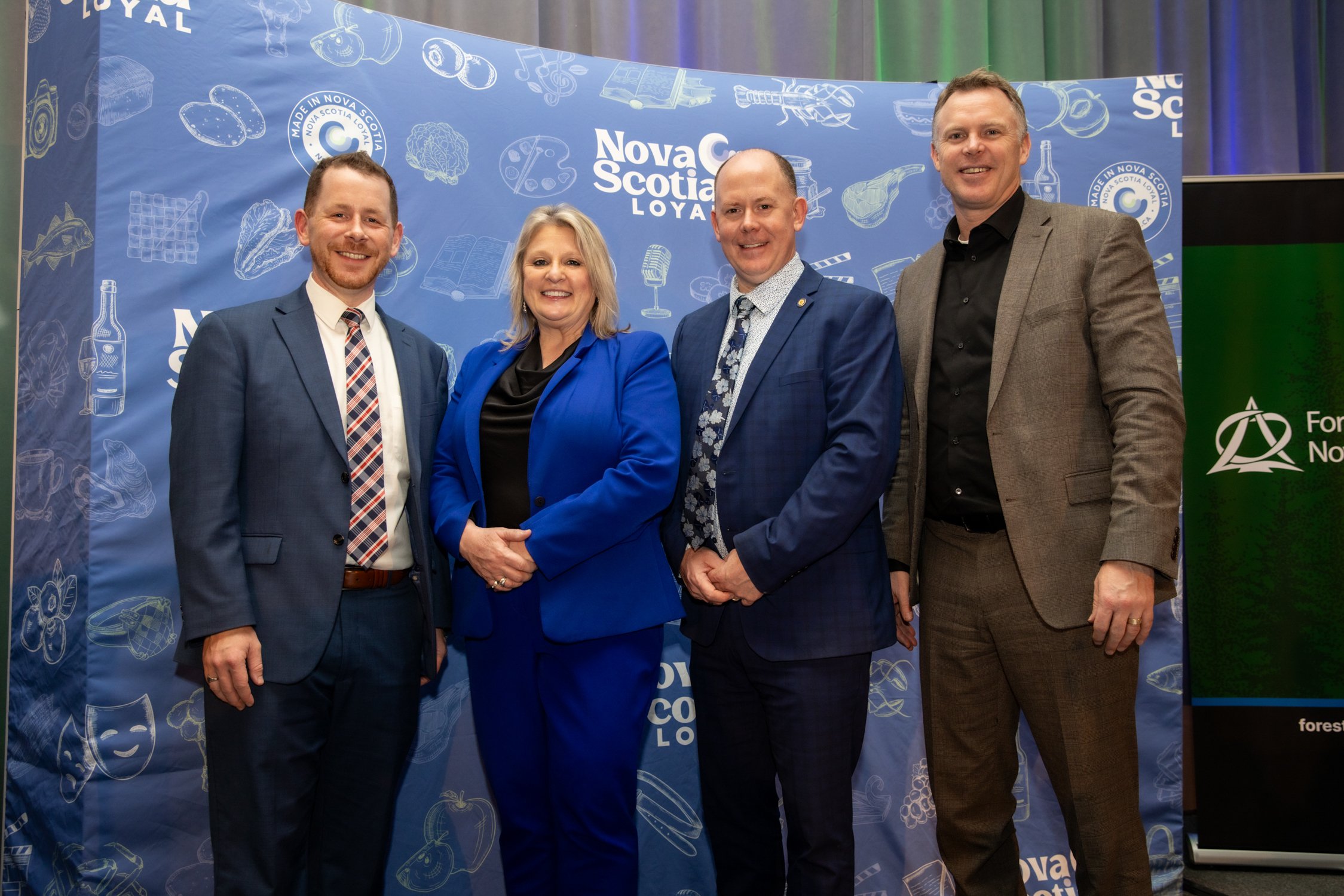
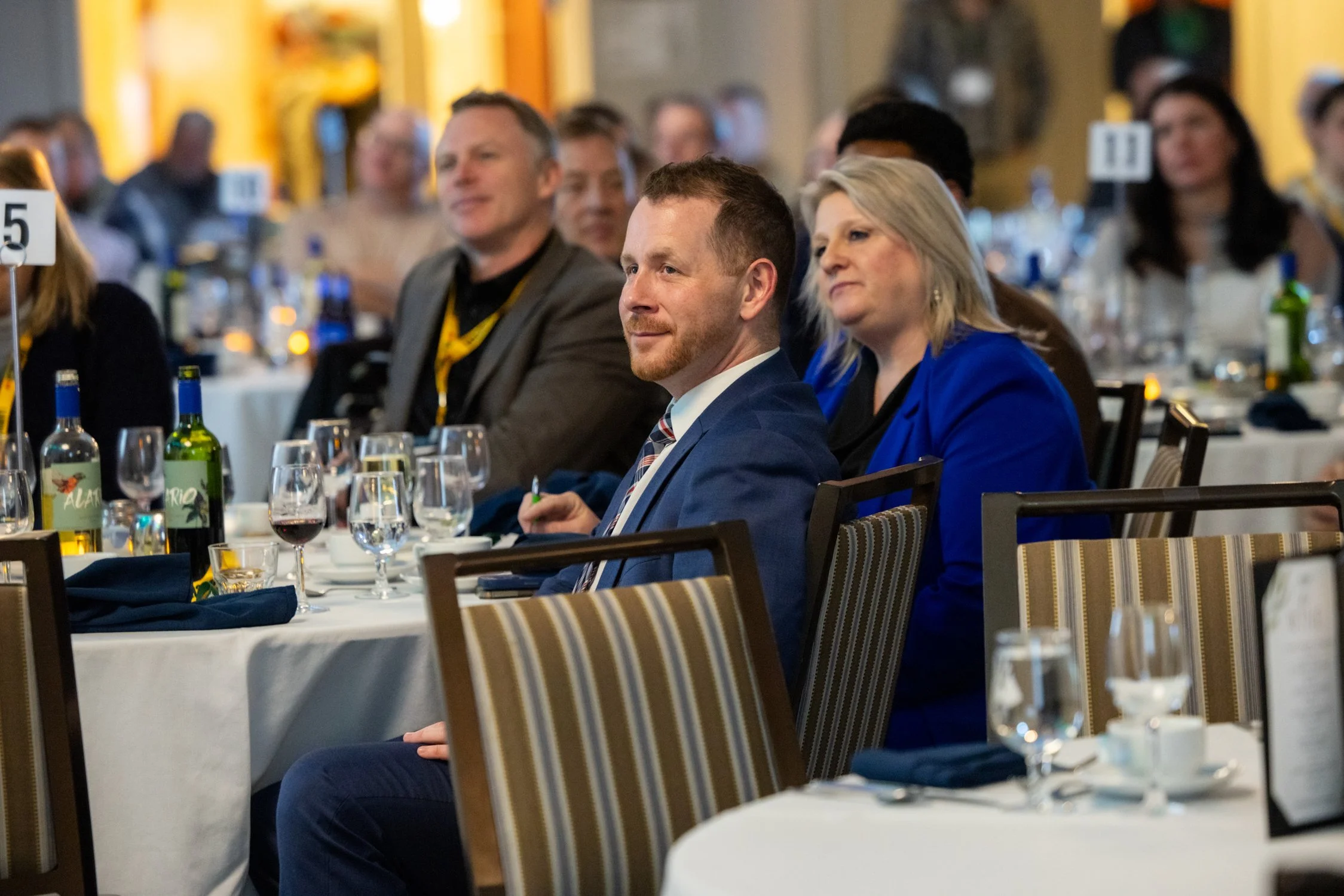
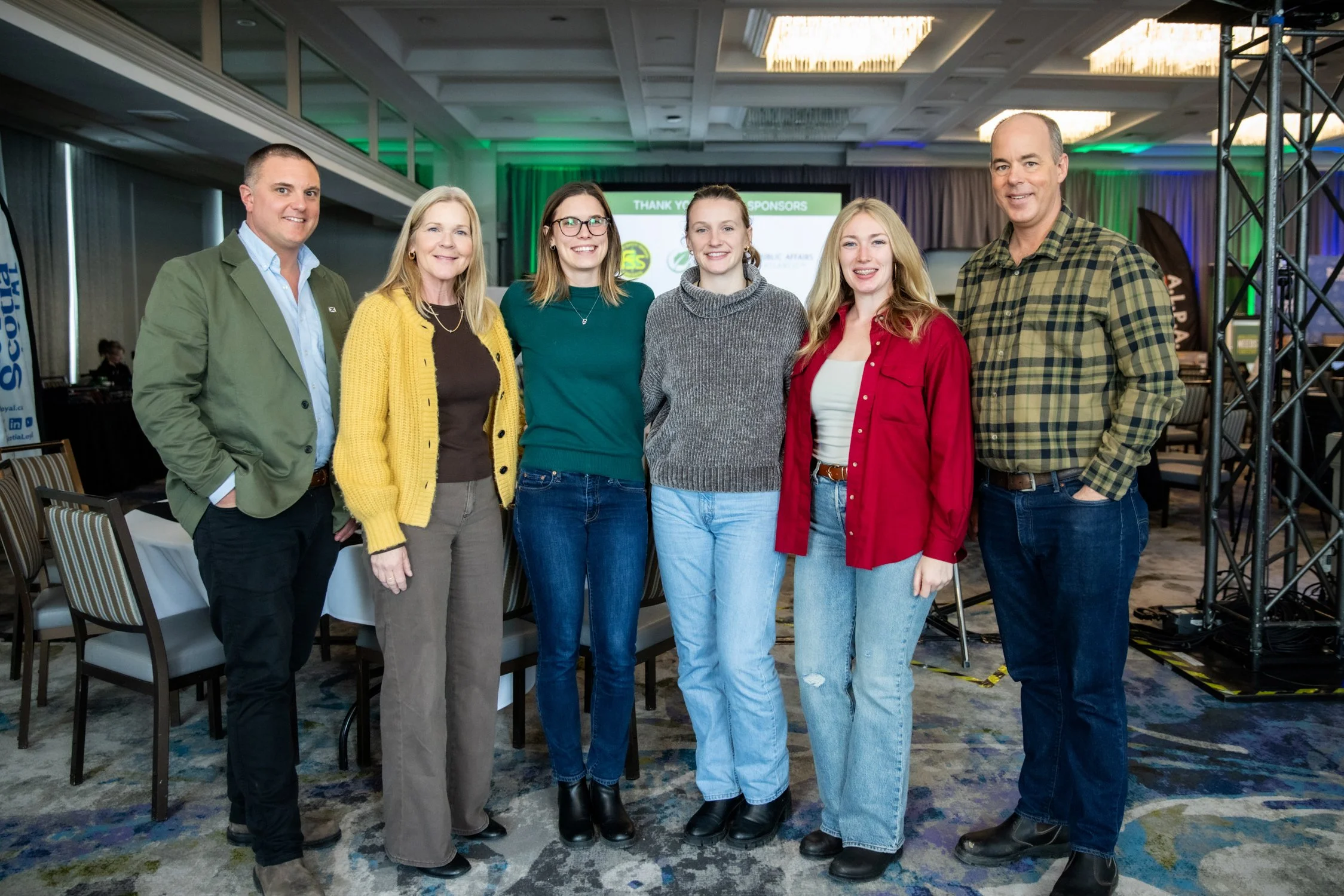
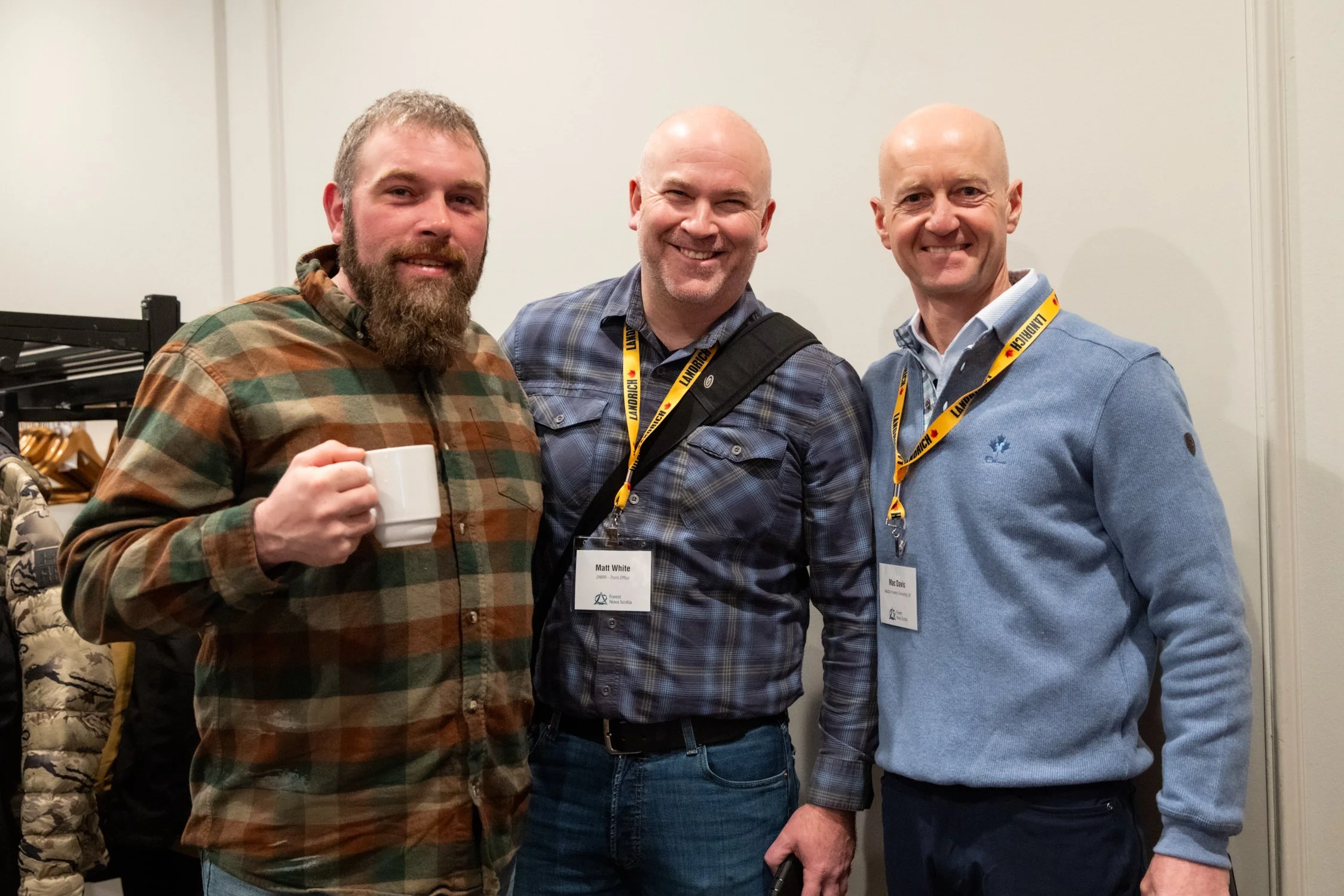
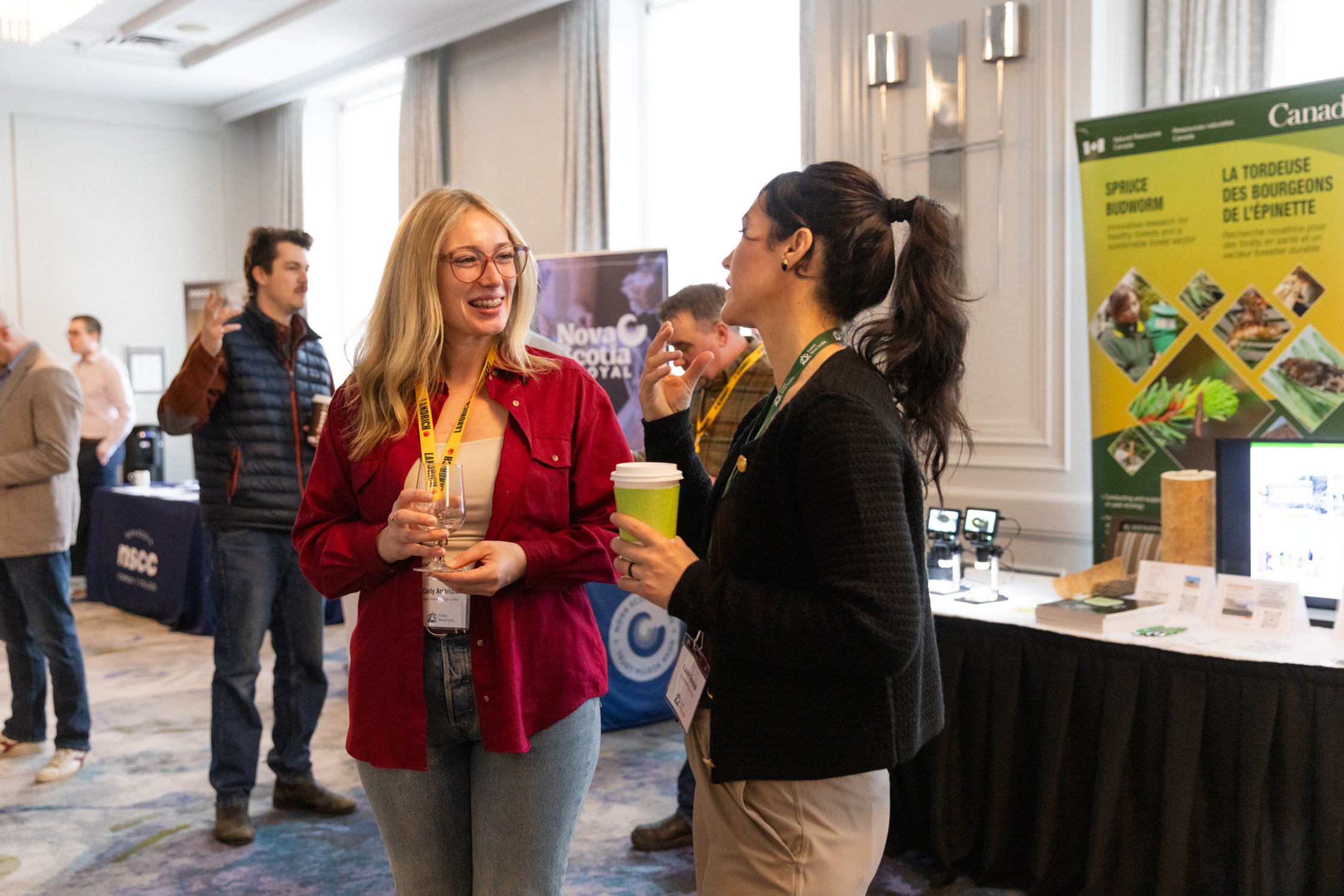
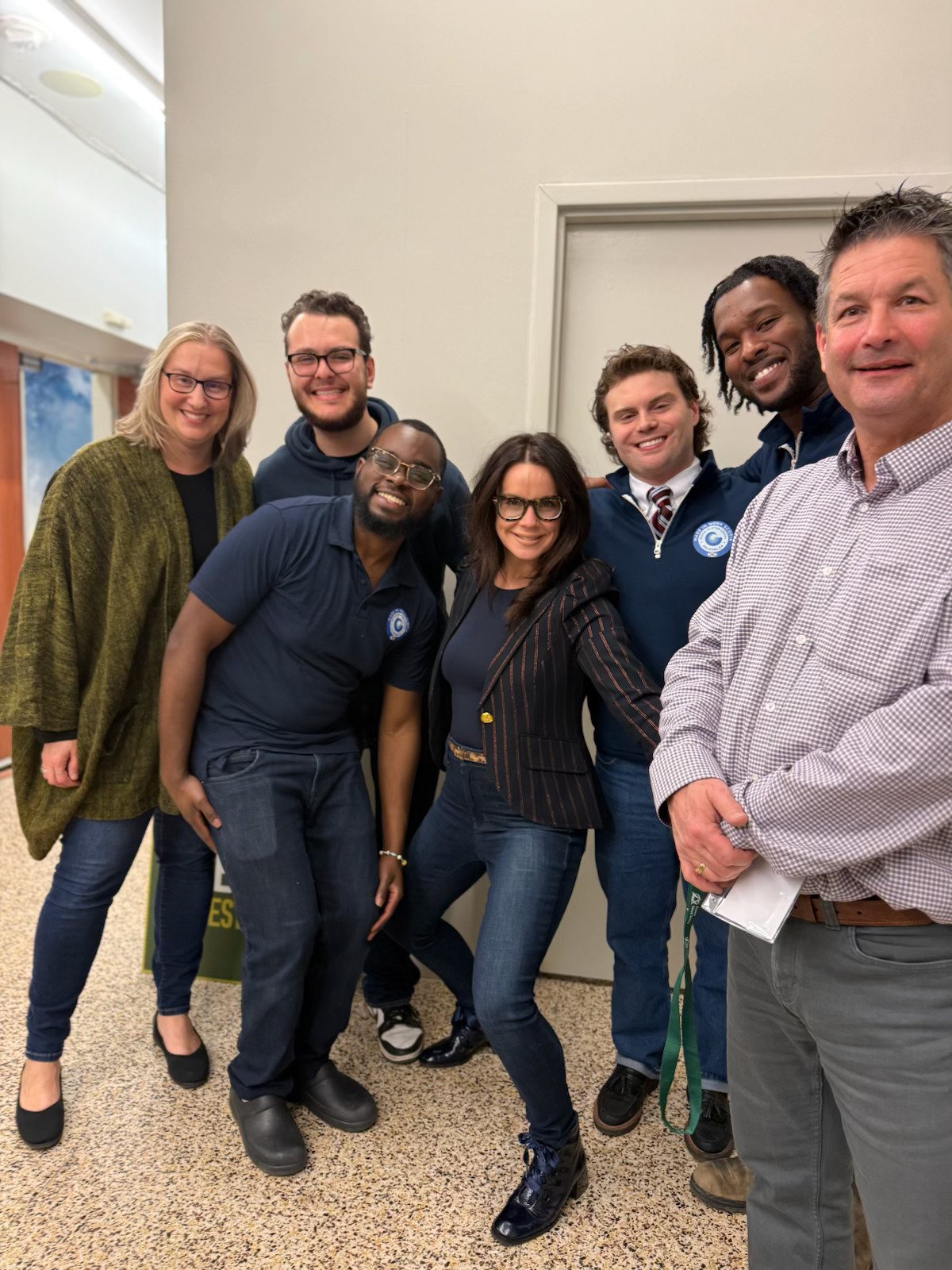

Thank you again to our sponsors:

Log A Load Fundraiser:

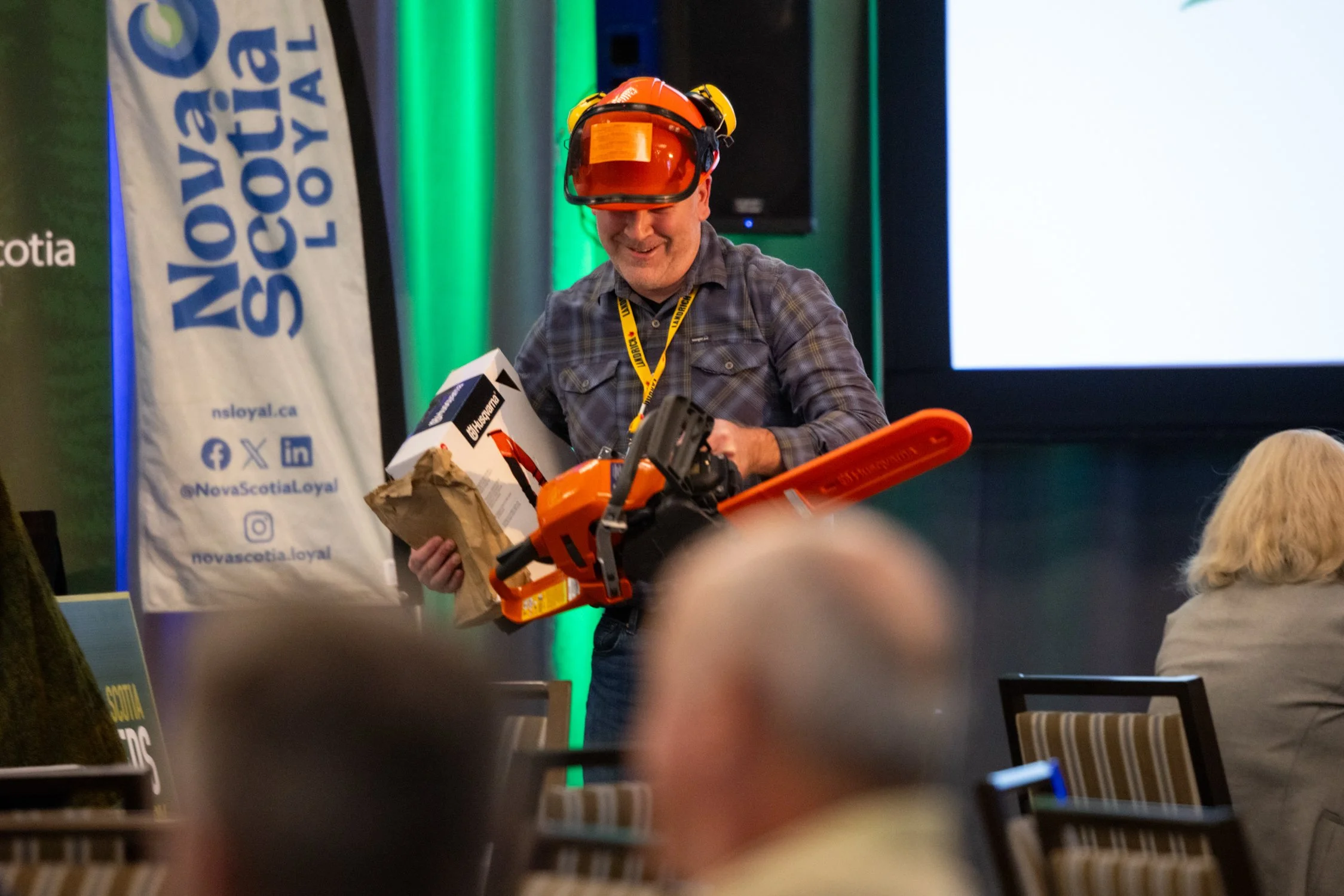
A heartfelt thank you to everyone who contributed to our Log A Load Prize Draw at this year’s AGM. Together, we raised $2,400 in support of children and families who rely on these essential services. Your generosity continues to make a real difference.
Log A Load for Kids is an annual campaign that began in 1988, when loggers and others in the forest products community generously donated the value of a load of logs to their local Children’s Miracle Network (CMN) Hospitals. The foundation’s mission is to raise funds to improve children’s health by supporting treatment, education, and research initiatives at CMN Hospitals and other local children's hospitals.